
Packing gets smarter with age. By our fifties and beyond, most of us have dragged an overstuffed bag through a cobblestone street or watched a favorite pair of shoes never leave the closet. We also know a lost suitcase is far more stressful when it holds something we can’t replace.
This list mixes airline rules, customs requirements and plain travel sense. Some items belong in your carry-on instead of your checked bag. Others simply don’t earn their space. Where an official rule applies, I’ve noted it. Check your own airline’s current policy before you fly, because carriers can be stricter than federal minimums.
1. Daily Medications in Checked Luggage

Pills and prescriptions belong in your carry-on, close to you. If your checked bag is delayed or lost, you could be without essential medicine at a destination where refills are hard to arrange. TSA says you don’t need to tell an officer about medication you’re traveling with unless it’s in liquid form[1].
Liquid medication is covered too. TSA allows liquid medication over 3.4 ounces in carry-on bags in reasonable quantities for a flight[1]. Pack a little extra for delays, but keep it all within reach.
2. Spare Lithium Batteries and Power Banks

This is one of the few rules where packing in the wrong bag is actually prohibited. The FAA says spare lithium-ion and lithium metal batteries, including power banks and phone charging cases, must go in carry-on baggage only[2]. The reasoning is that a fire in the cabin can be dealt with by crew, while a fire in the cargo hold can’t.
Size matters as well. The FAA limits rechargeable lithium-ion batteries to 100 watt hours per battery[2]. Larger spares in the 101 to 160 watt hour range need airline approval, and you can bring at most two of them[3]. The rating is usually printed on the battery itself.
3. E-Cigarettes and Vaping Devices
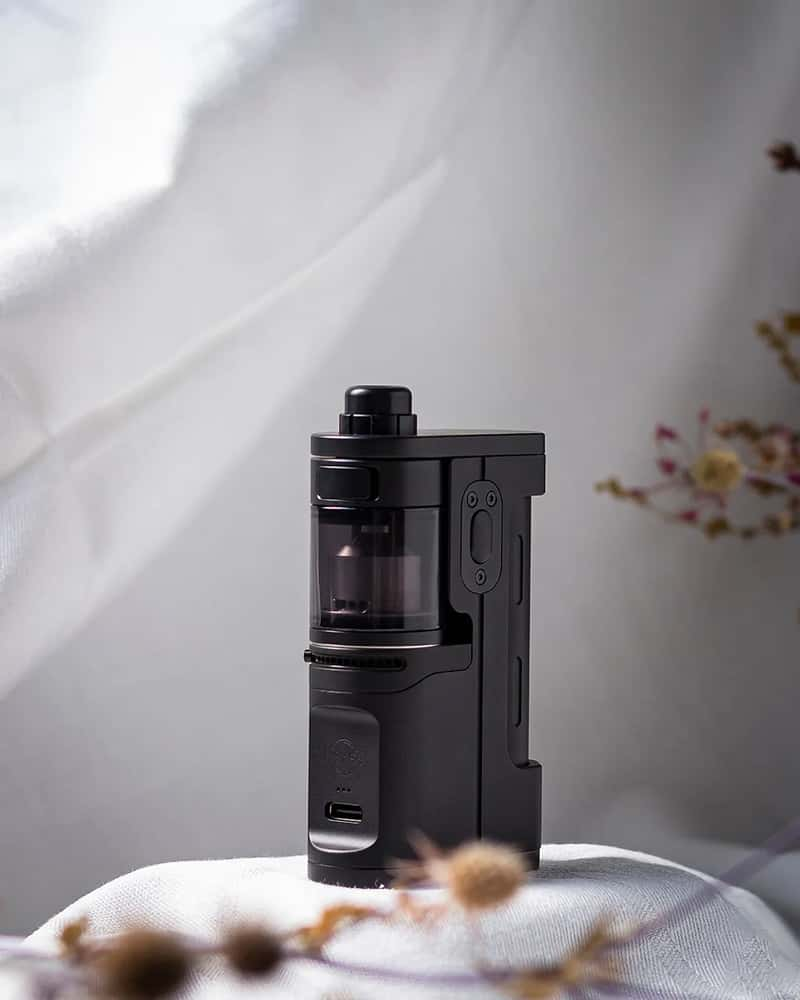
If you vape, the same fire logic applies. The FAA states that electronic cigarettes and vaping devices are prohibited in checked baggage[4]. They have to travel with you in the cabin.
The agency explains that cabin crew and passengers can mitigate smoke and fire incidents involving lithium batteries inside the aircraft cabin[4]. Keep the device protected from accidental activation in your bag. Airlines and destination countries may also have their own rules on vaping, so it’s worth checking before you leave.
4. Full-Size Toiletries in Your Carry-On
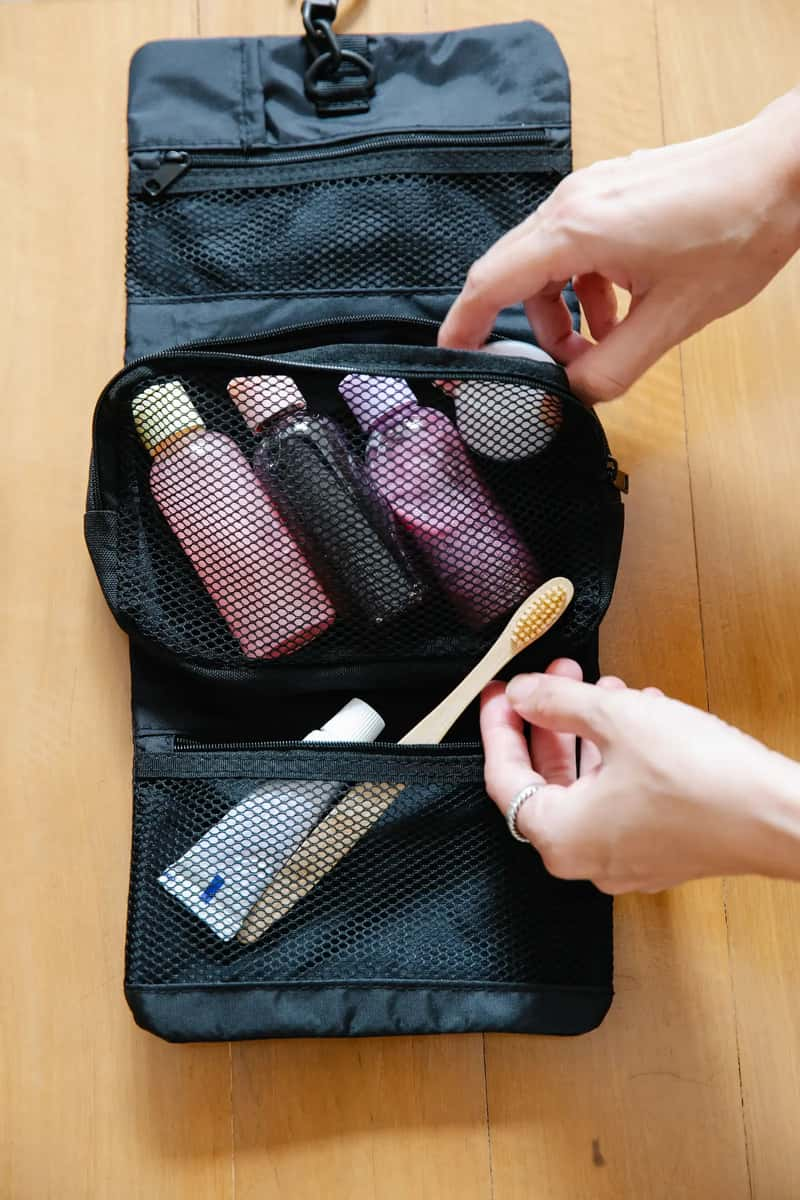
This one runs the other way. If you travel carry-on only, that big bottle of shampoo or moisturizer shouldn’t come along. The standard is still in force: each container may hold no more than 3.4 ounces, and all containers must fit in one quart-size bag per traveler[5]. TSA’s own shorthand is that anything you can spill, spread, spray, pump or pour above 3.4 ounces belongs in a checked bag[1].
Some travelers have heard the rule is going away. Certain airports with advanced CT scanners have relaxed it[6], but the federal standard hasn’t changed[5]. Container size is what counts, not how full it is, so TSA judges the size of the container, not what’s left inside[7]. Decant into small bottles or buy travel sizes at your destination.
5. A Suitcase You Can’t Comfortably Lift
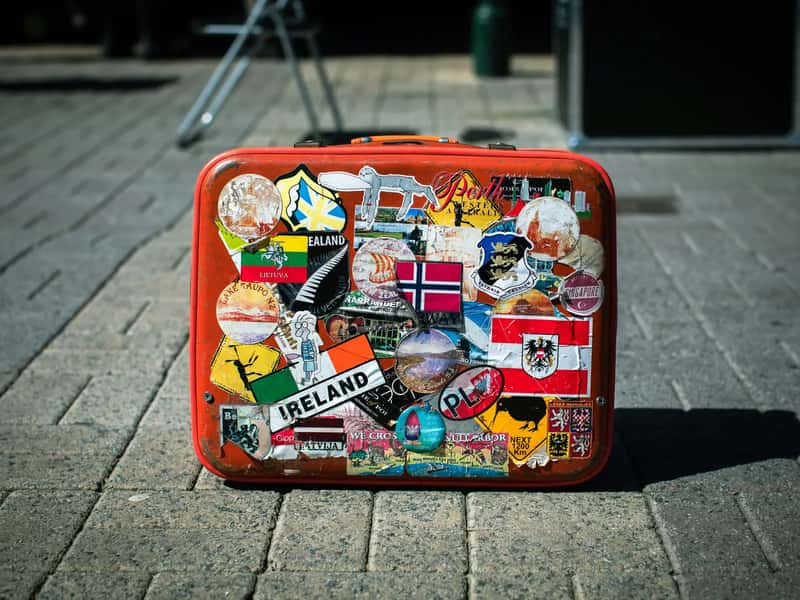
Many of us over-pack because we’re afraid of being caught without something. The cost shows up at the check-in counter and again at every staircase. The most common checked bag weight limit is 50 pounds, though it varies slightly by airline[8]. Some carriers are tighter, and Frontier charges extra from 41 to 50 pounds[9].
Going over is expensive. On several major US carriers, going one pound over can mean a $100 fee[10], and that fee applies in each direction. The suitcase itself eats into your allowance too. A large checked bag can weigh roughly 11 to 16 pounds empty[11], so a lightweight case is a smart investment.
6. Large Amounts of Cash You Haven’t Reported

Carrying cash is legal, but it comes with a reporting duty. There’s no limit on how much currency travelers may bring into or take out of the United States[12]. However, anyone carrying more than $10,000 in currency or monetary instruments must file a FinCEN Form 105 with CBP[13].
The threshold isn’t per person for families. It applies to the total amount a family or group carries together[14]. Failing to report, even by accident, can lead to seizure and forfeiture of all the cash you’re carrying[15]. For most trips, a bank card and a modest amount of local currency are safer.
7. Jewelry and Irreplaceable Valuables

Heirloom rings, your late mother’s necklace, and a good watch don’t need to go on vacation. Bags get delayed, opened, and occasionally lost. Hotel safes help, but the simplest protection is to leave the items at home.
If you do travel with a valuable foreign-made item, such as a watch, you can register it with CBP using a Certificate of Registration[16]. That helps avoid questions about where it came from when you return to the US. Keep anything you bring in your carry-on or on your person, not in checked luggage.
8. Your Only Copies of Important Documents
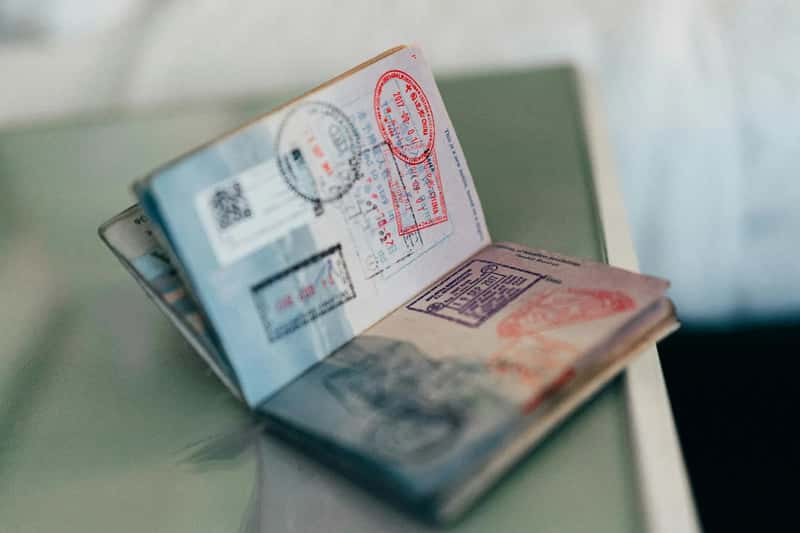
Passports, driver’s licenses, and travel insurance papers shouldn’t sit unprotected in a checked bag. You’ll need them at the airport, and replacing them abroad is slow and stressful. Carry the originals in a secure place on your body or in a personal item.
Always keep backups separate from the originals. Photos of your passport, insurance card, and itinerary stored on your phone and in a cloud account can save hours at an embassy or insurance office. A paper copy tucked into a different bag works as a second layer.
9. Too Many Pairs of Shoes
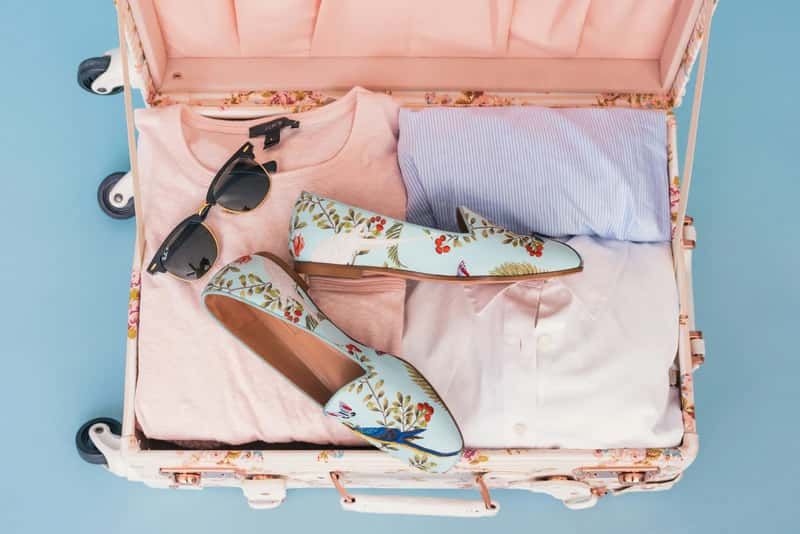
Shoes are bulky, heavy, and the usual reason a suitcase won’t close. Most of us wear the same two pairs for ninety percent of a trip. Three pairs is a sensible ceiling for many itineraries: one for walking, one for dinners, and one for the beach or the rain.
Wear your heaviest pair on the plane. Pack lighter shoes in cloth bags, and use the empty space inside each pair for socks or small items. Fewer shoes also means fewer blisters, since you’ll stick with the pairs you trust.
10. Brand-New, Unbroken-In Shoes
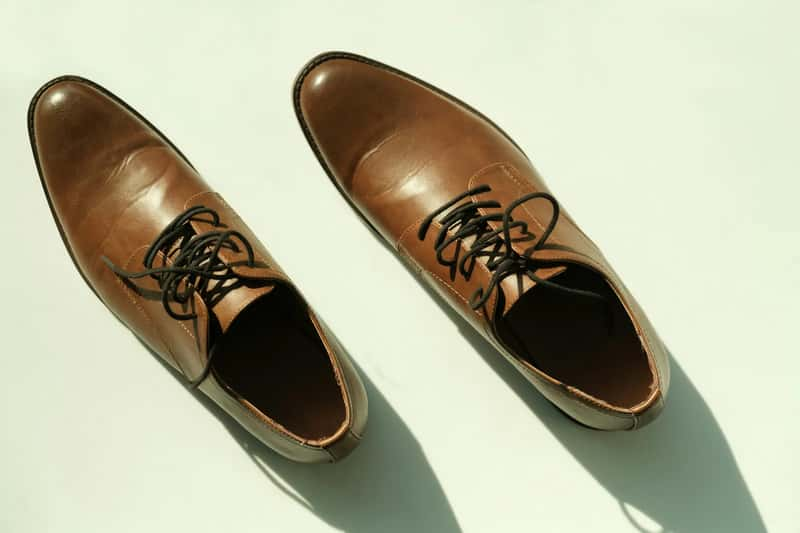
A trip is a poor time to test footwear. Long days of walking on unfamiliar surfaces can turn a stiff new pair into a source of blisters, sore arches, and sore knees. That matters more as our feet change with age and recovery slows down.
If you want new shoes for a trip, buy them weeks ahead. Wear them around the house, then on short walks, before they go in your suitcase. Make sure they have good support and a grip you trust on wet pavement.
11. Heavy Hardcover Books and Paper Guidebooks

A hardcover novel can weigh a pound or more, and three of them add up quickly against a 50-pound limit. A phone or e-reader holds a whole library at a fraction of the weight. Many guidebooks also have digital versions, and you can screenshot or download the pages you need.
If you love paper, bring one paperback and swap it at a hotel or hostel book exchange when you finish. Tear out or photograph the guidebook chapters you need. Your back will notice the difference.
12. Heavy, Bulky Fabrics
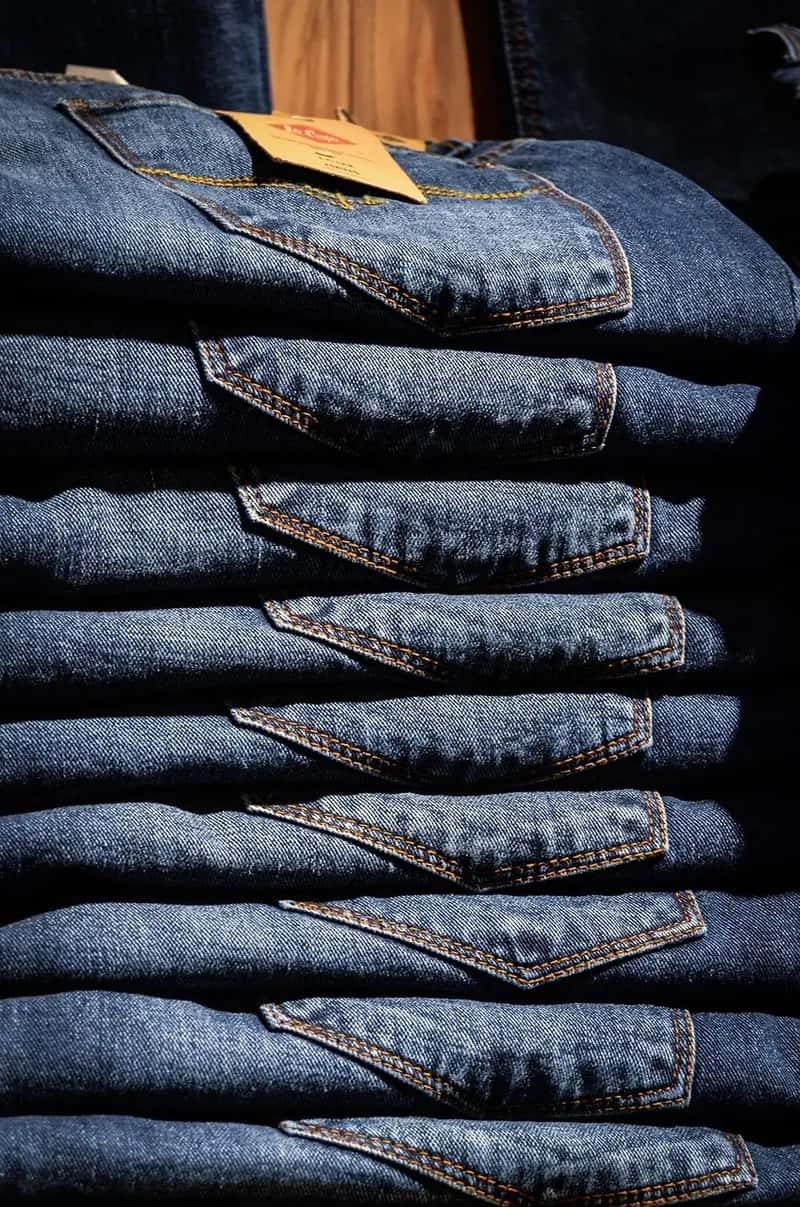
Thick jeans, chunky sweaters, and heavy cotton towels take up a surprising share of a bag. They’re also slow to dry if you wash them in a sink. Lightweight layers made of fabrics that dry quickly give you more options with less bulk.
Pack a few pieces that mix and match, and wear the bulkiest item on the plane. A light scarf or packable jacket handles most temperature swings. Check the forecast, but plan on doing a small wash mid-trip rather than packing a fresh outfit for every day.
13. Dry-Clean-Only and Wrinkle-Prone Clothes
Linen shirts, delicate blouses, and structured blazers often arrive looking like they slept in the suitcase. Dry cleaning on the road is expensive and takes time you might not have. They’re a poor fit for a trip where laundry has to be quick and easy.
Choose wrinkle-resistant, machine-washable pieces, and test them at home first. Hang clothes in the bathroom during a hot shower to relax creases. If you must bring something dressy, roll it or fold it carefully in a garment bag.
14. Hair Dryers and Bulky Appliances
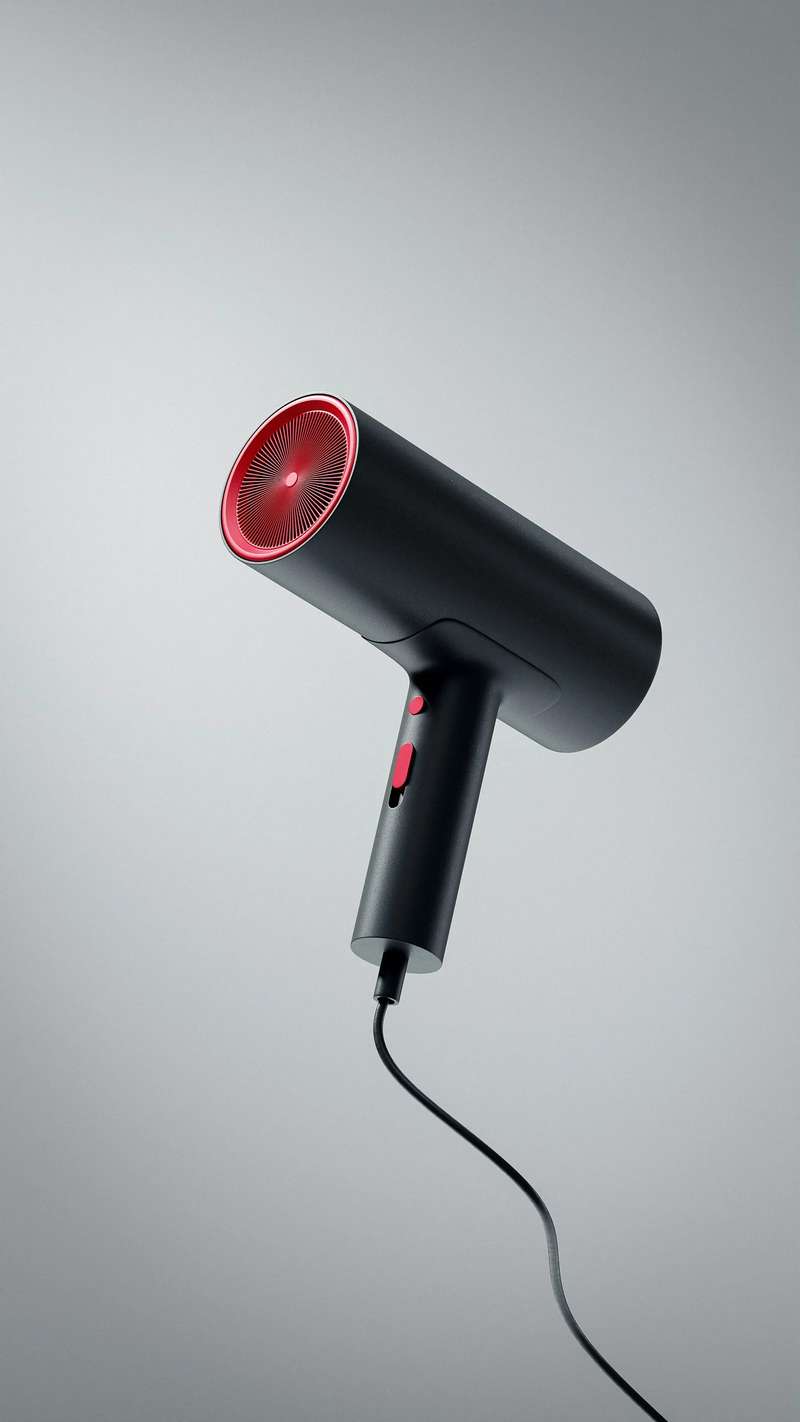
Many hotels and rentals provide a hair dryer, so a heavy one in your suitcase can be wasted space. Voltage differences can also be a problem abroad. Some home appliances can be damaged or can trip a circuit if they aren’t built for the local electricity supply.
Confirm with your accommodation before you leave. If you rely on a particular styling tool, look for a compact dual-voltage model. Otherwise, leave irons, kettles, and large curling tools at home.
15. Pills Dumped Into Unlabeled Containers

A weekly pill organizer is handy, but it shouldn’t be your only form of medication. If officials or medical staff ask what you’re taking, unmarked pills are hard to explain. Replacing them abroad is also harder if the label and dosage are missing.
One travel guide advises keeping medications in their original pharmacy-labeled containers when possible[17]. It also suggests carrying a copy of the prescription or a doctor’s note for quantities that might appear unusually large[17]. A short list of your medications and generic names on your phone is a useful backup.
16. Single-Use Gadgets and Tangles of Cords
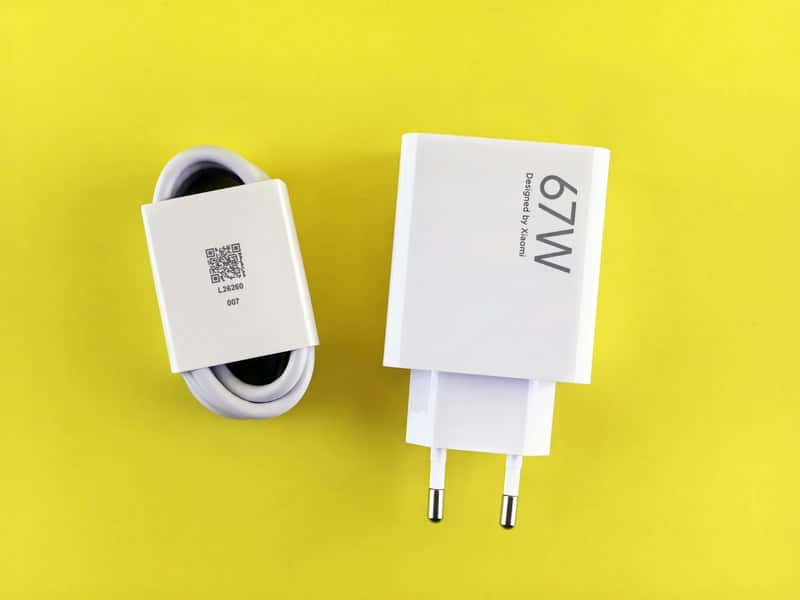
A bag full of chargers, adapters, and gadgets you’ll use once is dead weight. Many of us pack a separate charger for every device. Today a single multi-port charger and one good cable type can cover a phone, tablet, and e-reader.
Take stock before you pack. If a gadget doesn’t solve a real problem on this trip, leave it behind. Keep cords in a small pouch so they don’t tangle, and remember that spare batteries and power banks must ride in your carry-on.
Packing well after fifty isn’t about deprivation. It’s about knowing which items protect your health and safety, which ones cause trouble at security or customs, and which ones just add weight. Once you sort the list into carry-on essentials, checked-bag items, and things to leave at home, the suitcase gets lighter and the trip gets easier.
The best travelers I know share one habit: they pack for the trip they’re actually taking, not the one they’re afraid of. Before you zip the bag, lift it once and ask whether you’d happily carry it up a flight of stairs. If you wouldn’t, something has to come out.