Watch a gate area during a tight connection and everyone looks the same: eyes on the board, phones up, hoping. The seasoned flyers look calm because their real work happened at the booking screen and in their airplane seat.
Airlines can sell a domestic connection as short as 30 minutes at some airports, and one miss can cost a hotel night or a new ticket. The habits below start with a phone setting most people skip, and the last one is a ten-second check that decides whether the airline owes you a seat or you’re buying one.
#19 – Switch On Gate-Change Alerts Before Boarding
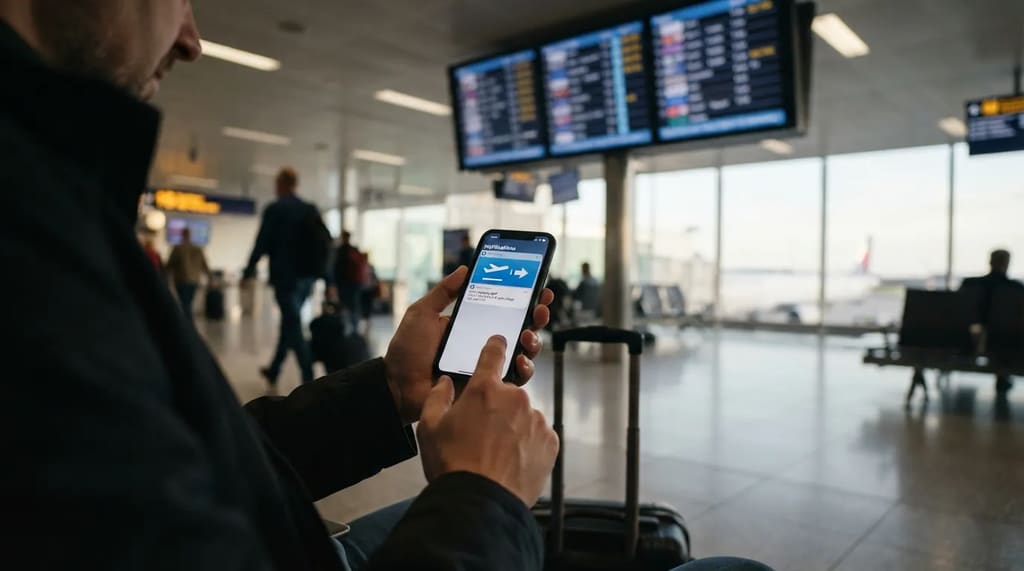
Your gate can change while you’re still in the air, and the airport screen is rarely the first to know.
Airline apps usually push gate changes and boarding calls faster than the boards do, so turn on push notifications before you board. Travel guides also advise confirming your next gate before you deplane.
If the plane has Wi-Fi, check from your seat. If it doesn’t, check the second you land, before you stand up.
A gate number is only half the answer, because it doesn’t tell you whether the walk takes two minutes or twenty.
#18 – Study the Route Between Your Two Gates
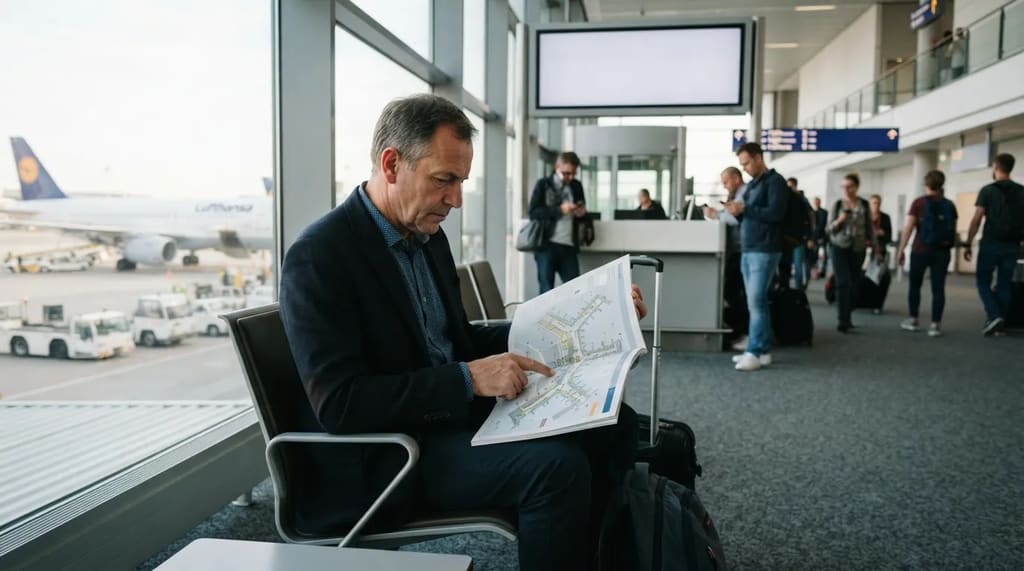
At a big airport, the letter on your gate can mean a different terminal altogether. That’s why experienced flyers look up a map of the next airport before takeoff or during the flight.
The airline app tells you the gate, while the airport’s own app shows how to get there fast. Know the route from your arrival gate to your departure gate before you land.
If you have to change terminals, follow the transfer signs immediately. Save the shops and the restroom for after you’ve seen your gate.
The map, the gate alert and your boarding pass all live on one device, and its battery is the weakest link.
#17 – Charge the Phone and Carry a Paper Backup
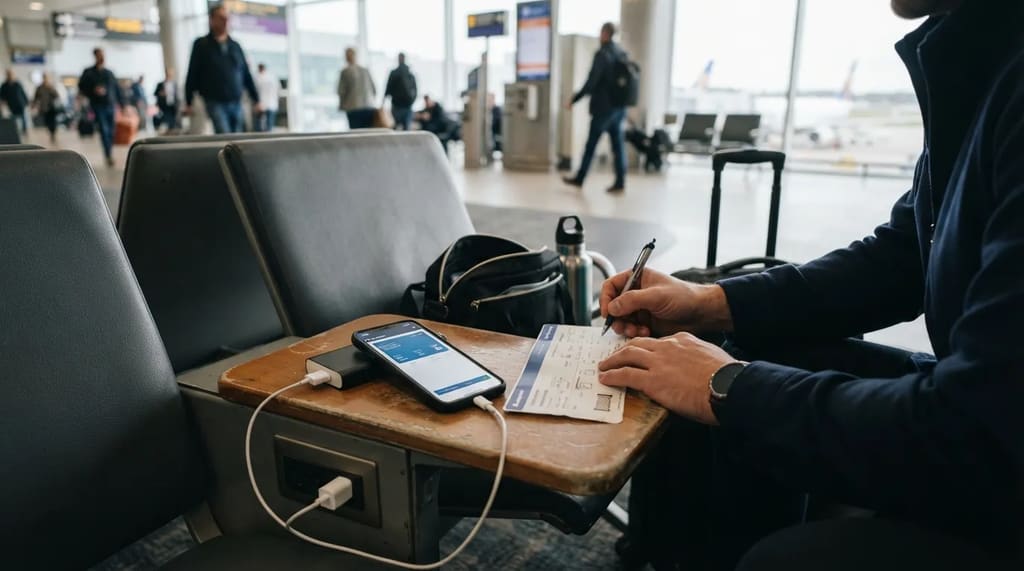
A dying phone takes your boarding pass, your gate alerts and your airline app down with it. A digital pass is faster to scan, so the phone is worth protecting.
Charge to full before you land, and carry a paper boarding pass as backup. Kiosks and gate desks can usually print one, which matters most when you’re rebooked and a new pass is issued.
A small battery pack in your personal bag covers the gap when every gate outlet is taken. If your airline offers it, add the pass to your phone’s wallet, which can usually open without a signal.
Phone sorted, there’s one choice that pays off before you even leave the ground: where you sit on the first plane.
#16 – Choose a Seat Near the Front
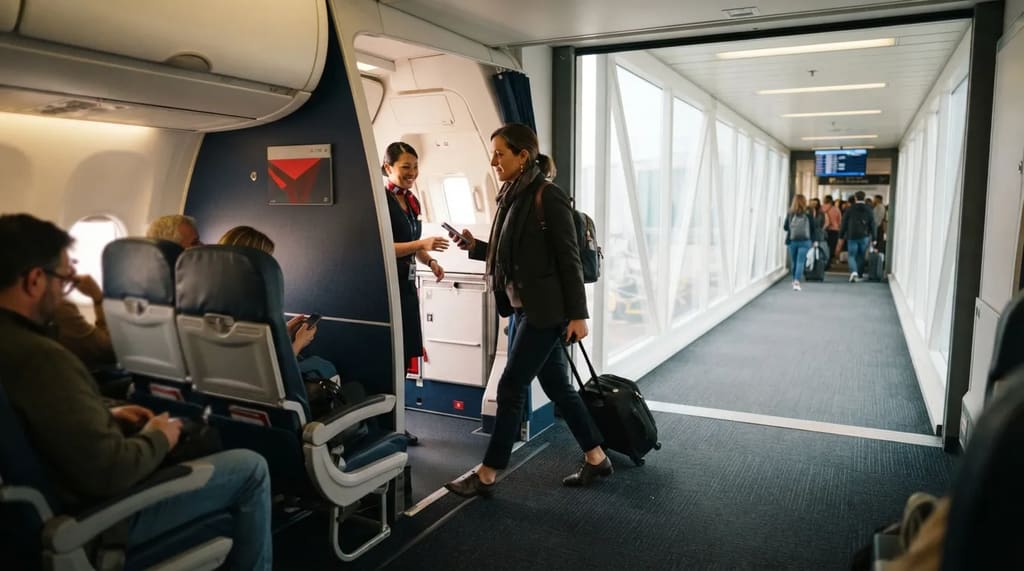
Where you sit on the first flight decides how soon you reach the jet bridge. Front seats get you off sooner, and an aisle seat means you aren’t waiting on a row-mate.
On a one-hour connection, that matters.
Fast Facts
- Airlines typically close the boarding door 10 to 15 minutes before departure.
- Every row behind you eats into the minutes you have left.
- An aisle seat means no waiting on a row-mate to stand up.
If seat selection costs extra, compare the fee with the cost of missing the connection. On a tight connection, pay for a front seat if you have to.
A good seat only helps if you land on time, and for the days you don’t, there’s a one-sentence move that costs nothing.
#15 – Tell a Flight Attendant About the Tight Connection
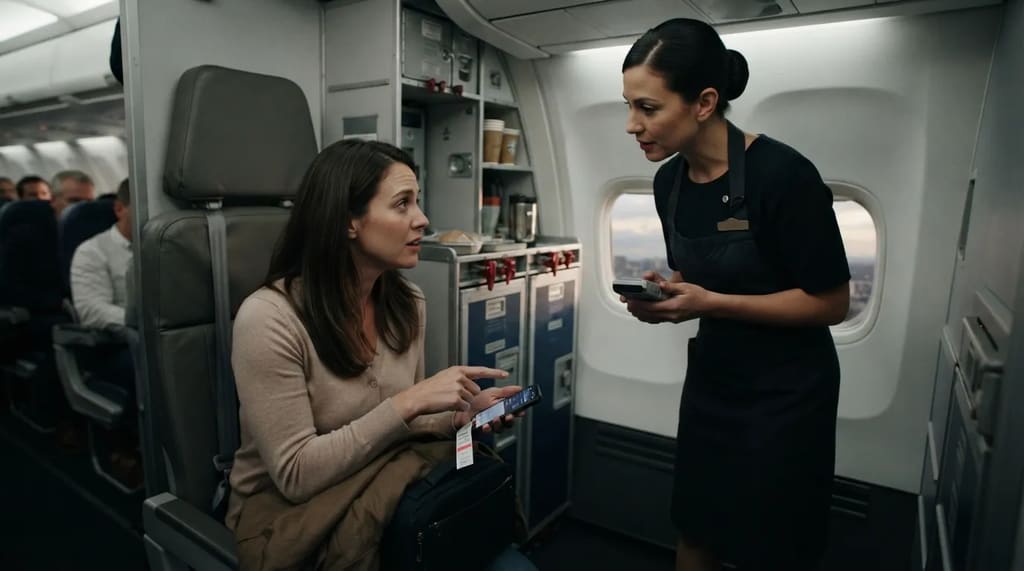
It costs one sentence. If your connection is going to be tight, tell a flight attendant before landing, because they can sometimes radio ahead.
Ask before the final descent, with your connecting flight number and gate in hand. The word ‘sometimes’ matters, because airlines often won’t hold a connecting flight for a late passenger.
Treat the request as a bonus, and keep moving as if no one is holding the plane.
When the door finally opens, the pull toward coffee and a restroom is strong, and that’s where connections start to slip.
#14 – Walk to the Gate Before Anything Else
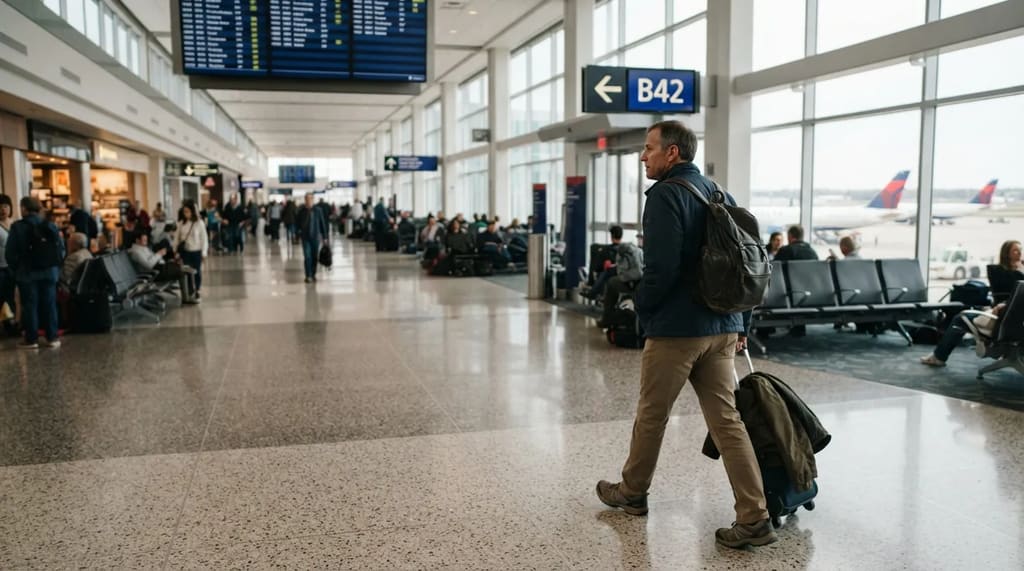
Coffee can wait until you’ve seen your gate with your own eyes. Head straight there, and check the departure boards to confirm the number.
Once you arrive, you know how long the walk took and how much time is left. Then use the restroom near that gate instead of one you pass on the way.
Confirm the gate in person, then spend whatever time is left. That order turns spare minutes into a snack, and the other order turns them into a sprint.
What you carry on that walk matters too, especially the things no gate shop can replace.
#13 – Keep Medications in the Bag That Stays With You
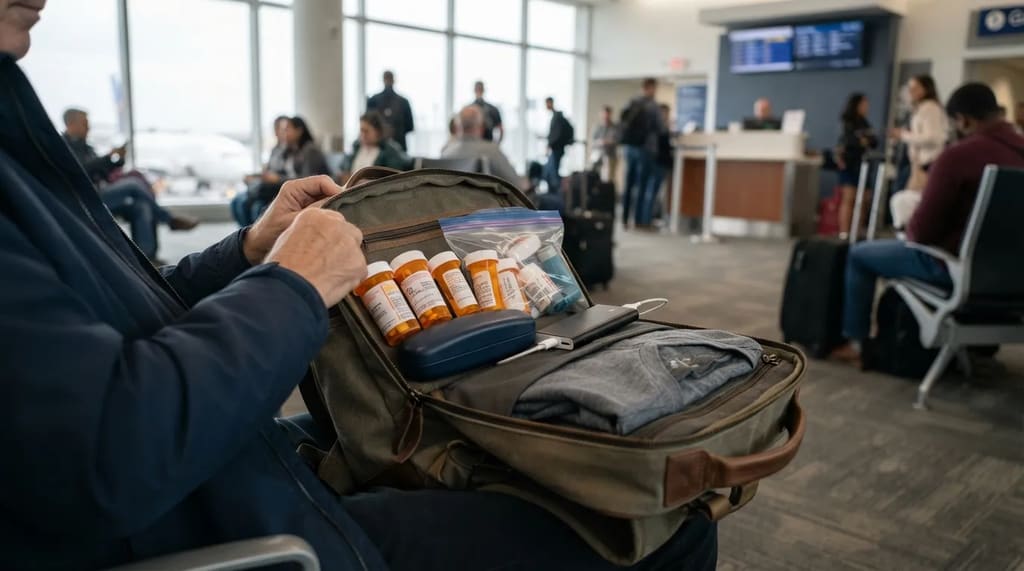
A checked bag needs time to move between planes, and short connections make delays more likely. So keep medications, a charger and a change of clothes in your carry-on.
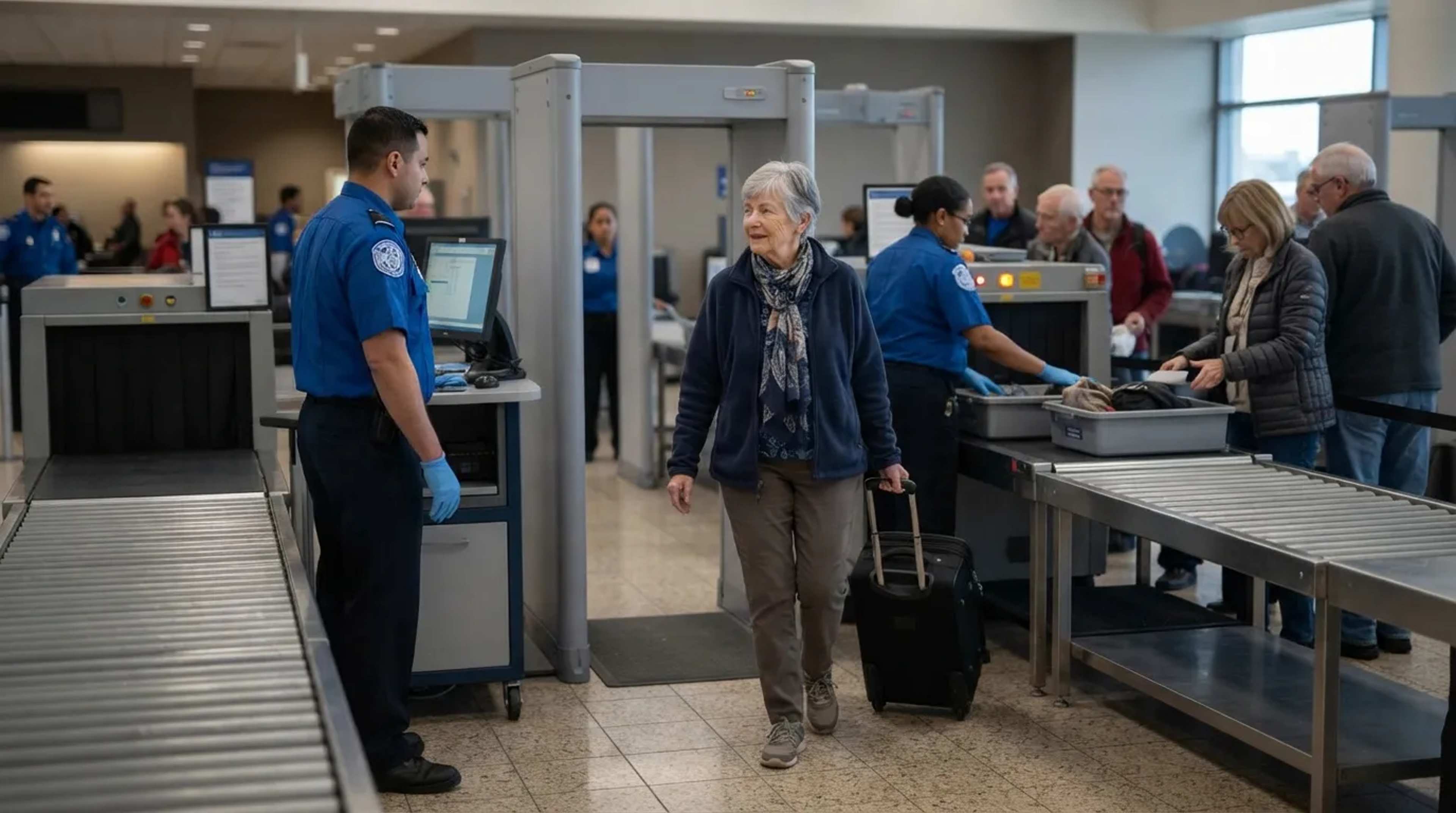
Add glasses and any documents you’d need if a suitcase goes missing. Medications are exempt from the 3.4-ounce liquid limit, but you need to declare them at screening.1
Some travelers face another problem, the distance itself, and the help for that is free.
#12 – Ask for Wheelchair or Cart Help Before You Land
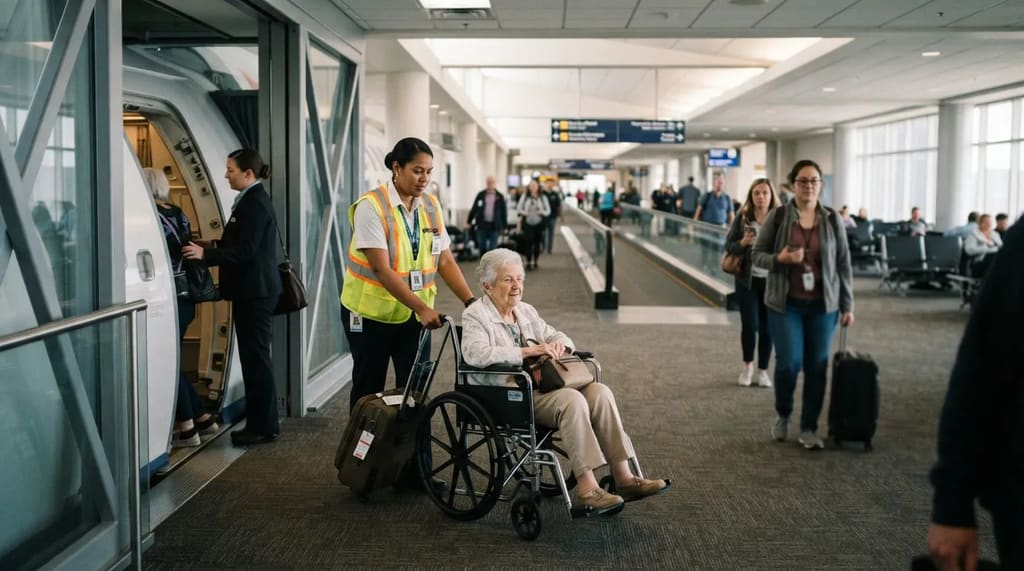
U.S. airlines don’t charge for wheelchair assistance, and a long connection is where it helps most.2 It’s for anyone who can’t comfortably cover a long walk in limited time, not only those who can’t walk at all.
Ask when you book, or mention it to the flight attendant when you raise the tight connection. Ask before you land, so someone is waiting when the door opens.
Staff can meet the aircraft and take you to your next gate, even across a terminal change. Build in a few minutes for the handoff.
Other perks can shorten the same trip, if your ticket or card already includes them.
#11 – Skip the Lounge on a Short Layover
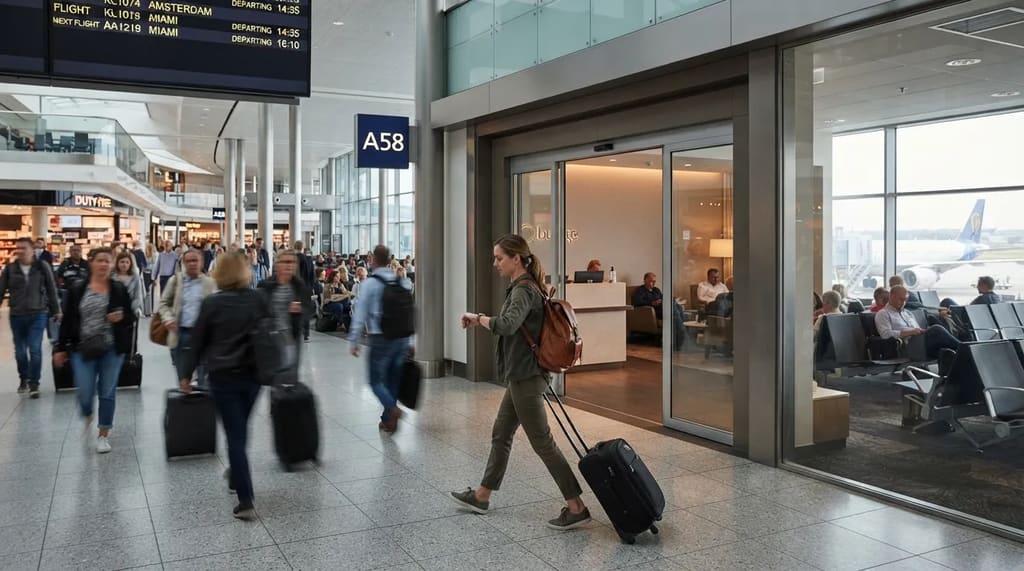
A lounge day pass is a poor buy on a short connection. Once you’ve deplaned, walked to the gate and allowed for boarding, there’s little time left to enjoy it.
On a long layover, a lounge can be worth the money. That’s a different decision with a different clock.
Business class passengers, elite status holders and some credit card holders can qualify for fast-track security. Check what your ticket, status or card already includes before you land.
Worth Knowing
- Short connection: the walk and boarding window leave almost no lounge time.
- Long layover: a day pass can pay off because the clock is different.
- Perks you may already own: fast-track security through a premium ticket, status or card.
Long layovers have a trap of their own, and it’s arithmetic.
#10 – Count the Real Hours in a Long Layover
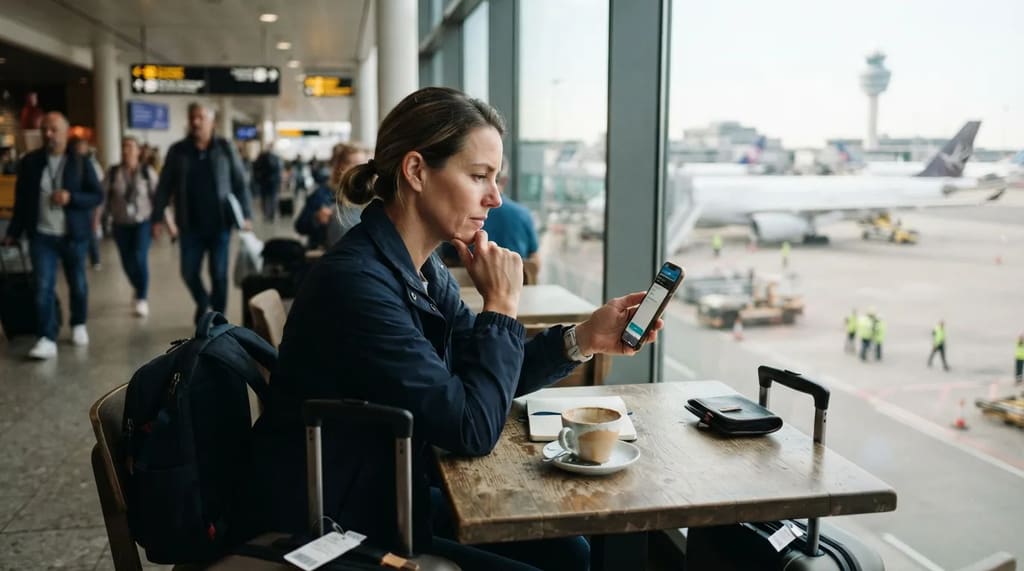
Six hours sounds generous. It isn’t.
One common rule of thumb says a 6-hour layover leaves about 3 to 4 usable hours outside the terminal, once you count leaving, returning and clearing security again. Plan on 3 to 4 usable hours out of 6.
Before you head back to security, check your gate and departure status one more time. Gates shift even after a long wait.
Step outside the terminal in another country, and a different set of paperwork applies.
#9 – Check Transit Visa Rules at Booking
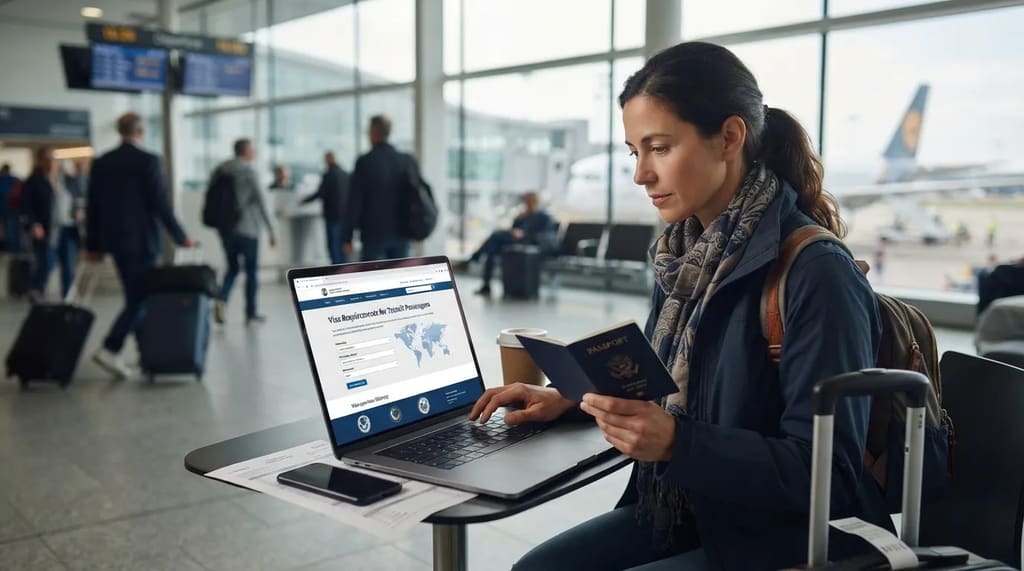
Entry rules vary by country, and some require approvals even for a short stop. Skip the check and you risk denied boarding or a missed flight.
Do it when you book, not at the departure gate, because that’s when you still have time to apply. Check transit and entry rules for every country on your itinerary.
The rules depend on your passport, the airport and whether you stay airside. Use the official government site of the country you’re passing through.
With the paperwork settled, a different question takes over when the delay isn’t your doing: who pays.
#8 – Ask What Caused the Delay
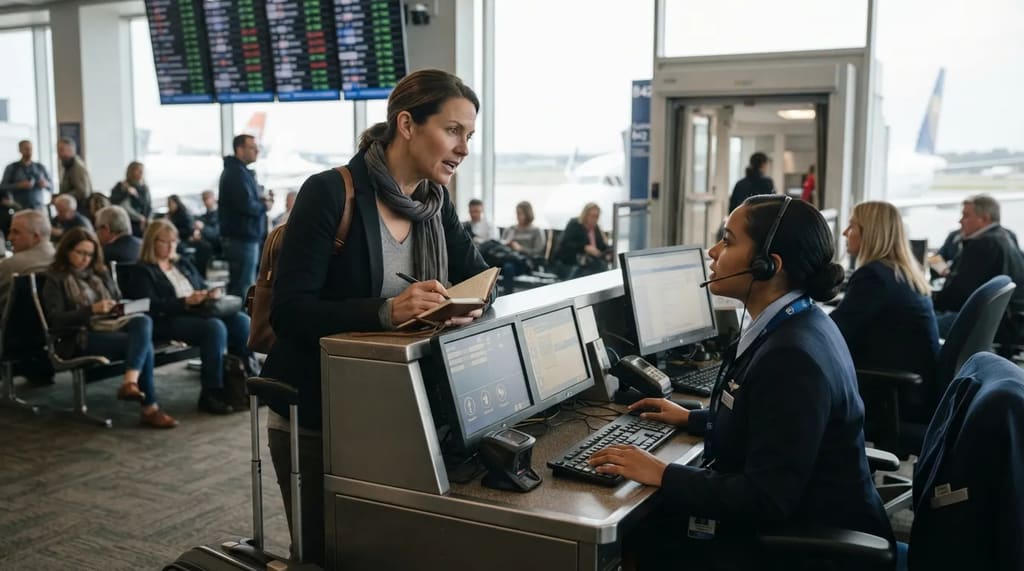
What an airline owes you depends on why the trip went wrong. When the airline causes the miss, through delay, cancellation or mismanagement, you’re generally rebooked at no charge on the next available flight.3
Weather changes the answer. If a snowstorm caused it, the airline will rebook you but likely won’t pay for the hotel.
Meal and hotel policies vary by airline, and the cause the agent records shapes what you can reasonably ask for. Ask the agent to state the cause of the delay before you ask for a hotel.
Knowing what you’re owed only helps if you reach an agent first, and the rest of your flight is chasing the same seats.
#7 – Start Rebooking Before You Reach the Desk
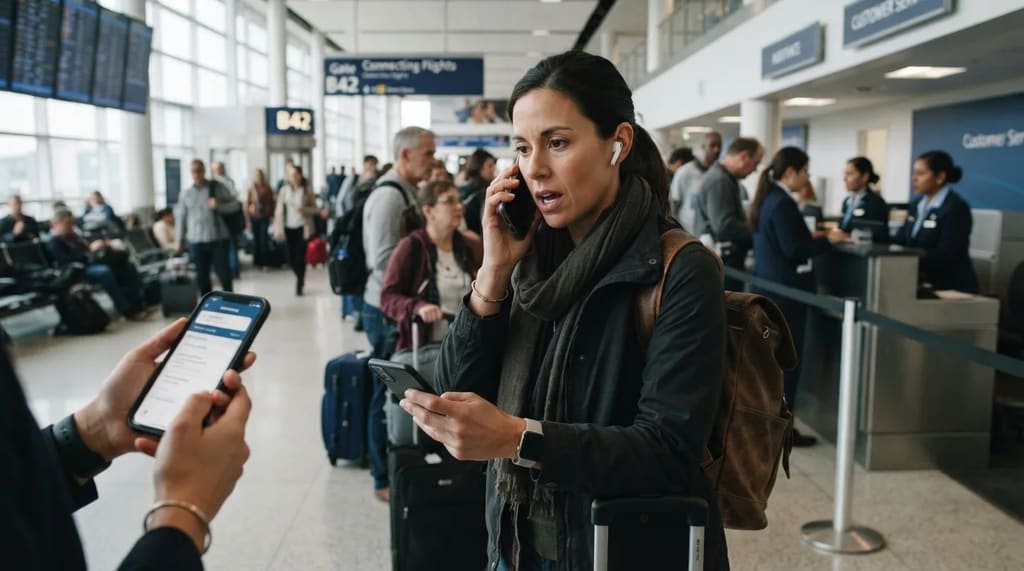
When a whole planeload misses the same connection, the seats on the next departure don’t multiply. The order in which you act matters.
Use the app, call the airline’s reservations line and hold your place in the gate-desk line, all at once. Work the app, the phone and the line at the same time.
Standing silently in one line lets the slowest channel decide your evening. On a single ticket, ask about partner airlines too, since some carriers can rebook you through interline agreements.
Once you’re rebooked, your suitcase may not be traveling the way you are.
#6 – Ask Where Your Bag Is Actually Headed
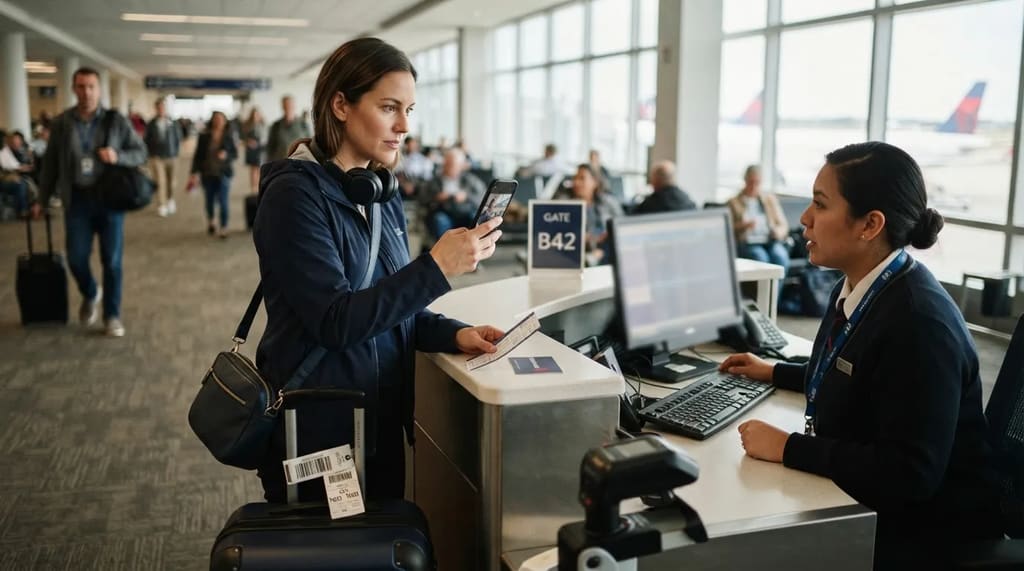
Bags are typically checked through on a single itinerary, but you’ll need to recheck them if you booked separately. It’s easy to guess wrong.
If you check a bag, confirm with the gate agent whether it goes to your final destination or you must reclaim it en route. Ask directly: is my bag checked to my final destination?
Arriving in the U.S. from abroad, you must claim your bags at your first U.S. airport and recheck them, whatever the tag says.4 5 That changes how much time the connection needs.
Anything you buy between flights has its own rule, and a sealed bag doesn’t fully solve it.
#5 – Think Twice About Duty-Free Liquids on a Connection
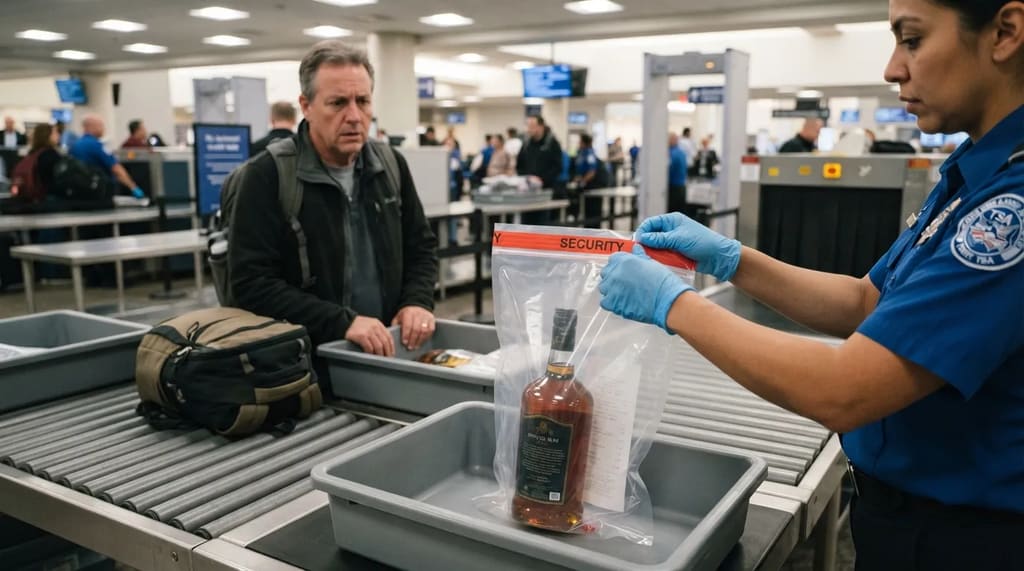
A liter of duty-free spirits is a poor buy if another security checkpoint stands between you and home. Liquids over 3.4 ounces are normally allowed on a connecting flight in a sealed, tamper-evident bag with the receipt visible, but TSA can still re-screen them.1 6
TSA recommends packing duty-free items in checked luggage if you connect through another security checkpoint.6 Never open the sealed bag, and keep the receipt visible.
The easier fix is to buy at the airport where your final flight departs, after the last screening. Then the question never comes up.
That re-screening is also why one kind of connection needs far more time than the schedule suggests.
#4 – Give Yourself Three Hours After an International Arrival
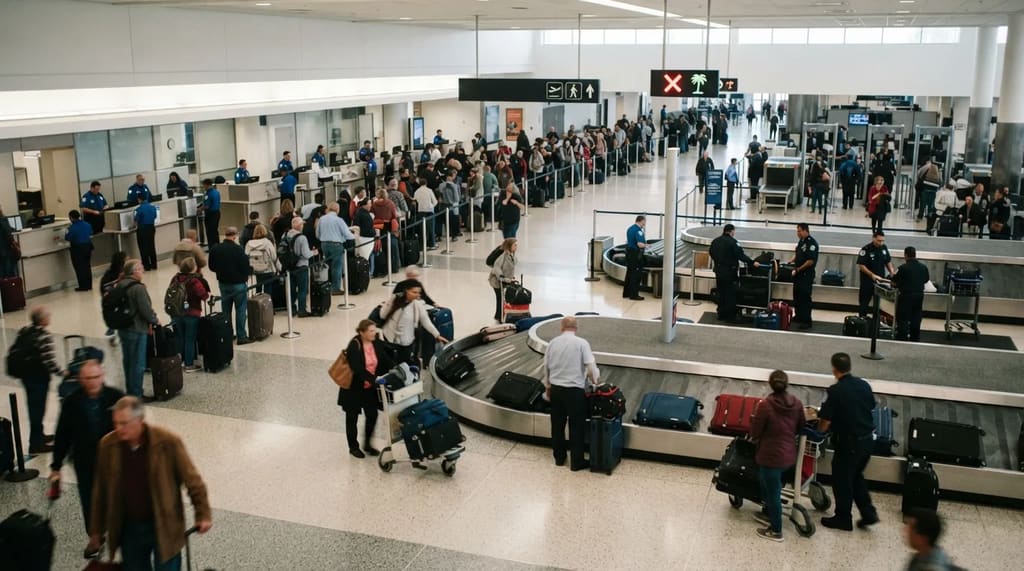
International-to-domestic connections require customs and re-entering security. That turns a simple transfer into a four-step errand:
- Clear immigration
- Collect your bags
- Clear customs
- Recheck the bags and go through security again
Allow 2.5 to 3 hours for an international-to-domestic connection. If you travel with only a carry-on, you skip bag reclaim, the step you can most easily remove.
Related Stories From Travelbinger

Airlines publish a number for how short a connection can be, and it was never meant as a recommendation.
#3 – Treat the Published Minimum as a Floor
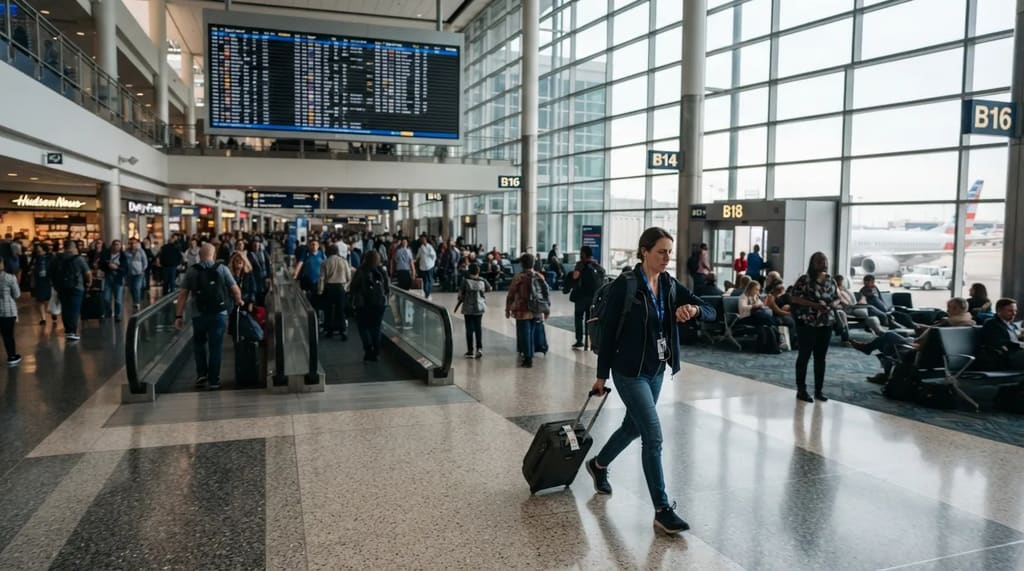
Every airport-airline pair has a published minimum connection time, and booking systems won’t sell you a shorter one. It sounds like a safety promise, but it’s only the shortest connection the system will sell.
A 45-minute connection looks like a time-saver, but it’s a bet that nothing goes wrong. At big multi-terminal airports like JFK, LAX or O’Hare, one hour can be risky.
Book at least 60 minutes domestically, and more at a big hub. For international arrivals, use the 2.5 to 3 hours from the previous item.
There’s one more way a connection can fail, and it happens when you built it yourself.
#2 – Insure the Connection You Built Yourself
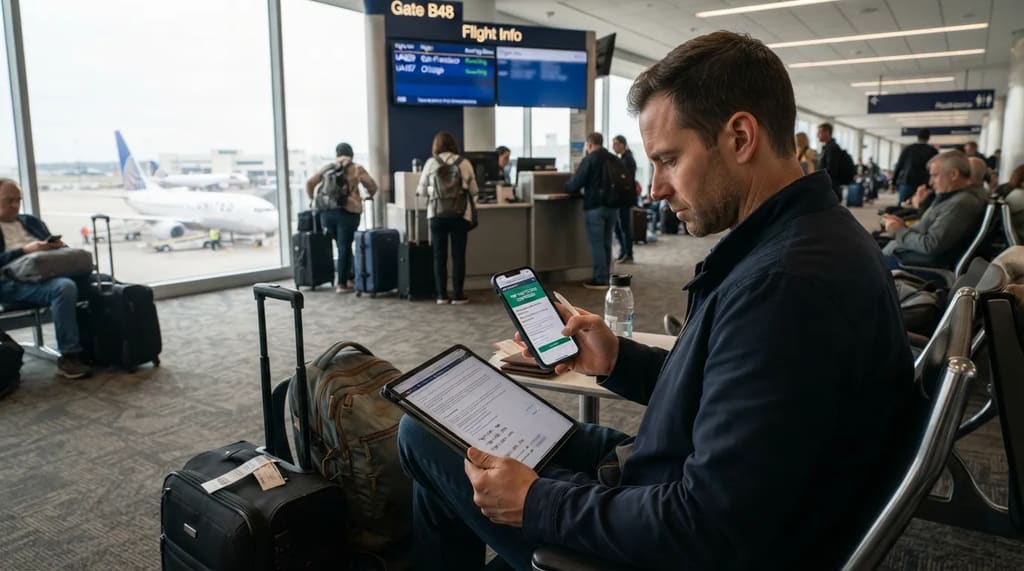
Two flights on two reservations make the schedule your problem alone. Under Department of Transportation rules, airlines aren’t required to protect self-made connections.3
With separate tickets, neither airline owes you a rebooking.7 Sites that sell ‘virtual interlining’ may also leave out through check-in, baggage transfer and missed-connection protection.
Quick Compare
- One ticket: an airline-caused miss typically means free rebooking.
- Two tickets: neither airline owes you a rebooking.
- Virtual interlining: may skip through check-in and baggage transfer.
Trip-delay insurance can fill part of the gap, so read the policy wording on separate tickets. If you can’t confirm the coverage, leave several extra hours between flights.
If the flights leave from different airports, the ground transfer alone can take an hour or more.
Every protection on this list hangs on one detail printed on your booking confirmation, and you can check it in ten seconds.
#1 – Confirm Both Flights Share One Confirmation Number
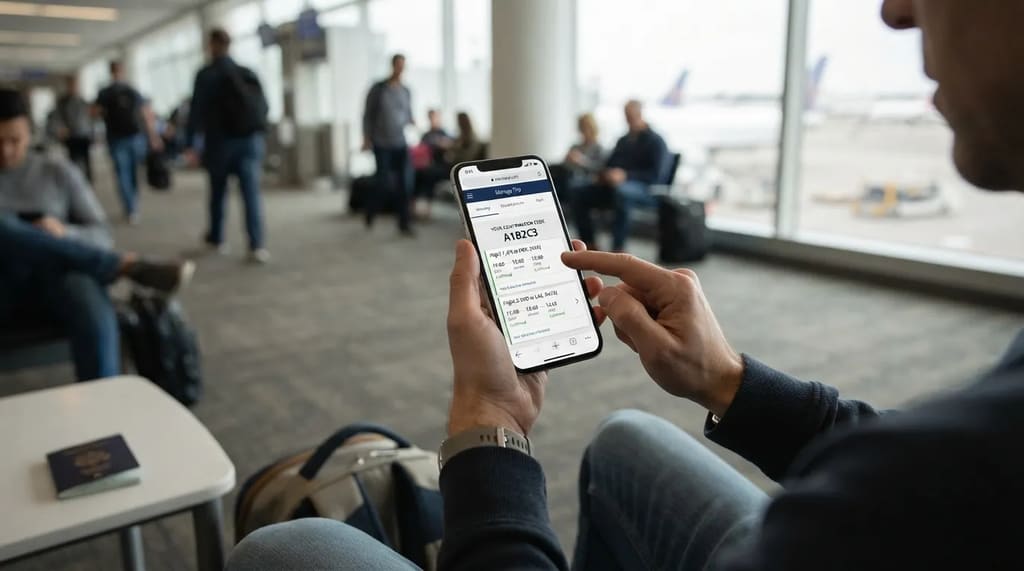
One code decides whether a missed connection is the airline’s problem or yours. Protection generally depends on a single ticket, which usually shows up as one reservation.
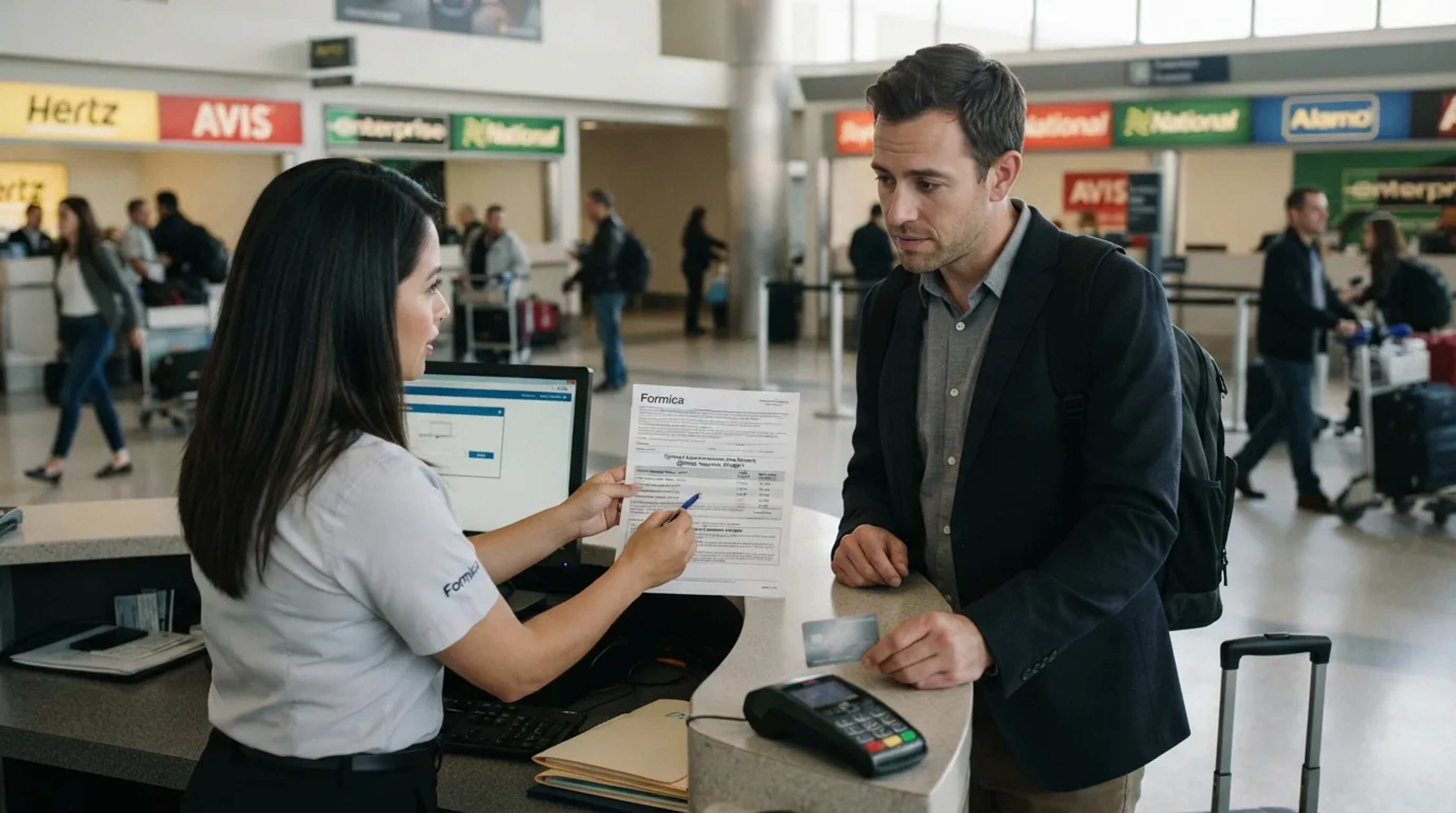
On one reservation, an airline-caused miss typically means free rebooking on the next available flight. On separate reservations, the airline isn’t required to help, and you may have to buy a new seat if the second flight leaves without you.3 7
Two bookings on the same airline, the same day and in the same terminal can still be unprotected if they’re separate reservations. Both flights must appear under one confirmation number.
Open your confirmation email, or the airline’s ‘manage trip’ page, and look for both flights under one code. If they’re split, you’ve found the gap before it costs you anything.
Look back over the list and every habit does the same thing: it trades a few minutes of preparation for a margin you can’t buy at the gate. A layover isn’t something you survive on the concourse, it’s a problem you can inspect from your kitchen table and your airplane seat.
The next time you book a connection, read the confirmation, the minutes and the airport before you compare prices. Which airport has given you your longest dash between gates, and how many minutes did you have when you started?
#20 – The Bonus Tip Nobody Shares: Track the Plane, Not Just the Flight
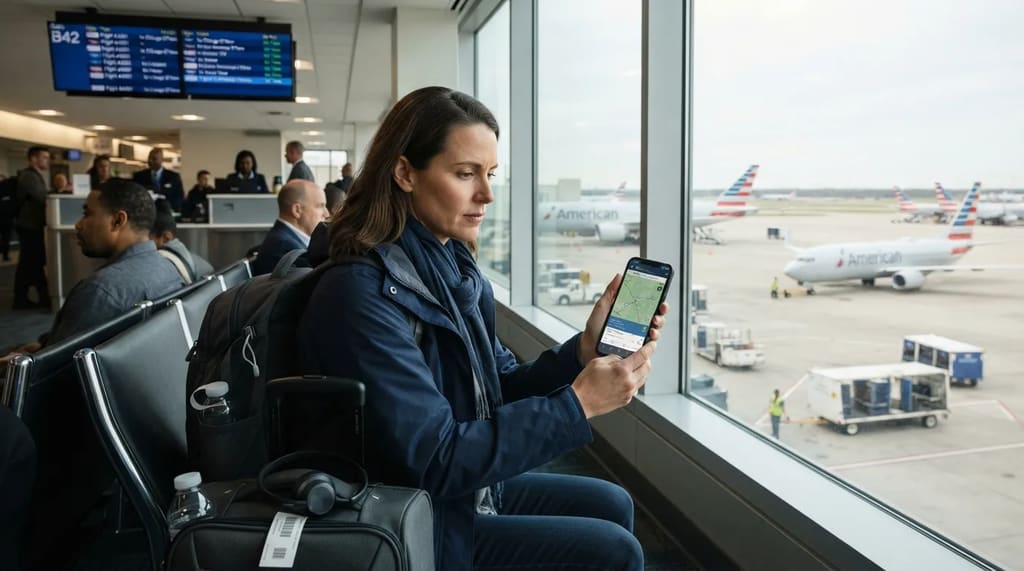
Your next flight can’t leave on time if the aircraft assigned to it is still stuck somewhere else. Most travelers only watch their own flight’s status, which is often the last thing to update.
Look up the inbound aircraft for your connecting flight and learn about a delay before the gate screen does.
- Step 1: Enter your connecting flight number into the airline app or a flight tracker such as FlightAware. Many show an inbound flight or the plane’s previous leg.
- Step 2: Open that inbound flight and check where it is. If it hasn’t taken off yet and your departure time is close, expect a delay and use the extra time to plan.
- Step 3: If your own first flight is running late and the connecting plane is on time, start rebooking at once through the app and phone, from your seat if Wi-Fi allows.
Recheck once more when you land, because schedules shift fast. If the tracker and the airline disagree, trust the airline app and the gate agent.
- TSA Liquid Rules Guide: https://trecklist.com/guides/tsa-travel-liquid-rules/
- Free Wheelchair Assistance Guide: https://www.idyllicpursuit.com/airlines-must-provide-wheelchair-assistance-for-free-heres-how-to-request-it-for-a-holiday-trip/
- Missed Connection Rules US: https://airadvisor.com/en-us/missed-connection-compensation
- O’Hare International Traveler Guide: https://www.flychicago.com/ohare/myflight/international/pages/default.aspx
- Why Recheck Bags Afar: https://www.afar.com/magazine/why-do-you-have-to-re-check-your-bag-on-connecting-flights
- TSA Liquids Rule: https://www.tsa.gov/travel/security-screening/liquids-aerosols-gels-rule
- Self-Connecting Flight Rights: https://www.airhelp.com/en-int/blog/what-are-your-rights-for-self-connecting-flights/