A passport used to feel like a promise. Flash the right cover, get a stamp, walk through. That assumption is getting quietly rewritten this year, as more governments layer pre-approval systems, biometric checks, and border officer discretion on top of the document itself. In several places, the passport is now just the first step in a process that can still end in a “no” at the gate.
The European Union and the Schengen Area
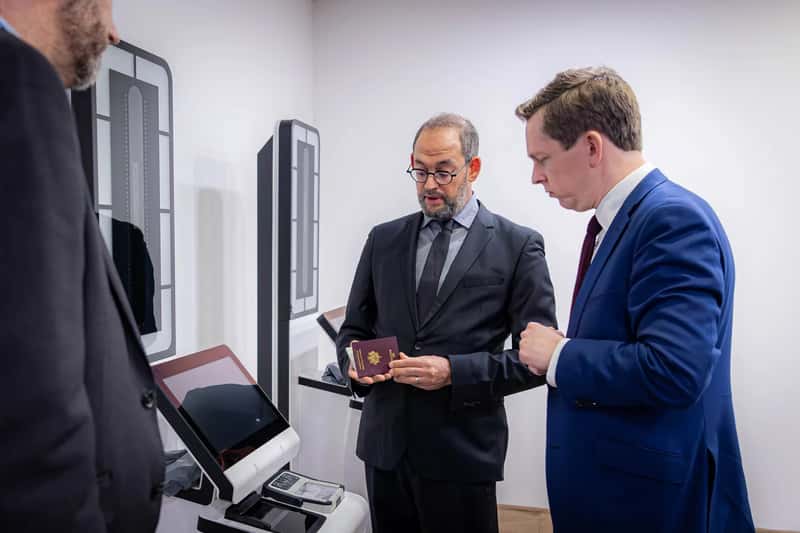
For decades, a valid passport from dozens of countries was enough to walk into France, Italy, or Germany without any advance paperwork. That is changing with the rollout of the European Travel Information and Authorisation System, or ETIAS, which is has a target launch of Q4 2026. Once it takes effect, visitors who previously travelled visa-free to Europe, such as visitors from the United States, Canada, Australia, New Zealand, and many others, will need an approved ETIAS to enter any ETIAS member country.
The system carries a fee and a multi-year window, with the current plan setting a €20 fee per application, revised up from the originally proposed €7, valid for 3 years or until your passport expires, whichever comes first. There is a grace period built in too. During the initial rollout, ETIAS is technically required but enforcement is flexible, travellers without it may still enter Europe if they meet all other entry conditions, and border officers have discretion. Even so, the days of a passport alone opening every Schengen door are numbered.
The United Kingdom
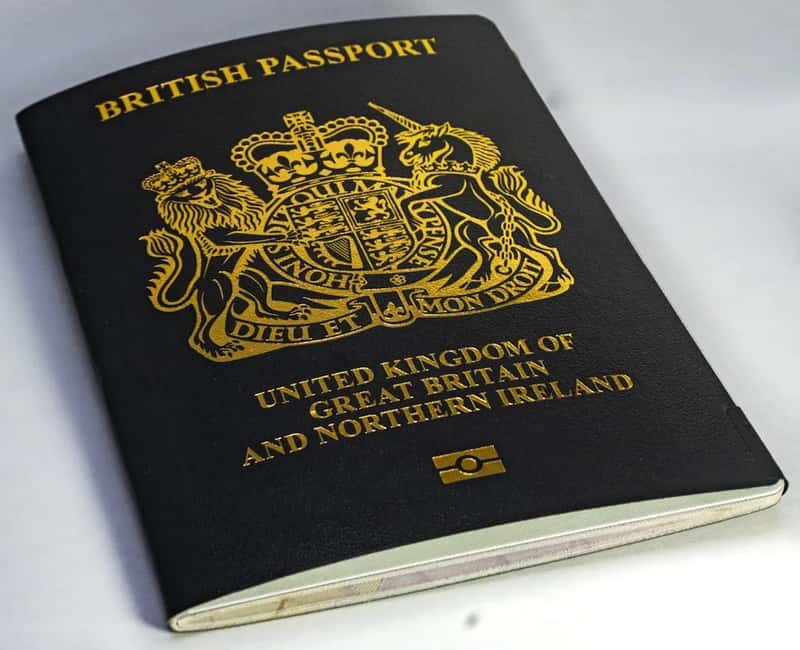
Britain moved first among the major Western destinations, and its Electronic Travel Authorisation is now firmly in force. As of the rollout date, visitors of over 80 nationalities in scope are legally required to have an ETA when travelling to the UK, unless they already hold a UK visa or other UK immigration permission. The requirement touches a huge slice of global travel, since the new ETA requirement is valid for visa-free visitors from 85 countries, including the United States, Canada and France.
What makes this different from a simple visa check is where the enforcement happens. Airlines and other carriers now verify status before departure, and without a valid ETA, travellers will be denied boarding or refused entry at the UK border. The authorisation itself is tied to the individual document, valid for two years, or until your passport expires, whichever is first. A perfectly valid British visit stamp history means nothing if the digital paperwork behind it has expired or was never filed.
The United States

The Visa Waiver Program still lets citizens of dozens of countries skip a formal visa application, and the Visa Waiver Program forms the backbone of short-term United States tourism access, allowing approved nationalities to enter for up to 90 days without a traditional visa. But an approved ESTA is not the same thing as a guaranteed landing. Korean legal commentary summed up the growing anxiety among travelers plainly: ESTA approval does not equal guaranteed entry, and CBP now reviews travel patterns, device content, and employment intent.
Border officers at the actual port of entry hold the final word, and travelers who look inconsistent on paper can find that out the hard way. Reporting on the current climate notes that travellers arriving without complete records, inconsistent travel details, unsupported trip purposes, or unresolved authorization issues may encounter additional questioning, secondary screening, administrative delays, or in some circumstances denial of admission. The gap between “authorized to travel” and “allowed to enter” has rarely felt this wide.
Israel

Israel adopted its own pre-travel authorization, the ETA-IL, and made it mandatory for a long list of visa-exempt nationalities. Legal guidance on the system is blunt about its limits: in reality, ETA-IL serves only as a pre-screening authorization allowing the traveler to board transportation to Israel, and the final decision regarding admission remains entirely within the discretion of Israeli border control officers upon arrival. That discretion is not theoretical. Even travelers from visa-exempt countries or visitors holding a valid Israeli visa may still be refused entry by the Population and Immigration Authority.
The numbers tell part of the story on their own. Recent tourism data shows approximately 36,600 tourist arrivals in April 2026, a steep decline compared to the same month a year earlier and remaining far below pre-war levels, alongside a shift in denial patterns, since 6,889 tourists were denied entry to Israel in 2024, compared to 17,150 in 2023. Legal analysts also point out that certain travelers face closer attention, noting that individuals suspected of involvement in anti-Israel activism, including supporters of the BDS movement or those believed to present security concerns, may receive additional questioning or be denied entry. A valid passport and a clean approval letter simply aren’t the final word here.
Bhutan

Bhutan never pretended its borders worked like everyone else’s, and that has not softened heading into 2026. A passport gets you started, but most international travelers need a visa to enter Bhutan, and the only exceptions are citizens of India, Bangladesh, and the Maldives, who are able to enter visa-free or with a visa on arrival. Everyone else has to go through a structured process that starts long before any flight is booked.
The catch is that individuals cannot simply apply on their own. Bhutan requires all international tourists to book through a Tourism Council of Bhutan-licensed operator before a visa can be issued, and that operator arranges the itinerary, accommodation, and the country’s daily levy. That levy is substantial, since all tourists are subject to a Sustainable Development Fee of USD 100 per night. Skip the paperwork, the operator, or the fee, and the passport in your pocket will not get you past Paro airport, no matter how many stamps already fill its pages.
North Korea
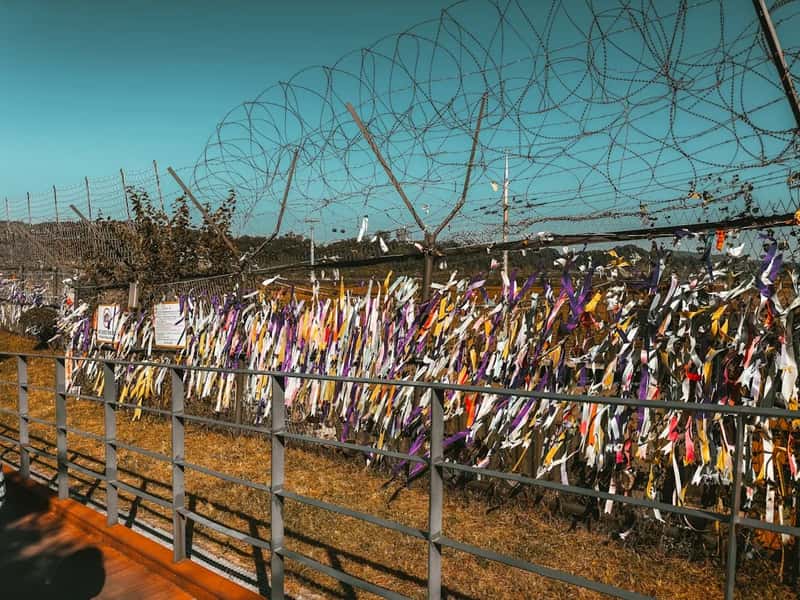
North Korea remains the starkest example of a passport meaning very little on its own. Tourism there has never operated on the normal rules of entry, and access has shifted unpredictably over the past several years, opening briefly to small groups of foreign visitors and then closing again with little warning. Even when the country does allow outside tourists, it does so selectively, and whole nationalities are typically excluded outright regardless of how strong their passport otherwise is.
South Korean and Israeli citizens have long been barred from entering as a matter of standing policy, no exceptions offered at the border. American citizens face a separate obstacle entirely, since ordinary US passports have carried a special validation requirement for travel to North Korea for years, a restriction that has stayed in place well into 2026. In practice, this means a US traveler cannot simply show up with a normal passport and expect to cross the border, authorization has to come from the State Department first, and even then, actual entry still depends on decisions made entirely on North Korea’s side.
The pattern across all six of these places is the same, even though the reasons differ. A passport confirms who you are. Increasingly, it no longer confirms that you will be let in.