Flying after sixty looks a little different than it did a decade ago, and flight attendants notice it the moment boarding begins. Small habits, like how a passenger handles a carry-on or whether they mention a mobility need in advance, shape the entire flight experience for both the traveler and the crew working the aisle.
Most of what crews wish older passengers understood isn’t really about age at all. It’s about communication, timing, and a handful of quiet system details that rarely get explained until something goes wrong.
1. Speaking up early changes everything

Flight attendants receive a passenger manifest before boarding even starts, and that document flags anyone who requested special assistance. Flight attendants receive a manifest before boarding begins, and that document includes notes on passengers who requested special assistance, and most airlines ask for at least 48 hours’ notice for wheelchair support or mobility help.[1] That advance notice lets airport staff and cabin crew coordinate before a passenger even reaches the gate.
The trouble comes when someone needs help but never mentioned it. When crew see an older passenger board without any assistance note but clearly struggling, it creates a real service gap they have to fill on the fly.[1] A quick call to the airline or a word to the gate agent days ahead of time avoids that scramble entirely.
2. Medication liquids follow different rules than everyone assumes
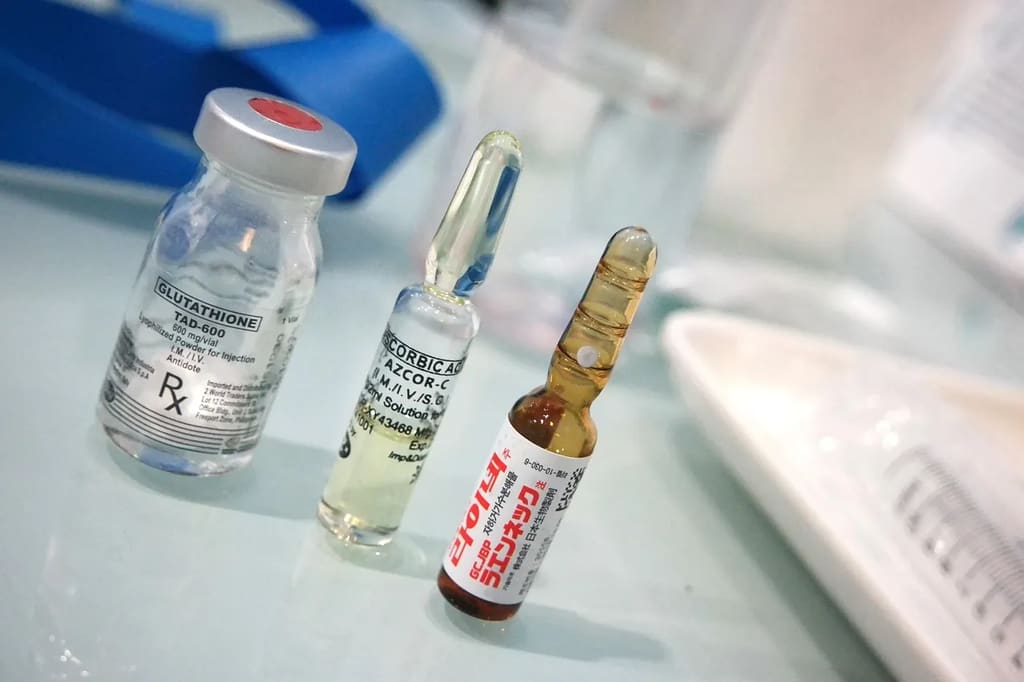
Most travelers know the standard TSA liquids rule by heart at this point. Most frequent travelers know the basic TSA liquids rule: ordinary liquids, aerosols, gels, creams and pastes in carry-on baggage are generally limited to containers of 3.4 ounces or 100 milliliters or less, placed within the familiar quart-size liquids framework.[2] The problem is that some travelers stretch that rule to medications too, which isn’t accurate.
That rule is so well known that some travelers mistakenly apply it to absolutely everything liquid, which can be a serious mistake when medication is involved.[2] Medically necessary liquids are generally allowed in larger quantities, but they need to be declared and organized separately at the checkpoint. For anyone with a medical condition that complicates screening, reaching out to TSA Cares ahead of the trip is worth the extra step, since TSA recommends 72 hours before travel when requesting Passenger Support Specialist assistance.[2]
3. Rushing the gate rarely helps
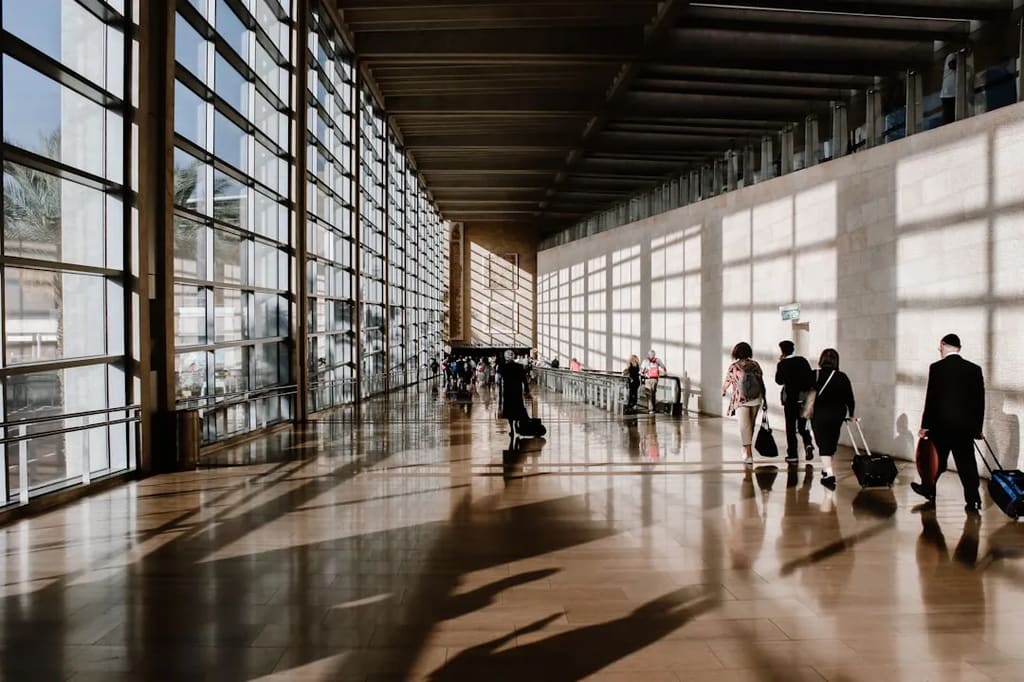
There’s a persistent instinct to crowd the boarding door the moment an agent picks up the microphone, and flight attendants say it almost never pays off. Remember, getting on the plane sooner doesn’t mean you’ll get to your destination any faster.[3] The plane leaves when it leaves, regardless of who’s sitting closest to the door twenty minutes early.
What actually slows things down is a packed aisle full of people waiting to reach seats that aren’t open yet. One former flight attendant recalled seeing “passengers push others to be first in line, only to spend twenty minutes standing in the aisle waiting for everyone else,” noting that “experienced travelers understand that calm beats speed.”[3] Waiting for a boarding group to be called, rather than hovering near the gate, tends to make the whole process smoother for everyone involved.
4. Crews notice more than passengers realize
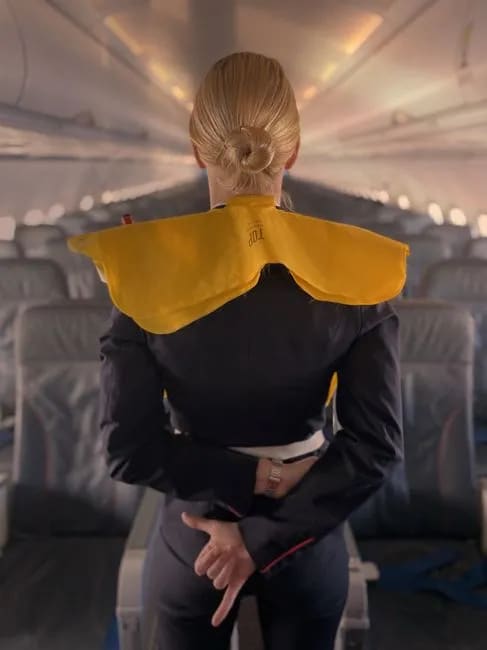
Flight attendants aren’t just watching for obvious struggles. The opposite situation also gets noticed, since a passenger who looks completely steady but has a special assistance flag on the manifest gets a quiet, discreet check to confirm what kind of help is actually needed.[1] It’s a small detail, but it shows how closely crews pay attention to the gap between what’s on paper and what they see in front of them.
That awareness usually works in a passenger’s favor. Crew who see a mobility note and a confident stride don’t dismiss it, they simply adjust the type of help they offer, and they do it without making anyone feel like a problem to be managed.[1] Being upfront about needs, even minor ones, tends to lead to better and more discreet accommodations than trying to power through in silence.
5. Seat location matters more than most people plan for
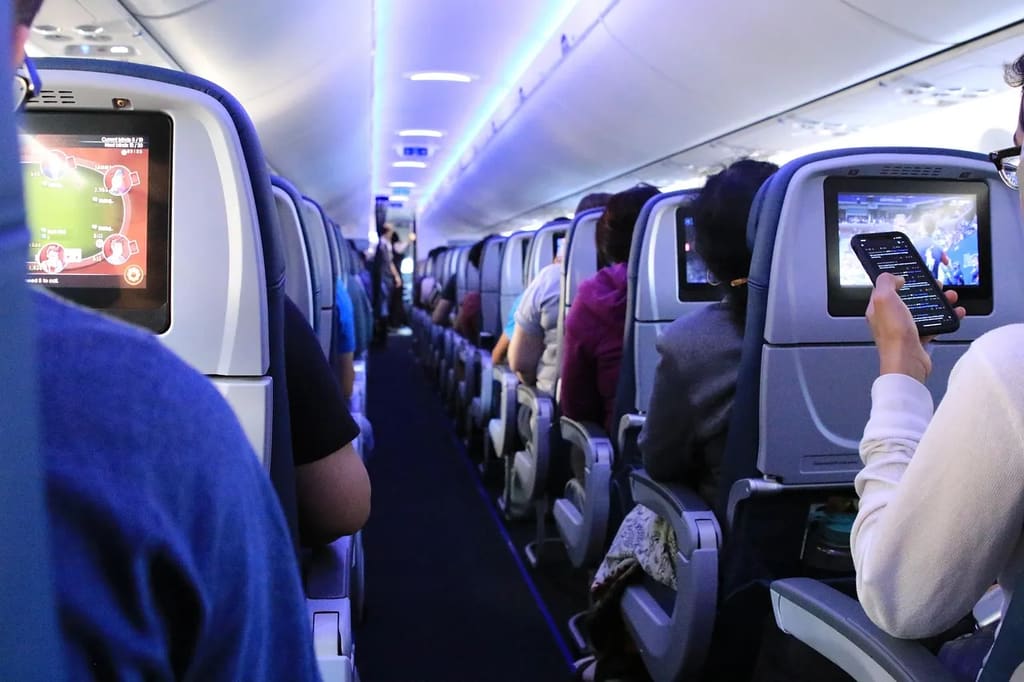
A seat near the front isn’t just a comfort preference for many older travelers. Many older travelers prefer sitting near the front of the plane, where it is easier to access the bathroom and get on and off the aircraft.[4] That small logistical detail can make a noticeable difference over a long flight.
Aisle seats carry their own benefit, particularly for anyone managing stiffness or recovering from a procedure. For seniors recovering from surgery or dealing with circulation issues, aisle seats can also make it easier to stand, stretch, and move around during longer flights, since regular movement may help reduce stiffness and swelling.[5] Requesting that seat type at booking, rather than hoping for the best at the gate, gives airlines the best chance to accommodate it.
6. Getting a crew member’s attention has a right way and a wrong way
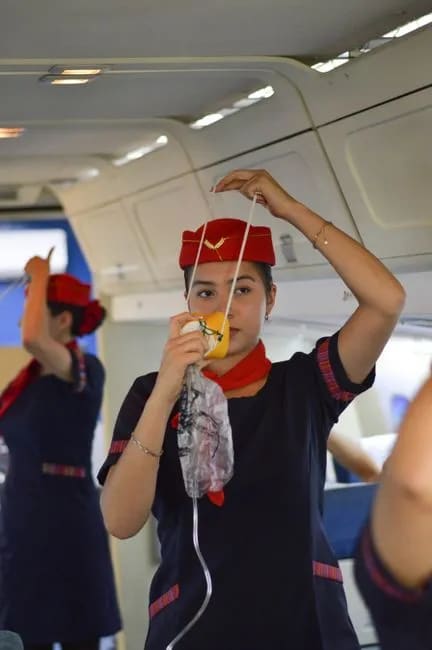
Physical contact with a flight attendant, even a light tap or a friendly wave of the hand near their sleeve, is more common than most passengers assume, and it’s genuinely one of the more disruptive habits in the cabin. One flight attendant described the frustration directly: “You’d be surprised at how much this happens,” adding that being “poked or my apron gets pulled pretty much every flight” is “one of my biggest pet peeves.”[6] It puts crew in an awkward spot, especially mid-service.
Related Stories From Travelbinger


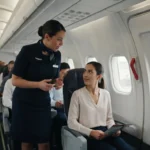
There’s a simple fix that works every time. A polite wave, raising your hand, or a simple “excuse me” works, since flight attendants are trained for cues like that, and if that fails, there’s always the call button above your head or on your screen.[6] It feels like a small formality, but it keeps interactions smooth for the crew member and everyone seated nearby.
7. Traveling with someone changes the accommodation picture
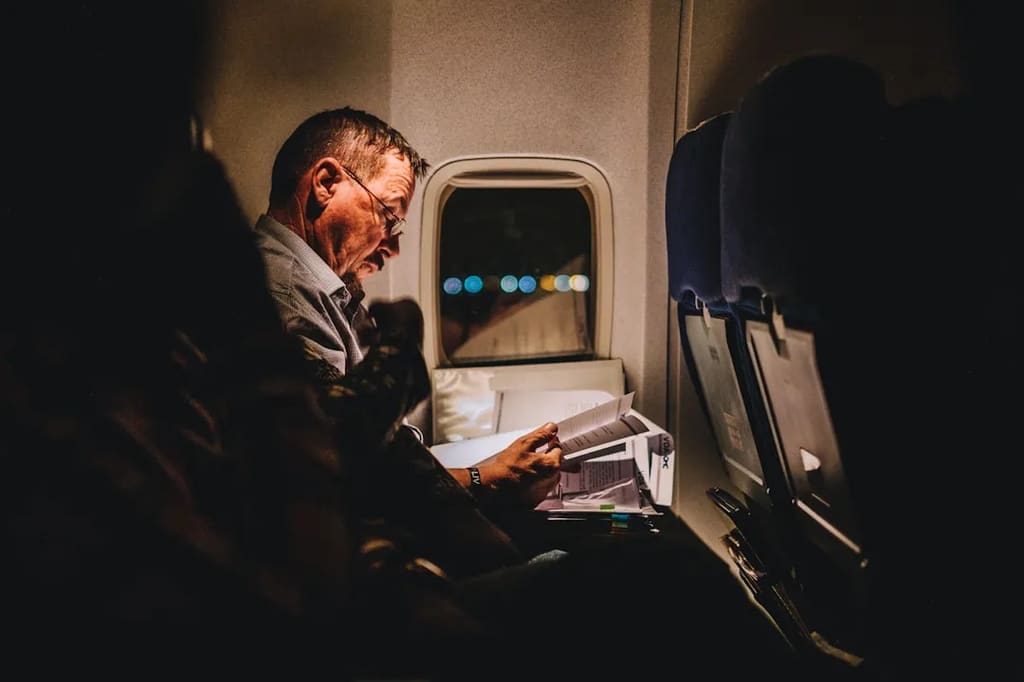
For older passengers who fly with a spouse, adult child, or caregiver, seat placement isn’t just about comfort, it’s often about function. Adjoining seats for traveling companions who are providing assistance are part of the standard seating accommodations airlines try to honor, subject to availability, and this isn’t just about convenience, it’s often the difference between a passenger managing independently and needing crew intervention mid-flight.[5] Airlines generally try to keep those pairs together when they can.
The catch is timing. Requesting this in advance, rather than at the last minute, tends to make a real difference in whether the airline can actually deliver on it.[5] A request made weeks ahead has a much better shot at being honored than one made while standing at the gate with boarding already underway.
Booking a seat, packing medication, and requesting help all come down to the same lesson crews repeat often: earlier communication almost always leads to a smoother flight. None of these adjustments require special status or a difficult conversation, just a willingness to ask before the boarding door closes.