There’s a particular kind of alertness that comes with being nervous in the air. While most passengers scroll through a movie or doze off before the seatbelt sign even turns off, a nervous flyer is often running a quiet inventory of everything happening around them. Every sound, every shift in cabin pressure, every flicker of a flight attendant’s expression becomes data.
This heightened awareness isn’t irrational, even if it can feel exhausting. It’s simply a different way of experiencing the same flight, and it means nervous flyers often clock details that calmer travelers never register at all.
1. The exact rhythm of engine sounds
Most passengers hear engine noise as background hum, something that fades into the general drone of travel. Someone with flight anxiety tends to track it much more closely, noticing subtle changes in pitch during climb, cruise, and descent. A slight change in tone after takeoff, which is often just the pilot easing off initial thrust, can register as alarming even though it’s completely routine.
This isn’t unique to skittish flyers either. Aviophobia involves persistent and excessive fears that often lead to avoidance behaviors, and the anxiety doesn’t necessarily stem from an unsettling flight experience itself since it can involve claustrophobia or other fears.[1] That means the sensitivity to sound is often less about the plane and more about how the brain is interpreting uncertainty in an unfamiliar environment.
2. Small changes in a flight attendant’s demeanor
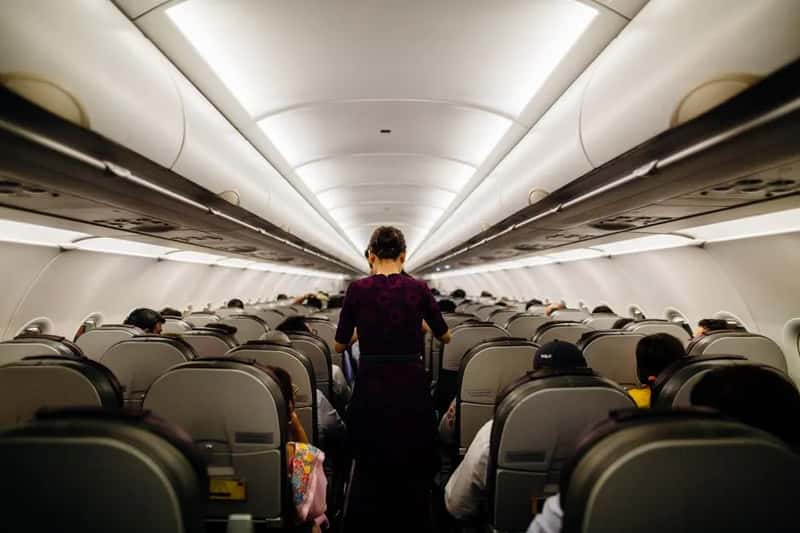
Cabin crew are trained to keep a calm, even tone regardless of what’s happening, but nervous flyers often watch them like weather instruments anyway. A slightly faster walk down the aisle, a brief huddle near the galley, or a flight attendant sitting down a few minutes earlier than expected can all become small signals worth analyzing. Most other passengers simply don’t notice these micro-behaviors at all.
Psychologists who study flight anxiety note that this kind of scanning behavior is common among people who feel they need extra information to feel safe. As one clinician who studies anxiety in air travel put it, nervous passengers rarely show visible panic, but they might have an extra drink instead of showing it outwardly[2]. The watching, in other words, tends to happen quietly rather than dramatically.
3. Turbulence that barely registers with anyone else
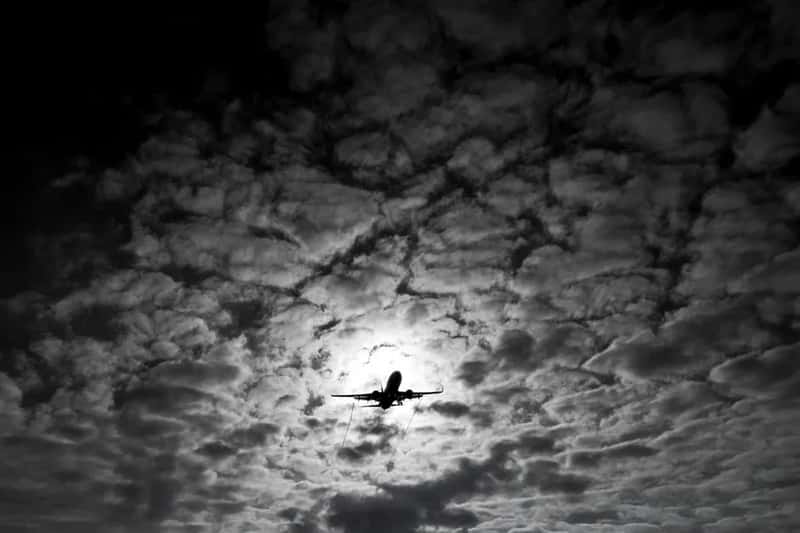
A little bit of chop that makes a coffee cup wobble might not even interrupt a nearby passenger’s nap, but for someone with flight anxiety it can feel like the plane is in real danger. This gap in perception is partly physiological, since anxious minds are primed to notice and remember unexpected movement more vividly. It also explains why turbulence complaints from nervous flyers can sound disproportionate to what actually happened mechanically.
There is a real reason turbulence has been on more people’s minds recently. Climate change is increasing the frequency of moderate to severe clear air turbulence in the Northern Hemisphere, and reanalysis of atmospheric data from 1980 to 2021 found that this type of turbulence increased between roughly 60 and 155 percent over regions including North Africa, East Asia, the Middle East, and the North Atlantic.[3] Even so, most of what nervous flyers feel as frightening bumps remains well within the structural limits aircraft are built to handle.
4. Unusual smells in the cabin
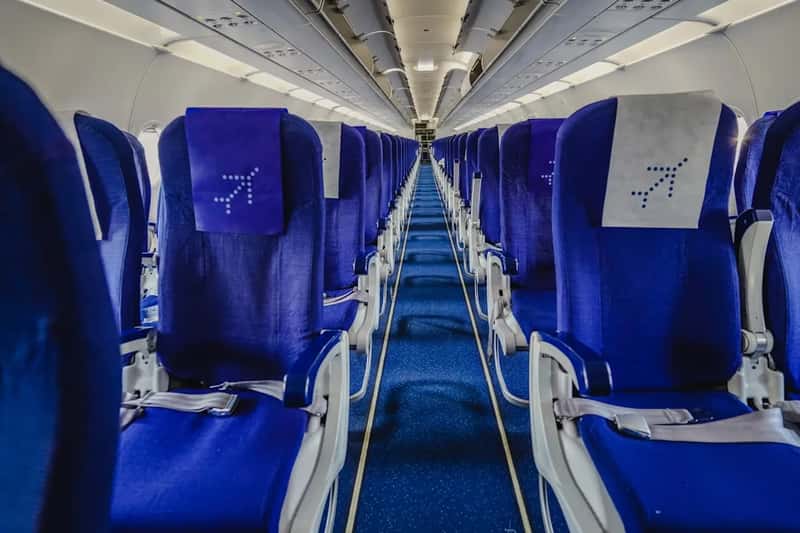
A faint whiff of something metallic near boarding, or a slightly stronger smell of jet fuel while taxiing, can go completely unnoticed by a passenger absorbed in a podcast. Someone with flight anxiety, on the other hand, might mentally flag it immediately and keep sniffing the air for the next twenty minutes. In most cases these smells are simply part of normal ground operations near engines and fuel lines.
This heightened sensory awareness fits a broader pattern seen in anxiety research, where the brain becomes primed to search for confirming evidence of danger once a fear response is triggered. It’s a normal feature of how anxiety works, not a sign that something is actually wrong with the aircraft. Still, it’s one more thing that quietly occupies a nervous flyer’s attention while everyone else stays relaxed.
5. How steep the descent feels compared to takeoff
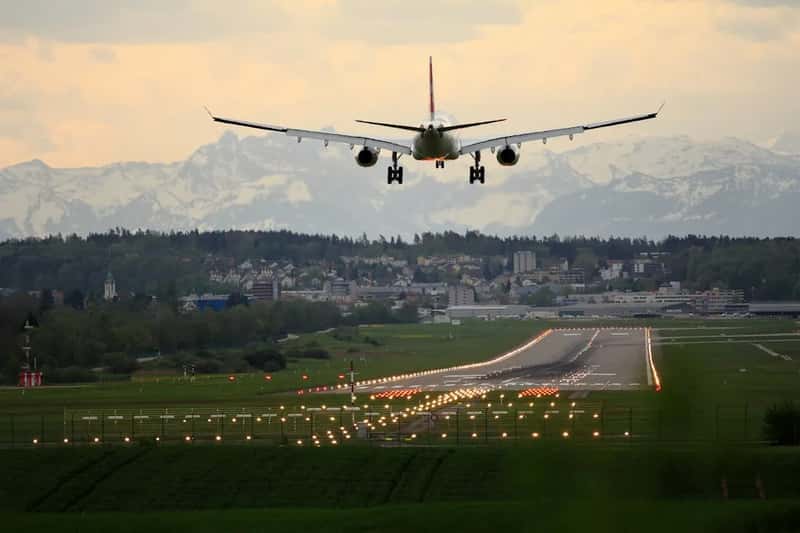
Takeoff gets most of the attention in conversations about flying nerves, but many anxious flyers find descent equally unsettling, sometimes more so. The change in cabin pressure, the sensation of dropping, and the noise of flaps extending can all feel more pronounced on the way down. Passengers without flight anxiety often barely notice this phase beyond a mild ear pop.
For someone already on edge, descent can also trigger anticipatory anxiety about landing itself, which research identifies as one of the more common flashpoints for fear during a flight. This is part of why some fear of flying programs specifically address descent and landing as separate stages rather than lumping the whole flight together. The difference in intensity between takeoff nerves and landing nerves is something calmer travelers rarely think about at all.
6. News coverage of aviation incidents
When there’s a widely reported plane crash or a serious in-flight incident, most travelers register the headline and move on with their day. For people with flight anxiety, that same story can linger for weeks and directly shape how they feel about their next trip. This isn’t a minor pattern either, it’s a well documented effect on public sentiment around flying.
By spring of 2025, two-thirds of U.S. adults reported heightened nerves about flying according to a Harris Poll of 2,092 adults, and one in four described themselves as far more fearful about flying in the wake of recent incidents.[1] A separate survey found something similar, with 65% of respondents saying they were more nervous about flying after recent crashes and close calls[4]. Nervous flyers tend to absorb and remember this coverage far more thoroughly than passengers who simply skim past it.
7. Their own physical reactions during the flight

A racing heartbeat, tense shoulders, or a dry mouth during a bumpy patch might go completely unnoticed by a calm traveler, who may not even register these as symptoms at all. Someone with flight anxiety often tracks these sensations closely, sometimes interpreting normal stress responses as evidence that something is wrong with the flight itself. This self monitoring can become its own source of anxiety, separate from anything actually happening on the plane.
Studies indicate that as many as 40% of people say they fear flying, though a lower percentage likely fits the formal diagnostic criteria for aviophobia.[1] That gap matters, because it means a large number of passengers are quietly experiencing physical symptoms of anxiety that never rise to a clinical level, yet still feel very real in the moment. It’s a reminder that fear of flying exists on a spectrum rather than as a single fixed condition.
Taken together, these patterns show that a nervous flyer isn’t overreacting to nothing. They’re simply paying closer attention to details that most passengers have trained themselves to tune out entirely. Understanding what specifically draws that attention can make it easier for anxious travelers, and the people flying next to them, to recognize what’s actually happening in the moment rather than assuming the worst.