Walk into any hotel room fresh off a flight, and the instinct is to toss your suitcase on the bed and collapse. Frequent travelers know better. The first five minutes in a new room set the tone for the entire stay, and a few quick habits can save you from bed bug bites, security scares, or simply a room that smells off. These aren’t paranoid rituals, they’re practical checks that seasoned guests do almost without thinking, long before a single shirt comes out of the suitcase.
None of this takes more than a few minutes, and most of it becomes second nature after a handful of trips. Below are eight things that experienced hotel guests consistently do the moment they step into a room, and the reasons why each one matters more than people realize.
1. They Check the Mattress and Bedding for Bed Bugs
Before anything else touches the sheets, seasoned travelers pull back the corners of the mattress and check the seams, headboard, and box spring for tiny reddish-brown insects or dark spotting. This habit exists for good reason. A 2025 survey from the Harris Poll and the National Pest Management Association found that just 28% of Americans check their hotel rooms for bed bugs before staying overnight[1], even though the risk is real across every price tier.
Industry data backs up the caution. Pest control professionals reported that hotels and motels accounted for 70% of the locations where they treated bed bugs in the past year[1], and a separate Sleep Doctor survey found that among travelers who spotted bed bugs, 20 percent of those sightings happened in 5-star hotels[2]. Star rating alone doesn’t guarantee a bug-free room, so a thirty-second mattress check is cheap insurance against a ruined trip.
2. They Locate the Fire Exits and Review the Evacuation Map
Right after dropping their keycard on the desk, experienced guests glance at the evacuation diagram posted on the back of the door and physically walk to the nearest stairwell. Fire safety experts consistently recommend this exact sequence: when you enter your room, review the escape plan posted in your room, take the time to find the exits, and count the number of doors between your room and the exit[3]. It sounds excessive until you’re in a dark, smoke-filled hallway trying to remember which way to turn.
This habit matters because hotel layouts are unfamiliar territory, and disorientation is dangerous in an emergency. Fire safety guidance notes that layout is a common hazard since hotel guests aren’t typically familiar with the building, so they might have difficulty finding the nearest exit[4]. Seasoned travelers also check that exits aren’t blocked or locked, since exits must be unlocked, and if they are locked, it should be reported to management right away[3].
3. They Test the Locks, Deadbolt, and Peephole
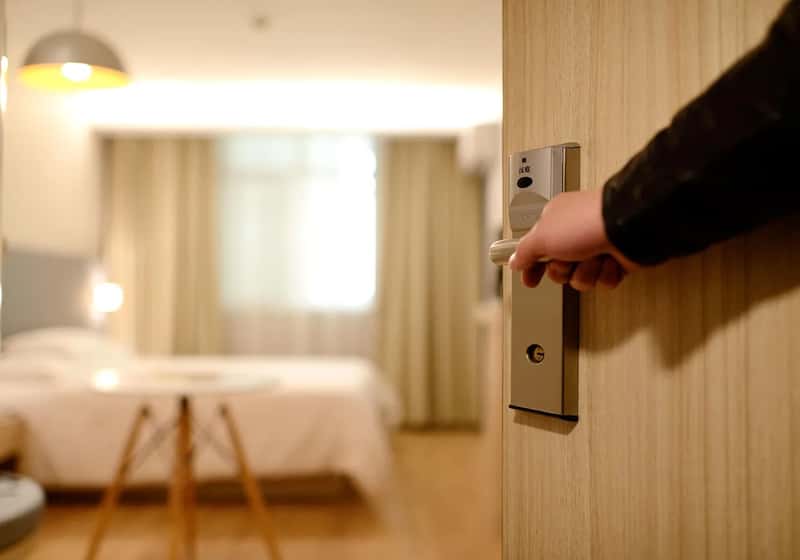
Before settling in, frequent guests test every lock on the door, including the deadbolt and any secondary latch, and confirm the peephole actually works. General safety guidance for hotel stays emphasizes this step directly: always lock your doors and windows, including any connecting doors to adjacent rooms, and use the peephole to identify visitors before opening the door[5]. It’s a small habit, but it closes off one of the most common vulnerabilities in a room.
Seasoned travelers also check any connecting doors between rooms, since these are often overlooked and can be a weak point if not properly secured. If a knock comes at an odd hour and something feels off, the advice is simple and consistent across most hotel safety resources: if you receive an unexpected knock and are unsure, call the front desk to verify[5]. This single call resolves most unexpected visitors without ever having to open the door.
4. They Wipe Down the Highest-Touch Surfaces
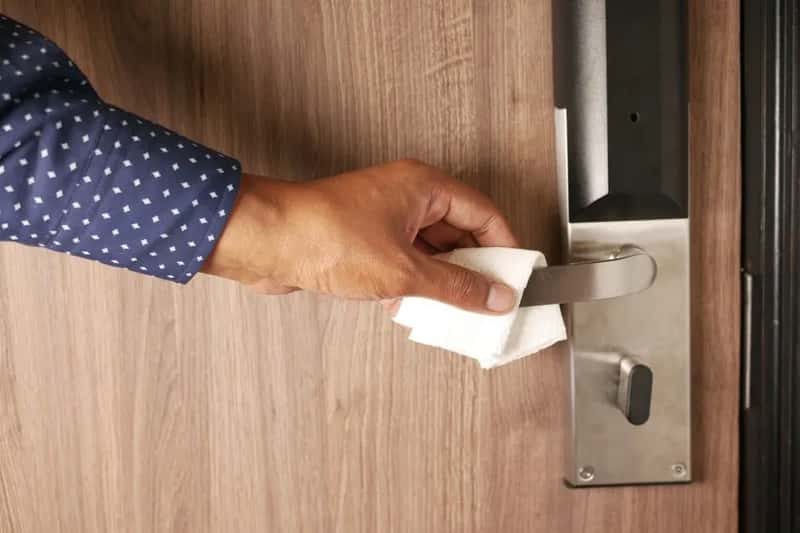
Experienced hotel guests know that housekeeping standards vary, and the surfaces that look clean aren’t always the cleanest. Multiple studies over the years have pointed to the same culprits. Research on hotel room hygiene found that remote controls harbor an average of 67.6 colony-forming units of bacteria per square centimeter, compared to a hospital standard of just 5 CFU[6]. That gap is significant enough that a quick wipe-down before use has become routine for many travelers.
The light switch tends to be even worse. According to reporting on hotel cleanliness inspections, an AAA inspector noted that the light switch has taken over from the remote as the germiest surface, consistently yielding the highest number of germs during swab inspections[6]. A travel-size pack of sanitizing wipes takes seconds to run over the remote, switches, and phone, and it’s one of the simplest habits a road warrior picks up after just one bad experience.
5. They Do a Quick Sweep for Hidden Cameras
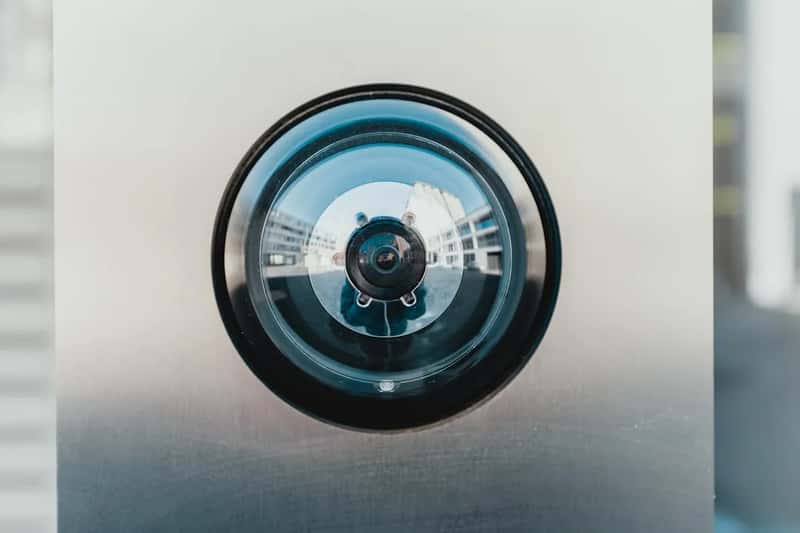
Privacy concerns have pushed more travelers to do a brief visual scan of the room before unpacking, checking objects that face the bed, seating area, or bathroom. Security guidance recommends starting with the obvious: tiny cameras may be smartly hidden inside clocks, lights, USB chargers, smoke detectors and decorative items placed in the room[7]. A darkened room and a smartphone camera can reveal a lot in under a minute.
The method itself is simple enough for anyone to try. Experts suggest that travelers turn off the lights, make the room as dark as possible, open the front-facing camera which typically lacks an IR filter, and slowly scan the room looking for small white or purple glowing dots[8]. It’s worth noting that risk remains low overall, but the habit costs nothing and offers real peace of mind for a trip that otherwise involves changing clothes and sleeping in an unfamiliar space.
6. They Inspect the Bathroom Before Using It
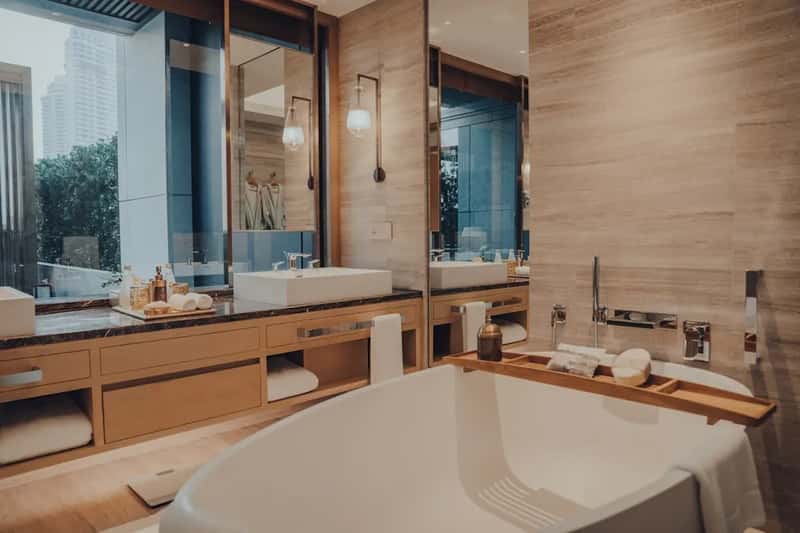
The bathroom gets a once-over from experienced guests before towels get used or toiletries get unpacked onto the counter. This isn’t just about tidiness, since research has repeatedly flagged bathroom surfaces as hotspots for contamination. One widely cited hotel hygiene study found that in four-star hotels, the bathroom counter was the single dirtiest surface among all spaces tested[9], which is where most people set down toothbrushes and skincare items without thinking twice.
A quick check of water pressure, drain function, and whether towels smell freshly laundered can flag problems before they become a bigger inconvenience later. Seasoned travelers also glance at grout lines and tub edges, areas that housekeeping sometimes rushes past during quick turnovers. Catching an issue in the first few minutes means it’s easy to request a room change or a fresh set of towels before ever settling in.
7. They Test the Smoke Detector and Basic Safety Equipment
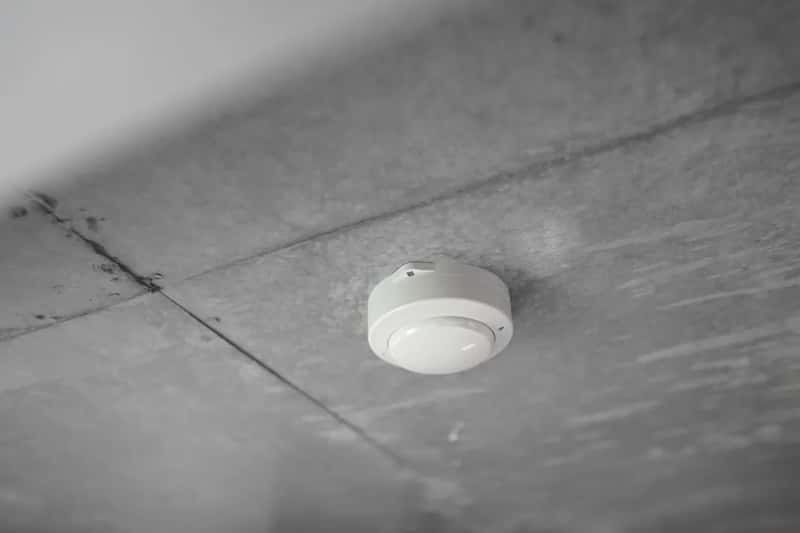
A quick glance at the smoke detector, and sometimes a light tap to confirm the indicator light is active, is standard practice for guests who travel often. This habit ties directly into broader fire safety recommendations, which stress choosing accommodations with working alarm systems in the first place: choose a hotel or vacation property that’s protected by smoke alarms and a fire sprinkler system[10]. Since smoke detectors are sometimes disguised as camera housings in privacy scares, a quick visual check serves double duty.
Seasoned guests also note where the room’s fire extinguisher or nearest pull station is located, even if they never expect to use it. This isn’t excessive caution so much as a habit built from experience, since most travelers who’ve been through a false alarm or an actual evacuation only wish they’d looked sooner. It takes seconds and becomes automatic after a few trips.
8. They Confirm the Safe, Wi-Fi, and Thermostat Actually Work

Before unpacking valuables or settling in for the night, experienced travelers test the in-room safe with a sample code, confirm the Wi-Fi connects properly, and adjust the thermostat to make sure heating and cooling respond. A safe that won’t lock or a thermostat stuck on one temperature is far easier to fix in the first ten minutes than at eleven at night after everything is already unpacked.
This final check rounds out the pre-unpacking routine because it shifts any friction to the front desk while there’s still time to request a fix or a room change. Frequent guests treat this as non-negotiable, since discovering a broken safe after valuables are already inside, or a dead thermostat after dark, turns a minor inconvenience into a genuine hassle. A few minutes of testing upfront almost always pays off later in the stay.
None of these habits require special equipment or take more than a few minutes combined, yet together they cover the categories that most often turn a hotel stay sour: pests, safety, security, hygiene, and basic room function. Seasoned travelers don’t do all eight out of paranoia. They do them because each one has, at some point, saved a trip from going wrong. Building even three or four of these into a personal routine is enough to travel with a lot more confidence the next time a keycard slides into a hotel door.