Most travelers check in, take the key card and head upstairs without asking for anything. Yet many hotels keep a quiet list of things they can provide, from bathroom equipment to special rates, and staff rarely mention it unless you ask. For guests over 65, a few of these requests can make a stay safer and more comfortable. Some can also make it cheaper.
A caveat first. Availability depends on the hotel, the brand and the day, and nothing here is guaranteed everywhere. The items below draw on hotel accessibility pages, accessibility design guidance and current senior discount roundups. Calling ahead is the best way to make any of them work.
1. An Accessible Room at the Same Price as a Standard One
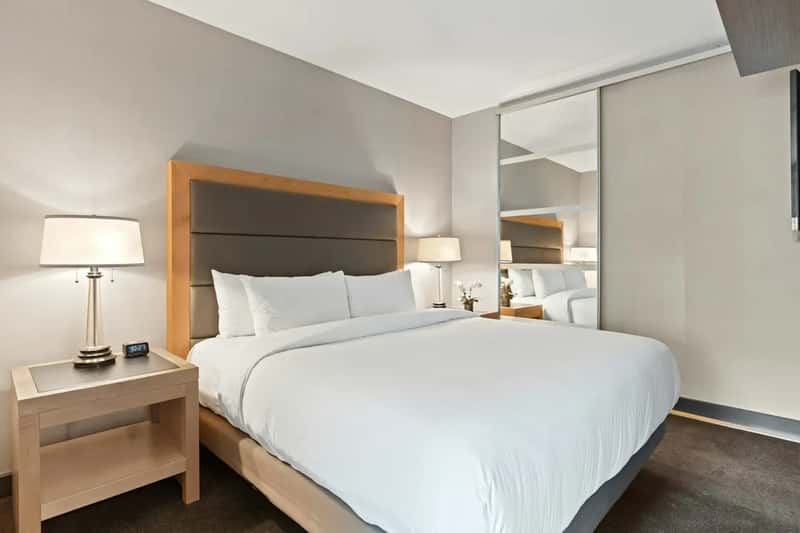
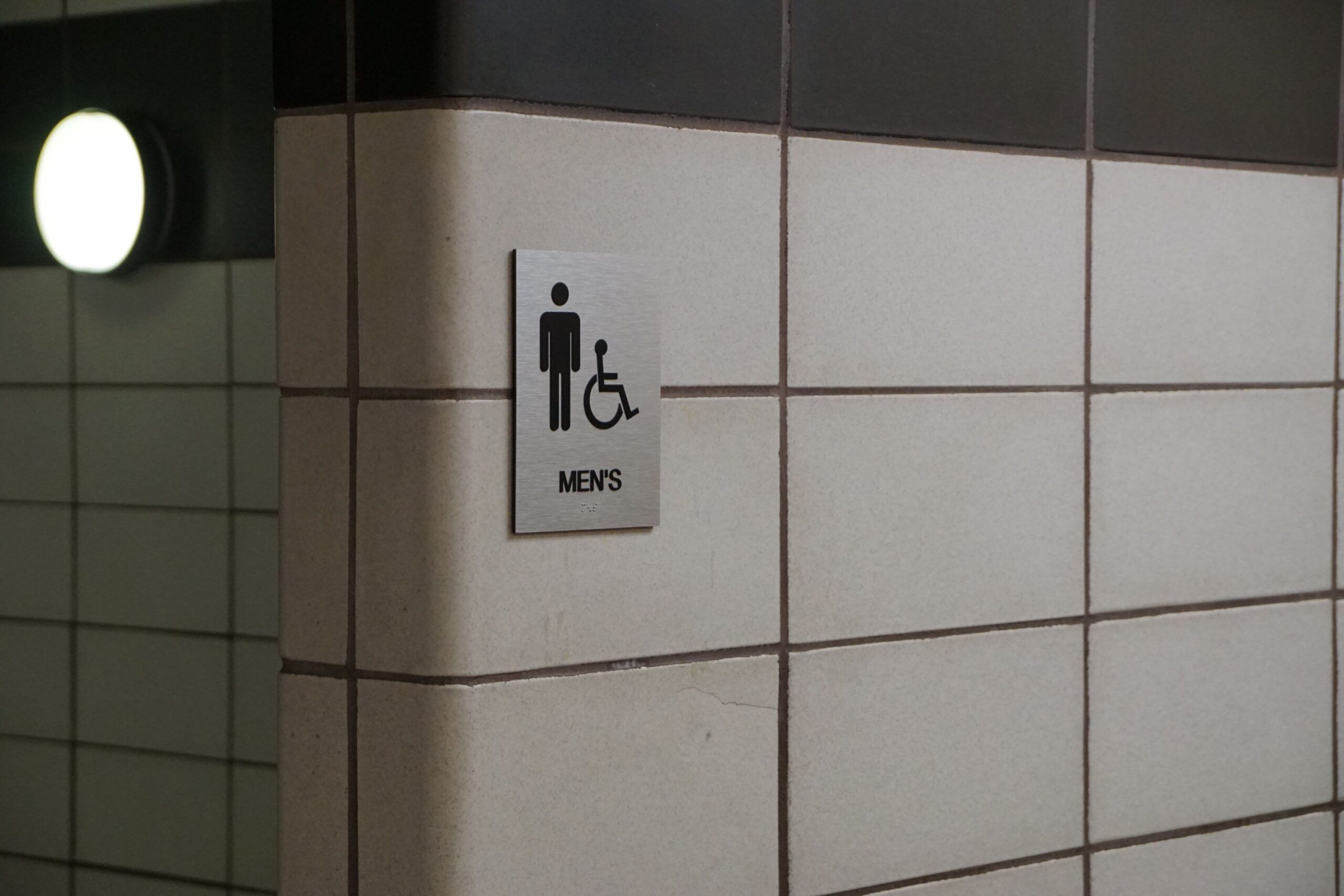
If you have trouble with stairs, balance or tight bathrooms, you can ask for an accessible room. Accessible rooms are built with wider clearances and bathroom supports for guests who need them. One accessibility guide notes that hotels must offer accessible rooms at the same price as standard rooms of the same type[1]. That means you shouldn’t pay extra for grab bars or floor space.
Accessible rooms are meant for guests who need the features, so don’t ask for one just because it’s roomier. Hotels also have limited numbers of them. Booking early, and saying plainly what you need, improves your odds.
2. Loaner Bathroom Equipment Like Shower Chairs and Raised Toilet Seats
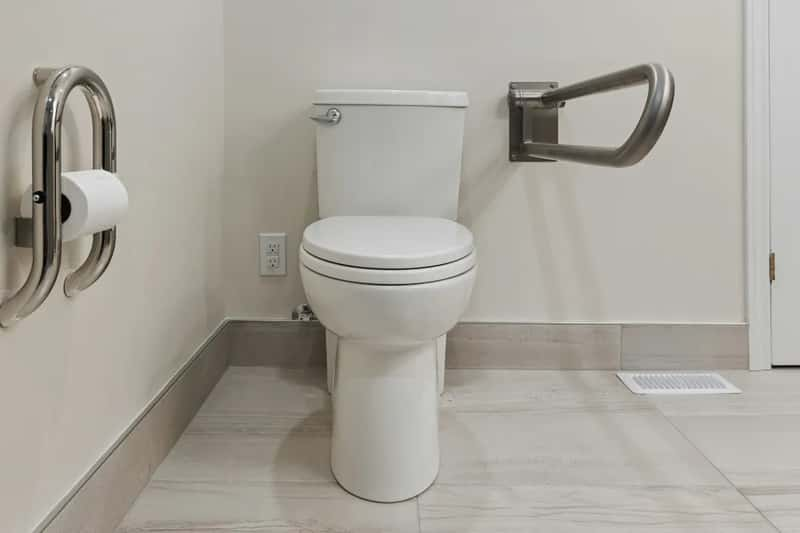
Many travelers don’t realize hotels may keep bathroom equipment behind the desk. One Twin Cities hotel’s accessibility page lists shower chairs, a raised toilet seat and a tub seat[2] among items available on request. Another hotel lists a shower seat, a hand-held shower wand and a removable shower head among its accessible bathroom features (Avalon Beverly Hills[3]).
Policies vary a lot from property to property. Ask when you book rather than at midnight, so staff can set the equipment aside. It’s an easy request that can reduce the risk of a slip in an unfamiliar bathroom.
3. Visual and Vibrating Alert Kits for Hearing Loss
Hearing changes are common as people age, and a standard hotel room relies heavily on sound. Under ADA rules, hotels must provide communication features. Guidance on the topic describes visual alarm systems, flashing indicators for phones and doorbells, and TTY devices[4]. Some hotels also offer vibrating alarm clocks and phone handset amplifiers.
These kits are often stored at the front desk and handed out only when someone asks. One hotel lists a hearing impaired light alert kit[3] among its in-room features. You don’t need a formal diagnosis to ask about wake-up alternatives, and closed-captioned television is another common feature worth requesting.
4. Lowered Controls, Closet Bars and Easy-Reach Fixtures

Reaching high shelves or awkward thermostats can be harder than it sounds. Accessible rooms often include lowered features. One hotel lists a lowered thermostat control, lowered closet bars and shelving, and low towel hooks[2]. Accessibility guidance also says a closet should have a lower bar in addition to the standard high one (wcagpros[5]).
If reaching is your issue, say so when you ask for a room. You may not need a full accessible room, but staff can tell you which features a given room has. Those details matter more than a generic label.
5. A Room Close to the Elevator or on a Lower Floor
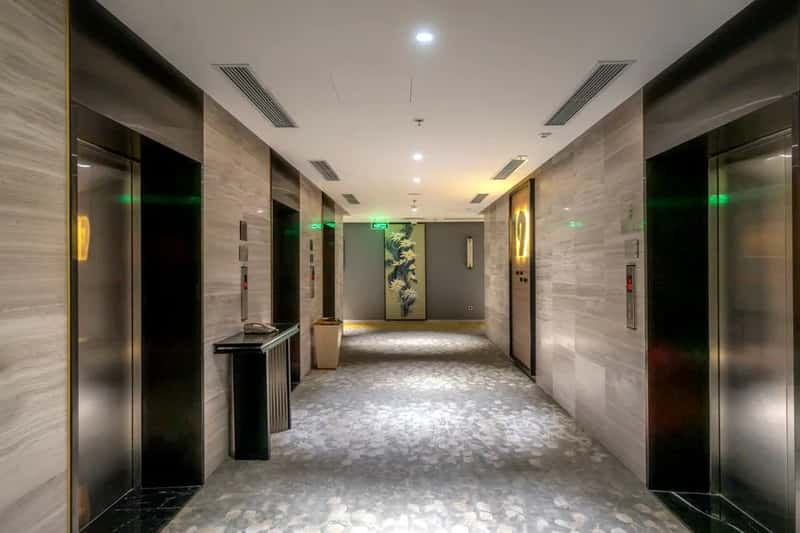
Long corridors can be tiring, and some guests are nervous about high floors. Room location is one of the simplest things to ask for, and hotels often note it on your reservation. It isn’t a legal entitlement, so treat it as a preference the hotel may be able to honor. Some accessible rooms are on the ground floor, such as a first floor deluxe king[6] at one inn.
Accessibility guidance also says accessible rooms should be spread across room types so guests have choices comparable to other guests (wcagpros[5]). If you want a quiet spot near the elevator, ask when you book and again at check-in.
6. Valet Parking and Help With Luggage

Walking from a distant parking lot with heavy bags is a real hurdle for many older travelers. Some hotels list valet parking as something they can provide on request in their accessibility information. One example is a St. Paul hotel’s accessibility page, where valet parking[2] appears in the on-request list.
Luggage help is a standard hotel service, but staff may not offer it to a guest who looks fine. Ask at the door. If you’re unsure about a property’s parking setup, check before arriving.
7. The Senior Rate, Which Often Isn’t Offered Automatically

Many major chains sell a senior rate, but you usually have to select it or ask. A recent roundup says Best Western and Extended Stay America start at 55, Red Roof at 59, Choice and Wyndham at 60, and Hilton requires 65[7]. Hilton’s own offers page lists its senior rate at up to 6% off the Best Available Rate[7] for travelers 65 and older.
The savings are modest and vary by property. You can usually choose a senior rate online, call the hotel, or request the discount at check-in[7]. Bring photo ID, since most programs require proof of age.
8. AARP Rates and Possible Late Checkout

AARP membership is open to anyone 50 or older and can unlock separate hotel rates. One 2026 summary says it costs $20 per year, or $12 with auto-renewal[8]. Typical hotel savings are described as roughly 5% to 25% off the best available rate[8], depending on chain and property.
Partner lists change, and sources disagree about which chains currently participate. One 2026 guide says Hilton’s longtime AARP member discount is no longer offered[9], while others still list it. Check AARP’s current hotel list before booking. An older AARP-linked Hilton deal also included late checkout of up to 2 p.m., if available[10], so ask about late checkout whenever you use a member rate.
9. A Detailed Description of the Room Before You Book
“ADA accessible” can mean very different things. One hotel-industry guide suggests replacing vague labels with specifics such as roll-in showers, fold-down benches, grab bars and handheld showerheads[11]. Those details decide whether a room works for you. A tub with grab bars suits some guests, while others need a seat in a walk-in shower.
Call the hotel and ask exactly what the room has. Useful questions include the type of shower, whether there’s a seat, how high the toilet is and where the room sits in the building. Get the answers in writing if you can, so you aren’t surprised at check-in.
Hotels can do more than their front desks tend to mention, and most of it comes down to asking early and specifically. A short call before your trip covers equipment, room location, alert devices and rates in one conversation. Staff generally want you to be comfortable, but they can’t act on needs they don’t know about.
The best hotel stay is the one where nothing goes wrong, and a few well-timed questions often make that happen.