Travel has a strange way of turning confident adults into self-conscious teenagers again. Something about being in unfamiliar surroundings, surrounded by strangers, makes small social risks feel much bigger than they actually are. Most of these hesitations never get voiced out loud, yet they quietly shape how people plan their days, order their meals, and even decide where to sit.
Asking for directions instead of relying on a phone
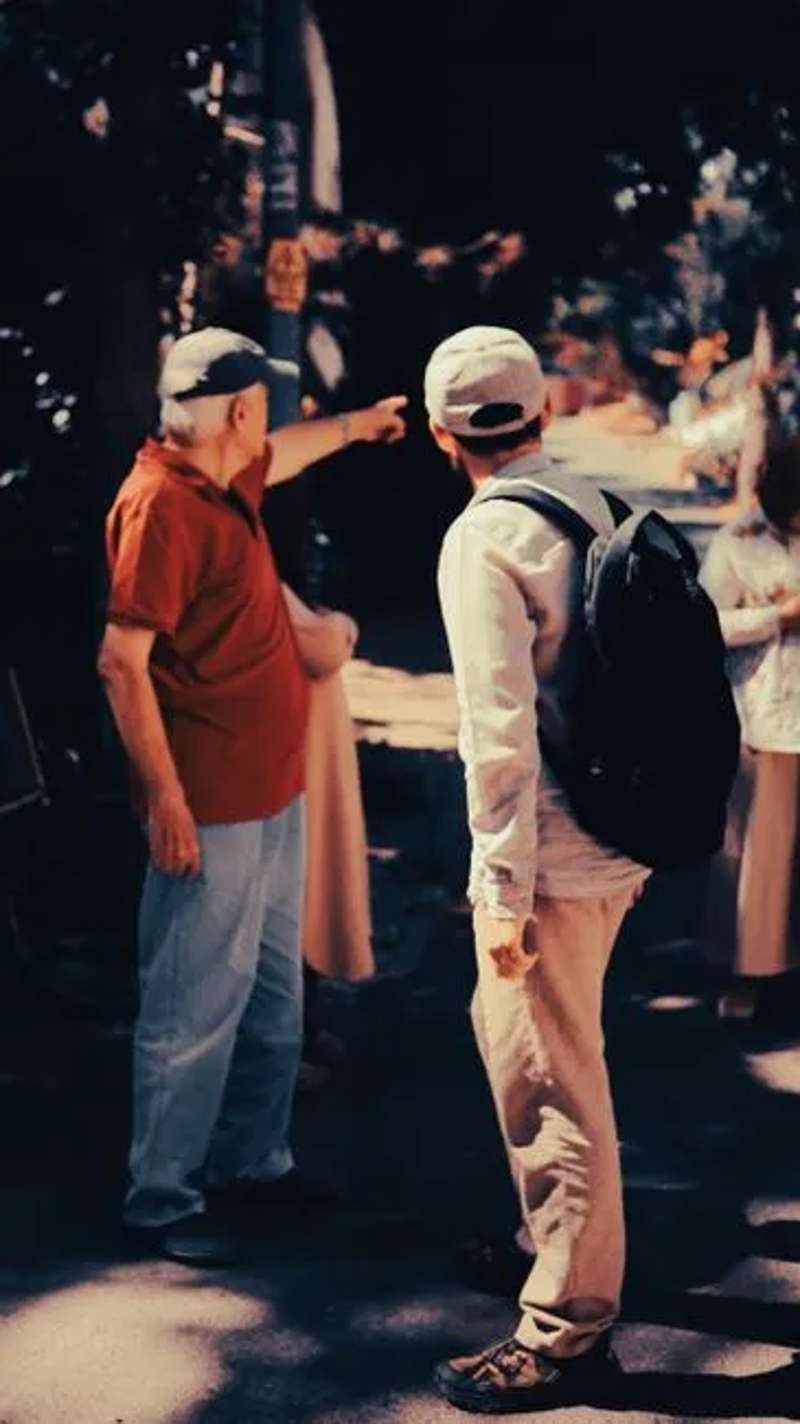
There’s a strong pull toward pulling out a phone rather than approaching a local for help, even when the map app is clearly struggling with a confusing intersection or a poorly marked trail. Many travelers admit they’d rather wander in the wrong direction for ten extra minutes than risk stumbling over pronunciation or getting a puzzled look in response. The fear isn’t really about getting lost, it’s about looking lost in front of someone else.
This hesitation tends to be strongest in places where the traveler doesn’t speak the local language fluently. Ironically, locals are often more patient and helpful than people expect, since giving directions to a visitor is a fairly low-stakes interaction for them. The awkwardness exists almost entirely in the tourist’s head, not in the actual exchange.
Sending food back at a restaurant
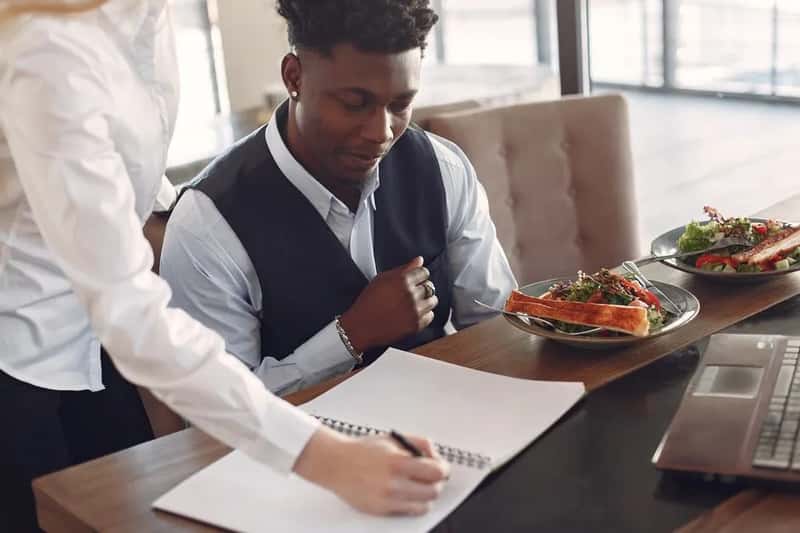
A dish arrives undercooked, or completely wrong, and instead of saying anything, the plate just gets eaten anyway. Complaining feels like drawing attention, especially in a country with different tipping norms or service customs that the traveler doesn’t fully understand. There’s a quiet worry about seeming demanding or rude in a culture that isn’t their own.
This avoidance shows up most with solo travelers and couples on romantic trips, where nobody wants to create tension during a meal meant to be relaxing. Restaurant staff, for their part, generally expect and welcome polite feedback, since it helps them fix the issue and keep the customer happy. The discomfort rarely matches the actual reaction a calm, respectful complaint would get.
Trying to speak the local language

Plenty of travelers memorize a handful of useful phrases before a trip, then freeze up and default to English the moment they’re actually face to face with a shopkeeper or waiter. The fear of mispronouncing a word, or being met with confusion, outweighs the desire to practice. So the phrasebook stays in the bag, and the moment passes.
What’s often overlooked is that even a clumsy attempt at “hello” or “thank you” in the local language tends to be received warmly rather than judged. Locals frequently notice and appreciate the effort more than the accuracy. Still, the embarrassment of getting it wrong in public feels bigger in the moment than the goodwill it usually earns afterward.
Eating alone in a restaurant
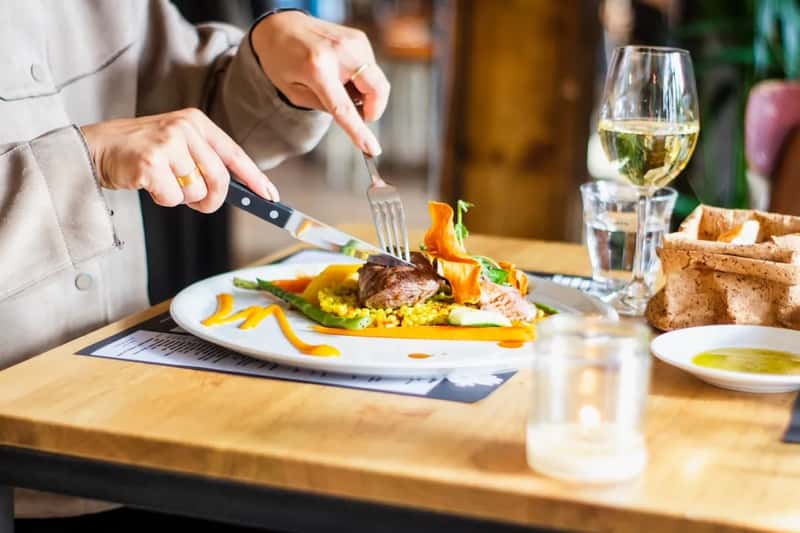
Solo dining in an unfamiliar city can feel exposing in a way that eating alone at home never does. There’s a self-consciousness about being seated at a table for one, especially in restaurants that feel geared toward couples or groups, and some travelers will skip a sit-down meal entirely and grab street food instead just to avoid the moment. It’s less about the food and more about being watched, even if nobody is actually paying attention.
Solo travel has grown steadily as a travel category in recent years, with more people booking trips alone for flexibility and independence. Restaurants in tourist-heavy areas have adapted with bar seating and communal tables partly because of this shift. Even so, the internal hesitation before walking in alone doesn’t disappear just because the option is more normalized now.
Wearing the “wrong” outfit for the destination

Overpacking is often less about preparation and more about anxiety, driven by a fear of standing out as obviously touristy or, worse, dressed inappropriately for local norms. Travelers will research clothing customs obsessively before visiting religious sites or conservative regions, worried about the embarrassment of being turned away or stared at. A single wrong choice, like shorts at a temple, feels disproportionately mortifying in the moment.
This concern is heightened in destinations with specific dress expectations, such as certain religious sites across parts of Europe and Asia that require covered shoulders or knees. Guides and websites now flag these rules more clearly than they did a decade ago, which helps, but the anxiety about getting it wrong persists regardless of how much research is done beforehand. Nobody wants to be the visitor turned away at the door.
Taking photos in crowded public spaces
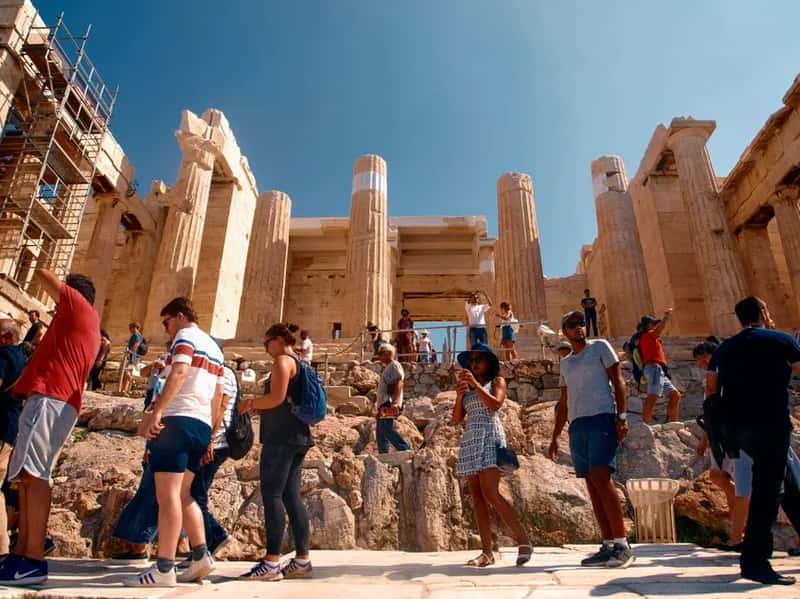
There’s a specific kind of hesitation that kicks in when someone wants a photo of a beautiful street or building but there are people around, watching, possibly judging the obvious tourist behavior. Many travelers will skip the shot entirely, or take it quickly and awkwardly from the hip, rather than pause, frame it properly, and risk looking self-indulgent. The fear of being perceived as “that tourist” often wins out over getting the photo they actually wanted.
This is especially common at famous landmarks where crowds are dense and everyone is technically doing the same thing, yet each person still worries they’re the one being noticed. Influencer culture has arguably made this more complicated, since posing confidently in public now reads as either normal or cringeworthy depending entirely on who’s watching. The result is a lot of blurry, rushed photos that could have been better with just a few more seconds of confidence.
Asking hotel or tour staff for help
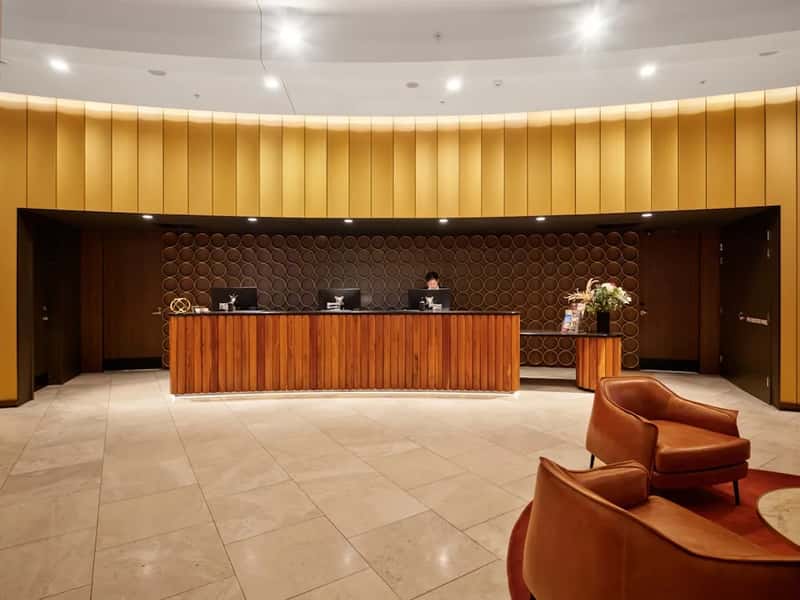
Concierge desks and tour guides exist specifically to answer questions, yet a surprising number of travelers avoid asking for basic help, whether it’s about transportation, restaurant recommendations, or how to use a hotel amenity. There’s a quiet worry about seeming needy, or asking something that feels too obvious to warrant a real question. So instead, people struggle through problems on their own that a thirty-second conversation could have solved.
This hesitation often costs travelers time and money, since staff frequently know shortcuts, discounts, or local insights that aren’t listed anywhere online. Hotels have increasingly trained front desk teams to anticipate these unspoken needs, offering printed maps or suggestion cards without being asked. Even with that effort, plenty of guests still hesitate to simply say what they actually need.
Dancing, singing, or joining group activities
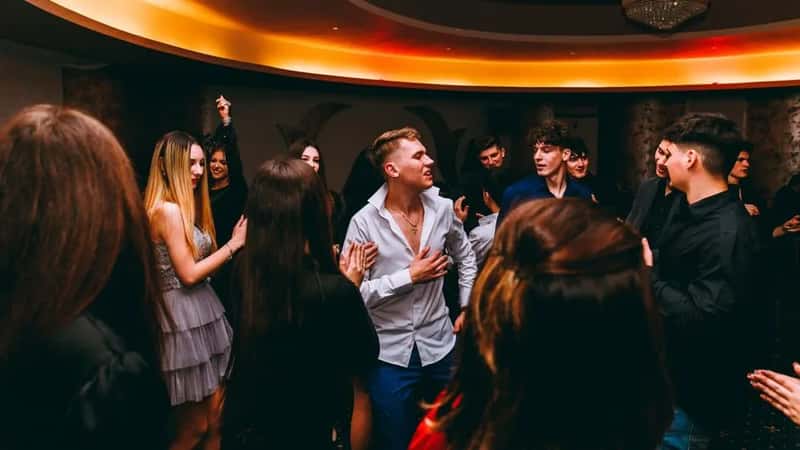
Group excursions, from salsa lessons in Havana to karaoke nights on cruise ships, often have willing participants standing at the edges rather than joining in. The fear of looking foolish in front of strangers, people they’ll likely never see again, keeps many travelers rooted in observer mode instead of participant mode. It’s a strange contradiction, since the anonymity of travel should make this easier, not harder.
Tour operators have noticed this pattern and increasingly build in low-pressure entry points, like optional participation or smaller group sizes, to ease people into activities gradually. Even so, the first few minutes of any group activity tend to separate the room clearly into those willing to look a little silly and those who’d rather just watch. Most people who do join in later admit they wish they’d started sooner.
Admitting they don’t understand the currency or prices
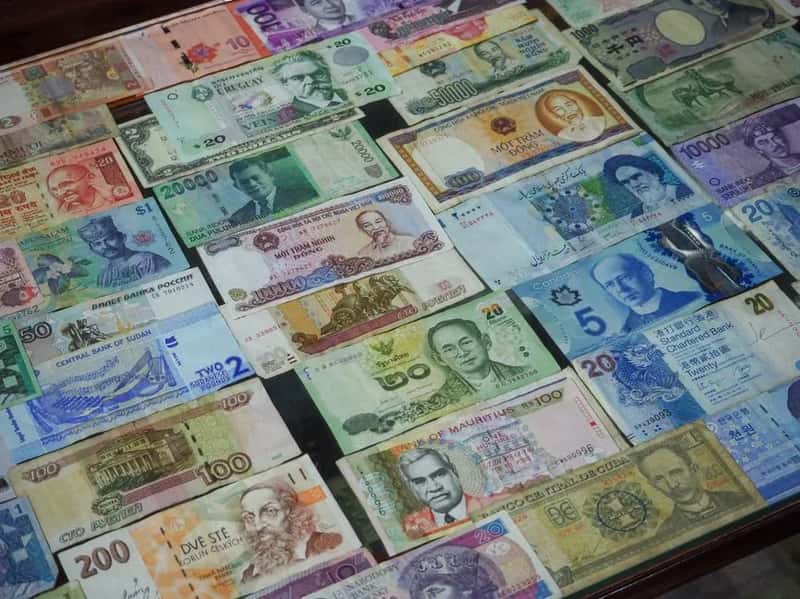
Quick mental math with an unfamiliar currency trips up even experienced travelers, but admitting confusion out loud, especially mid-transaction, feels embarrassing in a way that fumbling with a calculator app privately does not. Many people will just hand over cash and hope the change is correct rather than ask a vendor to clarify the price. This avoidance can lead to real financial mistakes, particularly in countries with currencies that have very different exchange rates or unfamiliar denominations.
Digital payment apps and currency converters have made this somewhat easier over the past few years, reducing some of the on-the-spot pressure that used to come with counting unfamiliar coins in front of a cashier. Still, the moment of hesitation before asking “how much is that in dollars” or “can you break this down for me” remains a small but common source of travel anxiety. It’s a minor thing, but it adds up across a trip full of small transactions.
None of these moments are really about the actual risk involved. They’re about the imagined audience, the version of embarrassment that exists mostly in the traveler’s own head rather than in how strangers actually respond. Most locals, staff, and fellow travelers are far too busy with their own trips to notice, let alone judge, the small stumbles that feel so large in the moment.