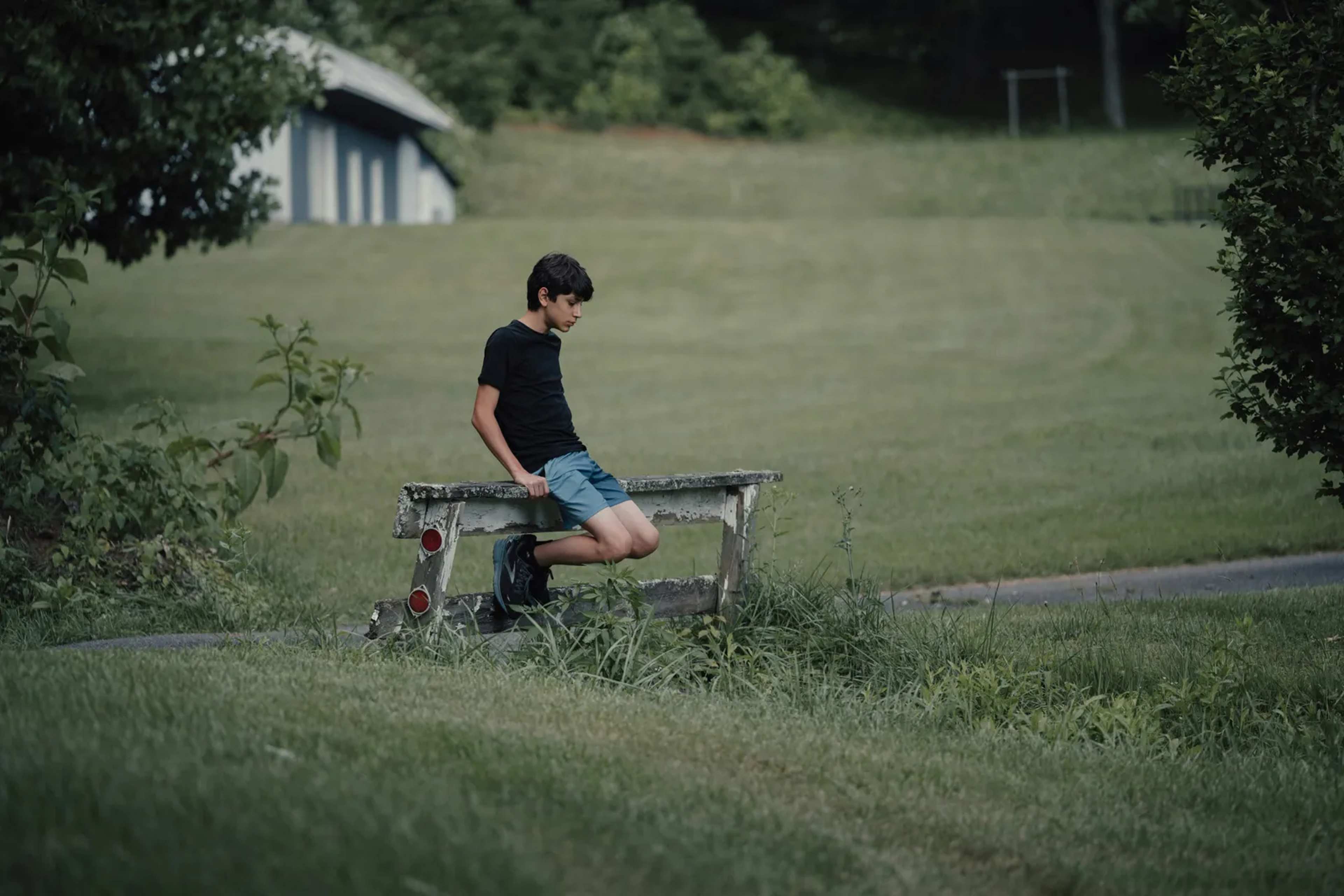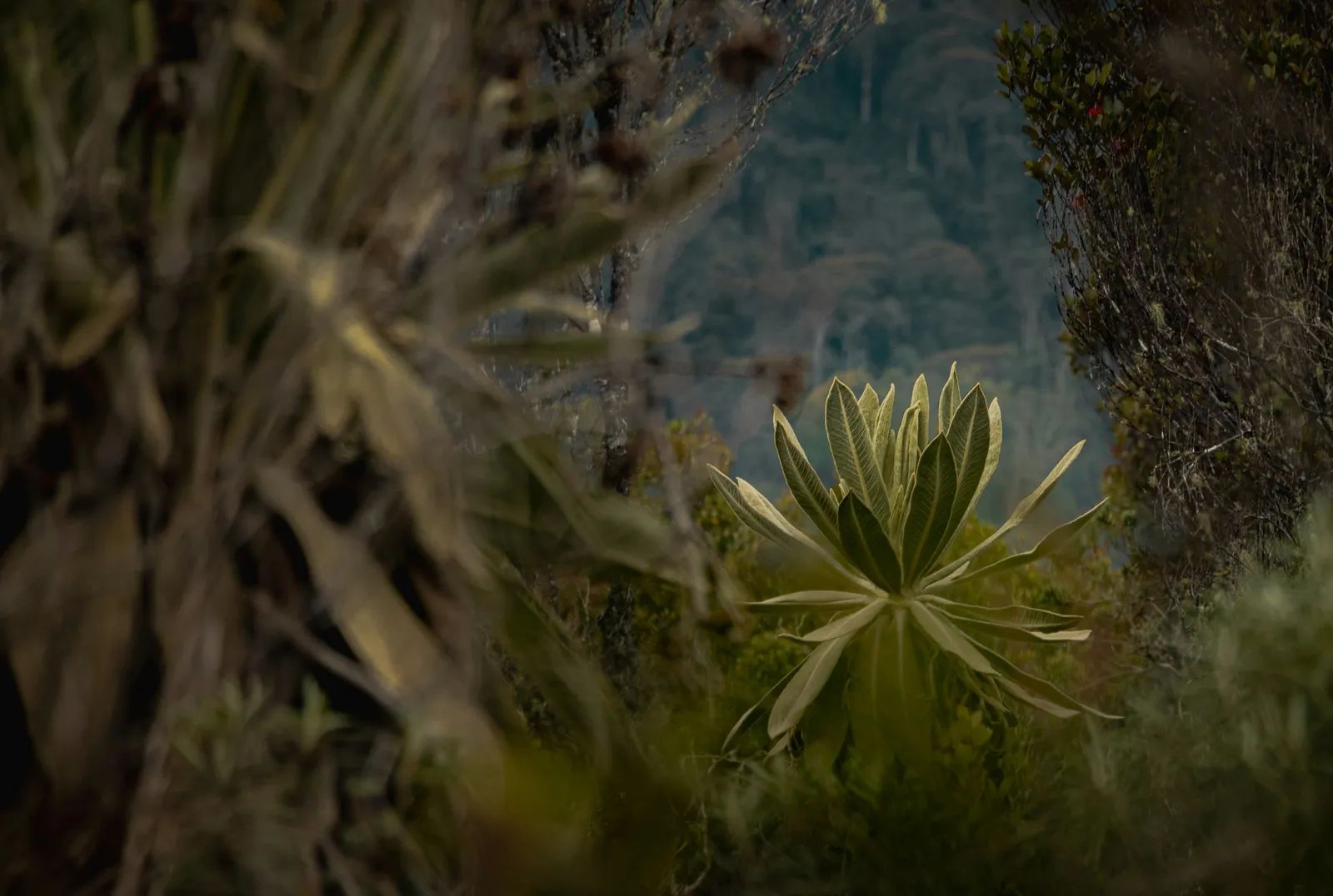
In the remote highlands of Villa de Arma, residents face a direct threat to their daily water supply as glaciers continue to shrink. The community, perched at roughly 3,200 meters in Peru’s Huancavelica region, has watched the snow and ice that once blanketed the peaks give way to exposed rock. Elders recall stories of the Apus, the mountain spirits believed to guard the landscape, yet the practical concern now centers on reliable water for homes, farms, and the valleys below. ([1])
Glacier Loss Creates Immediate Pressure on Water Supplies
Over the past six decades, Peru has lost approximately 56 percent of its glacier mass. These ice fields have long served as natural reservoirs, releasing water steadily into rivers that reach both highland communities and the arid Pacific coast. Villa de Arma sits at a key point in the watershed that feeds the Chincha Valley, making the local stakes especially clear.
Without the steady melt from higher elevations, seasonal flows become less predictable. Farmers and households downstream already notice shorter periods of reliable water. The change affects irrigation schedules, livestock needs, and the overall stability of the valley economy that depends on mountain runoff.
Local Knowledge and the Apus Guide Restoration Priorities
Residents of Villa de Arma draw on generational stories about the Apus to frame their relationship with the surrounding peaks and wetlands. These narratives emphasize respect for the high-mountain environment and the need to maintain its capacity to hold and release water. Field technician Edison Sánchez Toscano, who works with the Peruvian NGO Asociación Ecosistemas Andinos, notes that community members worry about future shortages that could leave them with nothing.
That concern has translated into support for restoring wetlands and native forests that once buffered the landscape. These ecosystems act as sponges, capturing rainfall and snowmelt before releasing it gradually. Unlike glaciers, they can be actively managed and expanded even as ice continues to retreat.
ECOAN Project Targets Watershed Protection
In 2025, ECOAN began a partnership focused on securing water through ecosystem restoration in the Villa de Arma area. The effort concentrates on reviving ancient wetland systems and re-establishing native vegetation that historically supported steady water flow. Technicians work directly with residents to identify priority sites and monitor changes in soil moisture and stream levels.
Early activities include mapping degraded areas and planting species adapted to the high-altitude conditions. The approach combines scientific monitoring with community input on where water storage has declined most noticeably. Results are expected to improve both local supply reliability and downstream availability in the Chincha Valley.
Stakeholders Weigh Long-Term Outcomes
Highland communities, downstream agricultural zones, and conservation groups all stand to gain from sustained water flows. The timeline for measurable improvements stretches across several years as restored wetlands mature and vegetation cover increases. Local leaders emphasize that success depends on continued participation from residents who understand the terrain and its seasonal patterns.
National water planners also track these efforts because glacier retreat affects multiple regions. Restoring high-Andes ecosystems offers one practical complement to other adaptation measures. The work in Villa de Arma illustrates how targeted restoration can address both immediate needs and longer-term security for an entire watershed.