Five years ago I packed two suitcases, said goodbye to a life I’d built for three decades, and boarded a one-way flight to start over somewhere new. Looking back, I don’t regret the decision itself. What I regret are the shortcuts I took getting there, the paperwork I ignored, and the assumptions I made that cost me time, money, and more than a few sleepless nights.
If you’re thinking about making a similar move, or you’ve already landed and are still finding your footing, I hope these lessons save you from repeating my mistakes. Some of them seem obvious in hindsight. Others only became clear years later, when the consequences finally caught up with me.
1. Ignoring My US Tax Obligations for Too Long
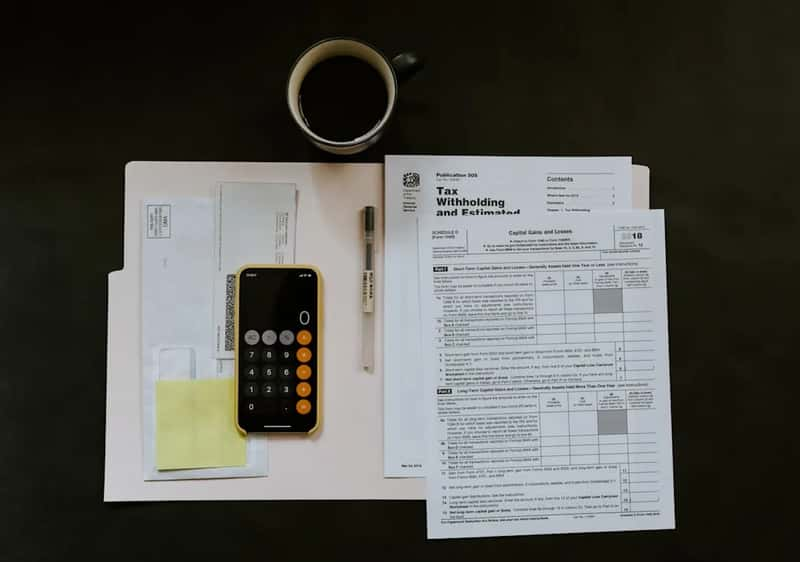
I genuinely believed that once I left the country, my tax responsibilities left with me. That’s not how it works if you’re American. Americans owe taxes on their income no matter where they earn it worldwide. I didn’t file a return for my first year abroad because I assumed my foreign salary simply didn’t count, and that assumption nearly turned into a real problem when I finally sat down with an accountant.
The frustrating part is that there’s actually relief built into the system, if you know to ask for it. You can qualify to exclude income earned overseas from your income taxes, called the foreign earned income exclusion, along with the foreign housing deduction and the foreign housing exclusion. For the 2025 tax year, the maximum foreign earned income exclusion is the lesser of the foreign income earned or $130,000 per qualifying person, and for tax year 2026, the maximum exclusion is $132,900 per person. I lost out on real savings simply because I didn’t file at all that first year.
2. Never Learning About the FBAR Requirement
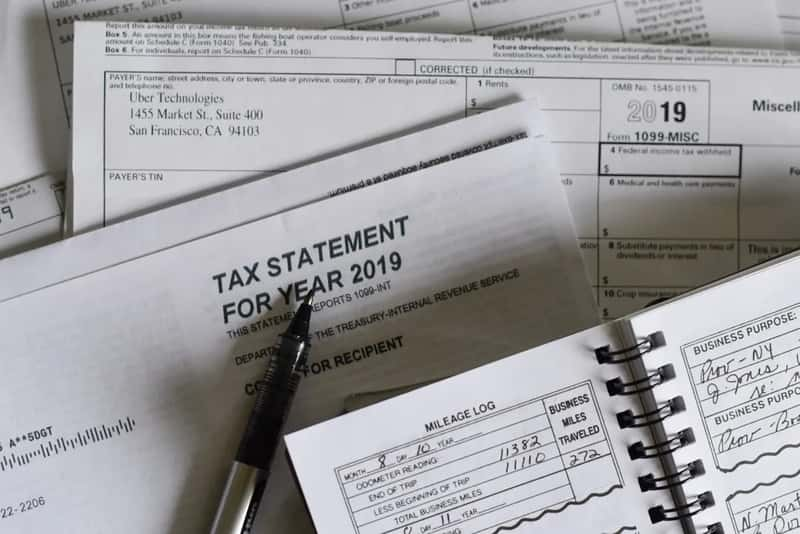
This one embarrasses me the most. I opened a local bank account within my first month abroad, and it never occurred to me that having a foreign account came with its own separate reporting obligation to the US Treasury, completely apart from my regular tax return. It took a conversation with another expat, almost two years in, to even learn this rule existed.
The requirement is more far-reaching than most people expect. A United States person that has a financial interest in or signature authority over foreign financial accounts must file an FBAR if the aggregate value of the foreign financial accounts exceeds $10,000 at any time during the calendar year. What really surprised me was that the $10,000 threshold applies to the total of all accounts combined, not to each account individually, so even a couple of modest accounts can trigger the filing requirement. I had to go back and file late, which was stressful and entirely avoidable if I’d simply asked a professional before I moved instead of after.
3. Underestimating How Long It Would Take to Feel At Home

I pictured myself settling in within a few months, fluent in the local rhythm of life and surrounded by close friends by the end of year one. That’s not remotely how it went. The first eighteen months were lonelier and more disorienting than I expected, and I spent far too much energy being frustrated with myself for not adjusting faster instead of just letting the process take its natural course.
Nobody warned me that homesickness doesn’t fade in a straight line. It comes in waves, often triggered by something small like a holiday back home or a food you can’t find locally. I wish I’d given myself more grace early on instead of treating slow adjustment as a personal failure.
4. Relying Too Heavily on Other Expats and Ignoring Locals

It’s easy to gravitate toward people who speak your language and understand your cultural references. In my first year, nearly all my social circle was other expats, and while that community was genuinely comforting, it also became a bit of a bubble that slowed down how quickly I integrated into everyday local life.
Once I finally started making local friends, everything shifted. My language skills improved faster, I understood local customs and unspoken social rules far better, and daily errands stopped feeling like small obstacle courses. I regret not pushing myself out of the expat bubble sooner, since that single change did more for my sense of belonging than almost anything else.
5. Putting Off Language Learning Until It Felt Urgent

I told myself I’d pick up the language naturally just by living there, and that formal lessons could wait. That approach mostly failed. Passive exposure taught me enough to order food and navigate basic transactions, but it left me stuck at a fairly shallow conversational level for far longer than necessary.
It wasn’t until I committed to structured lessons, a few years in, that my comprehension and confidence actually improved. Bureaucratic appointments, medical visits, and even simple friendships all became easier once I could communicate with real nuance instead of relying on translation apps or hopeful gestures. Starting seriously from month one instead of year three would have spared me a lot of unnecessary friction.
6. Not Planning Far Enough Ahead for Visa and Residency Renewals
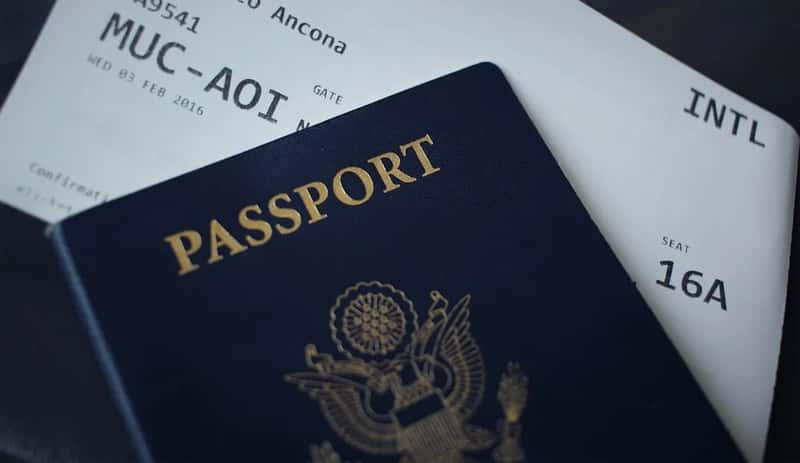
I treated my initial visa approval as the finish line rather than the start of an ongoing process. Renewal deadlines, document requirements, and proof-of-income thresholds all vary by country, and I learned the hard way that waiting until the last minute to gather paperwork creates unnecessary panic, especially when local bureaucracies move slowly or require documents translated and notarized in advance.
Long-term residency and eventual citizenship pathways also require careful tracking of how much time you spend in and out of the country, since many programs have minimum presence requirements. I wish I had built a simple calendar system from day one instead of scrambling to reconstruct my travel history whenever a renewal deadline approached.
7. Letting My Home Country Financial Ties Lapse

In an effort to simplify my life, I closed accounts and let certain financial relationships back home fade out, assuming I’d never need them again. That decision came back to bite me when family circumstances required me to briefly return, and I discovered how difficult it can be to rebuild banking relationships and credit history in a country you’ve been absent from for years.
Maintaining at least one active bank account, a credit card kept in good standing, and a mailing address you can still access turned out to matter more than I expected. Even if you’re certain you’ll never move back permanently, keeping a light financial footprint at home gives you flexibility if plans change, and plans change more often than people admit when they first move abroad.