Some travelers pick a destination first and look for events later. Others do it the other way around, building a whole trip around one parade, one lantern night, or one very large tent full of beer. If you’re in the second group, the calendar matters as much as the map.
The 15 countries below have something worth traveling for in nearly every season. Where a festival’s 2026 dates are known, they’re included. Many others follow lunar or religious calendars, so check official listings before you book.
Japan: Snow Sculptures to Summer Dance Nights
Japan’s winter opens with the Sapporo Snow Festival. The 2026 edition ran from Wednesday, February 4, to Wednesday, February 11.[1] It marked the festival’s 76th anniversary.[2] Around two million visitors gather in Sapporo for it.[3]
The event started small. In 1950, six local high school students built six snow statues in Odori Park.[4] The rest of the year keeps going, with cherry blossom viewing in spring, Kyoto’s Gion Matsuri through July, and the Awa Odori dance parades in Tokushima around mid August. Autumn leaf viewing and winter illuminations fill most of what’s left.
Thailand: Water Fights and Floating Lanterns
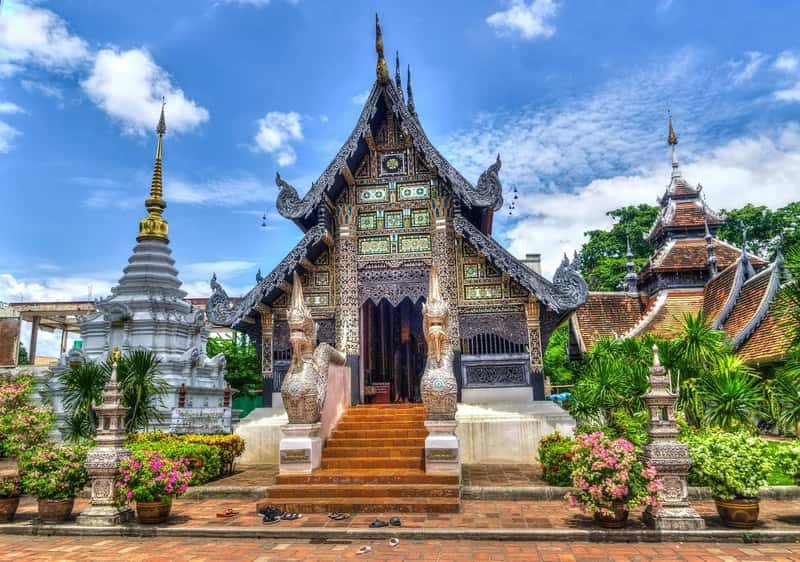
Songkran is Thailand’s traditional New Year, and it’s famous for water. The 2026 celebration ran from 13 to 15 April.[5] UNESCO inscribed it on its Intangible Cultural Heritage list on 6 December 2023.[6]
The scale is large. The Tourism Authority of Thailand projected about 30.35 billion baht in tourism revenue for 11 to 15 April 2026, a rise of 6 percent on the year before.[6] The Hatyai Midnight Songkran drew more than 500,000 people over four days.[6] Later in the year come Loy Krathong, when floating baskets are set on rivers, and the lantern celebrations of Chiang Mai.
Germany: Beer Tents, Carnival and Christmas Markets
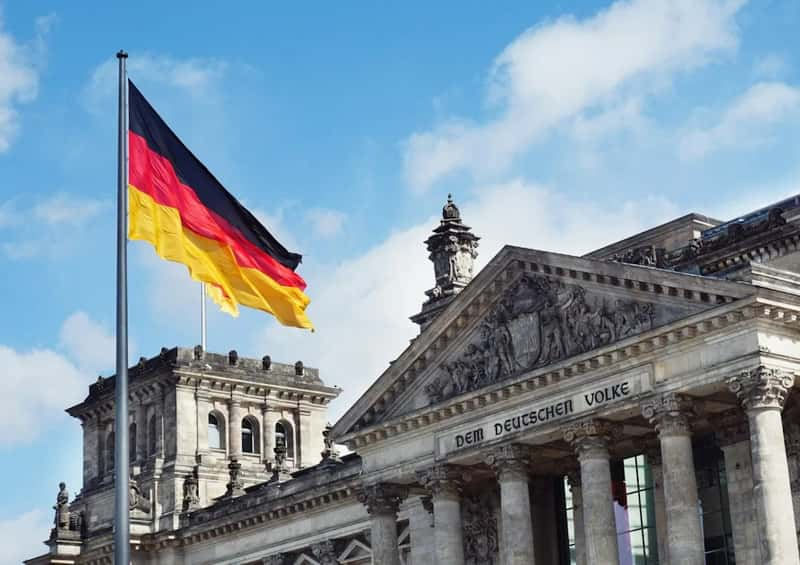
Oktoberfest is the obvious headline. The 2026 edition ran for 16 days, from 19 September to 4 October, on Munich’s Theresienwiese.[7] It was the 191st Wiesn.[7]
Visitor numbers are huge. Around seven million people attend, and 2023 set a record at 7.2 million.[8] Still, Germany’s party season doesn’t stop there. Rhineland cities such as Cologne hold street Karneval before Lent, and the Christmas markets, including the famous one in Nuremberg, light up towns from late November.
Brazil: Samba Schools and a Calendar Full of Street Parties
Rio’s Carnival is the one everyone knows. Guinness World Records lists it as the largest single carnival parade in the world.[9] In 2026, twelve samba schools competed across three nights at the Sambadrome, while more than 400 free street blocos ran from February 14 to 18.[10]
Brazil doesn’t wait a year for the next excuse. Festa Junina celebrations fill June with bonfires, folk dances and corn based treats, and the Parintins Folklore Festival in the Amazon takes place in late June. On New Year’s Eve, Copacabana beach becomes one of the country’s biggest gatherings.
India: Colors, Lights and Camels
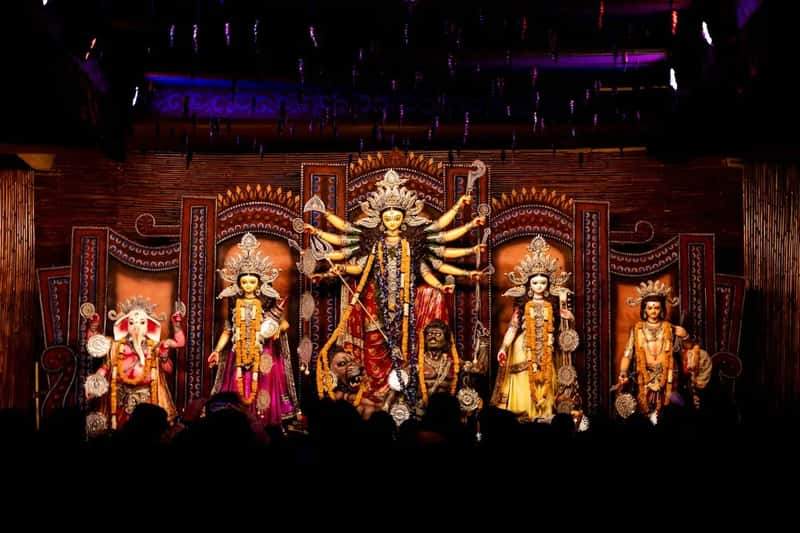
India’s festival year follows lunar and seasonal calendars, so exact dates move. Makar Sankranti in January brings kite flying, especially in Gujarat. Holi in March throws colored powder across the country to mark spring’s arrival.
Autumn is crowded. Durga Puja turns Kolkata into an open air gallery, Diwali lights up homes in October or November, and the Pushkar Camel Fair gathers traders and tourists in Rajasthan around the same season. December brings the Hornbill Festival in Nagaland, which showcases the state’s many Naga communities. The pace honestly rarely slows.
Spain: Fire, Bulls and Tomatoes
Spain’s calendar is packed with local fiestas, many of them built around a single wild idea. Las Fallas in Valencia fills March with fireworks and giant sculptures that are burned on the final night. Semana Santa brings solemn processions through Seville in the days before Easter.
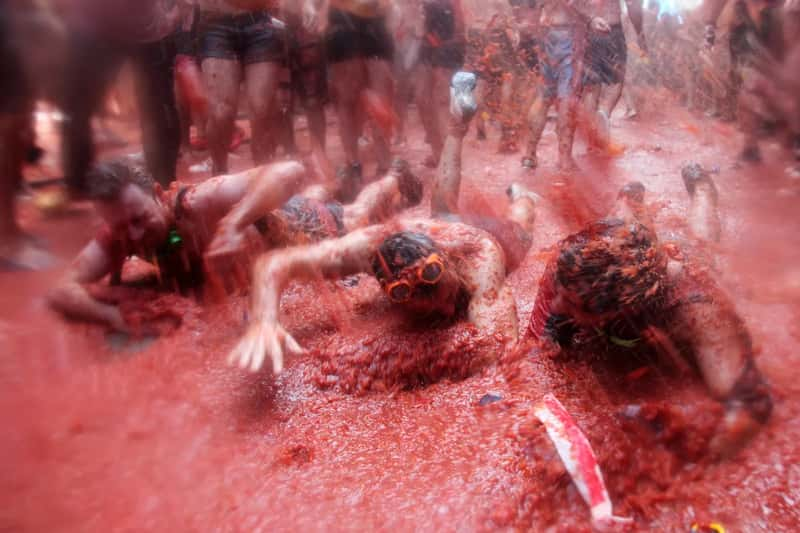
Summer turns louder. San Fermín in Pamplona runs from July 6 to 14, the famous bull runs included. La Tomatina in Buñol, a huge tomato fight, is held on the last Wednesday of August. The year wraps up with the Three Kings parades on the evening of January 5.
Italy: Masks, Horse Races and Opera Under the Stars
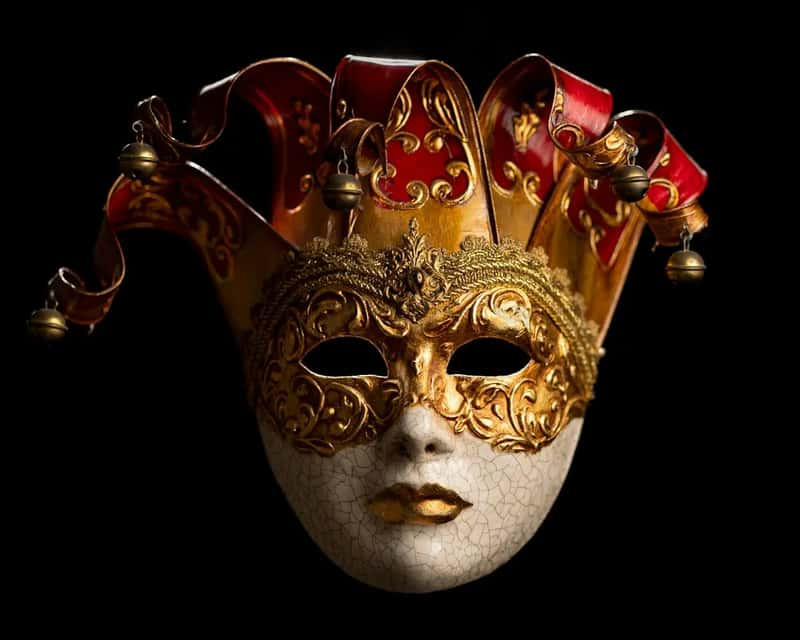
Italy’s headline events are mostly seasonal. February belongs to the Venice Carnival and the parade floats of Viareggio. Siena’s Palio, a bareback horse race around the central square, is run on July 2 and August 16.
Summer evenings are for music. The Arena di Verona hosts an opera season in an ancient Roman amphitheater, and Umbria Jazz fills Perugia in July. Autumn shifts toward food, with the white truffle fair in Alba running through October and November.
Mexico: Remembering the Dead and Celebrating the Living
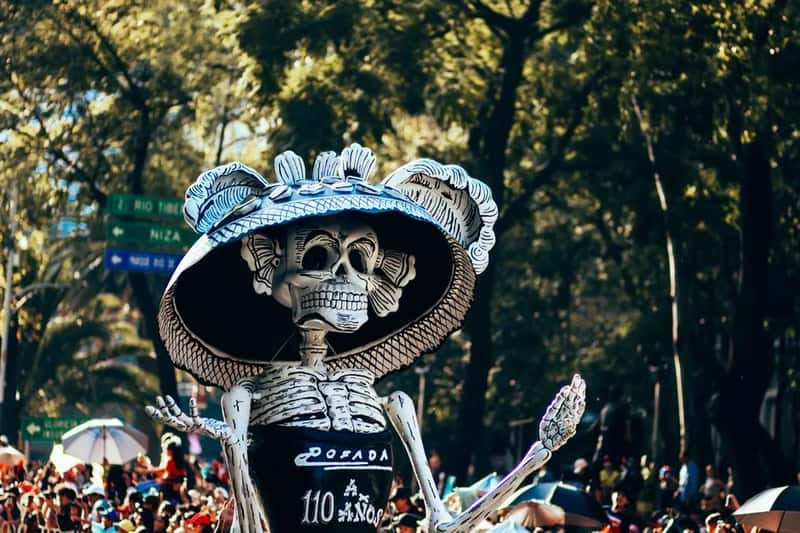
Day of the Dead on November 1 and 2 is Mexico’s best known celebration. UNESCO recognized the tradition in 2008. Families build altars, decorate graves with marigolds, and share food in memory of loved ones.
Other months aren’t quiet. Veracruz holds a big Carnival before Lent, and Oaxaca’s Guelaguetza brings regional dance delegations together in July. Mexican Independence Day is marked on the night of September 15 with the Grito, and Guanajuato’s Cervantino Festival fills October with arts. Oaxaca finishes the year on December 23 with the Night of the Radishes, a contest of carved radish sculptures.
Philippines: A Festival for Nearly Every Town
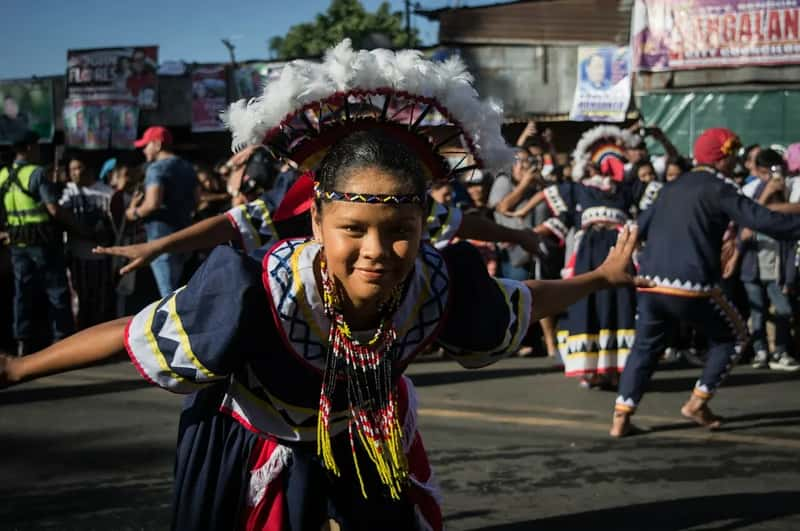
The Philippines is often described as a country of fiestas, because most towns honor a patron saint with a street celebration. Ati-Atihan in Kalibo and Sinulog in Cebu both take place in January, with drums, costumes and crowds dancing through the streets. Baguio’s Panagbenga flower festival follows in February.
The rhythm continues through the year. Lucban’s Pahiyas Festival in May covers houses in colorful rice wafers and vegetables. The MassKara Festival in Bacolod arrives in October, with its smiling masks. Christmas stretches from September to January in practice, and San Fernando’s lantern displays are a highlight.
United States: Parades, Desert Camps and Big Stages
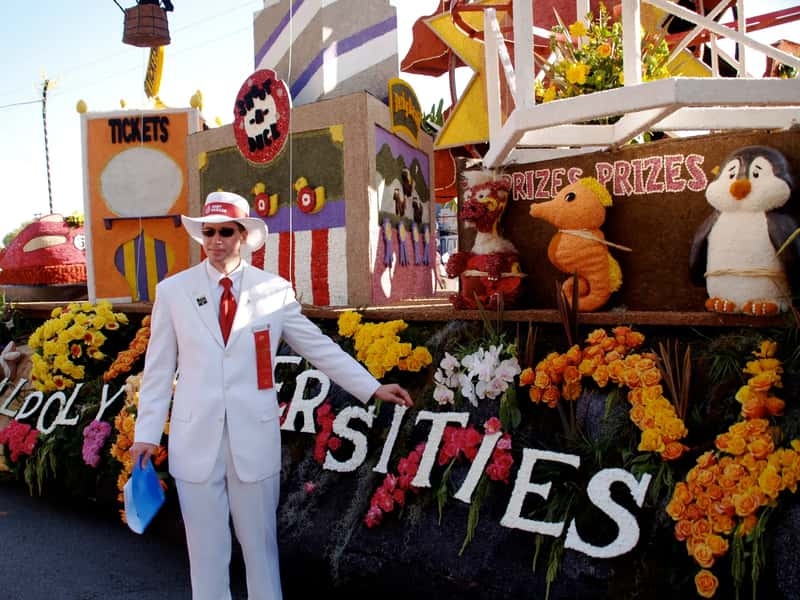
The United States doesn’t have one national festival calendar, but it has a few huge anchors. Pasadena’s Rose Parade rolls on January 1. New Orleans holds Mardi Gras before Lent, and Coachella fills the California desert in April.
Late summer brings Burning Man, a temporary city built in Nevada’s Black Rock Desert. Autumn is tied to Halloween and the Macy’s Thanksgiving Day Parade in New York, a tradition that dates back to 1924. In many cities, local street fairs and music events fill the gaps.
Colombia: Carnivals From the Andes to the Caribbean
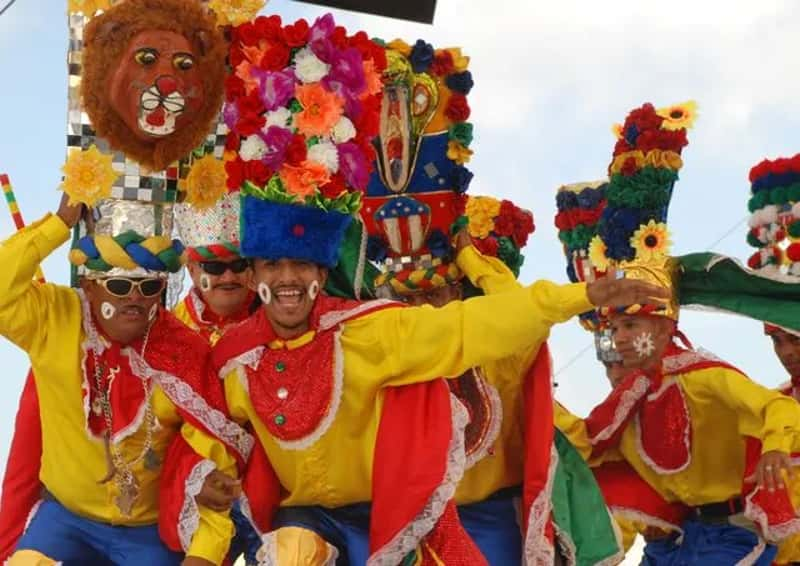
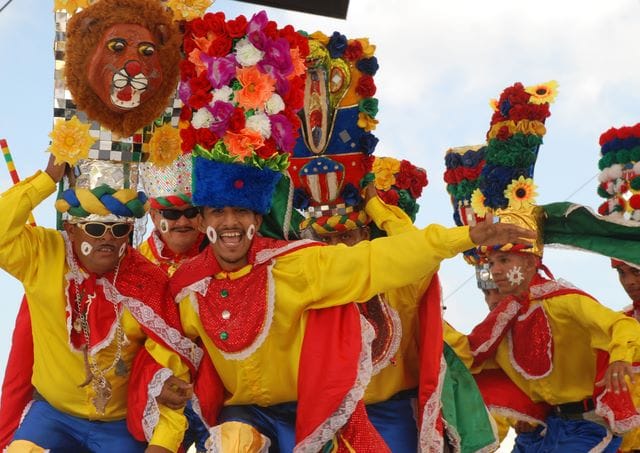
Colombia starts the year in Pasto, where the Carnival of Blacks and Whites runs in early January. Barranquilla’s Carnival, a major pre Lent event, has been recognized by UNESCO and mixes cumbia, costumes and street theater. The two events show how different the country’s regions feel.
August is a standout month. Medellín’s Flower Fair features the silleteros, farmers who carry elaborate flower arrangements on their backs. Around the same time, Cali hosts the Petronio Álvarez festival, a major showcase for Pacific coast music. Cartagena, meanwhile, adds a film festival in the first part of the year.
United Kingdom: Fireworks, Fringes and Street Carnivals
The UK has a festival culture that spans four nations. Shetland’s Up Helly Aa fire festival lights up Lerwick in January, and Edinburgh’s Hogmanay closes the year on December 31. In August, the Edinburgh Festival Fringe takes over the Scottish capital.
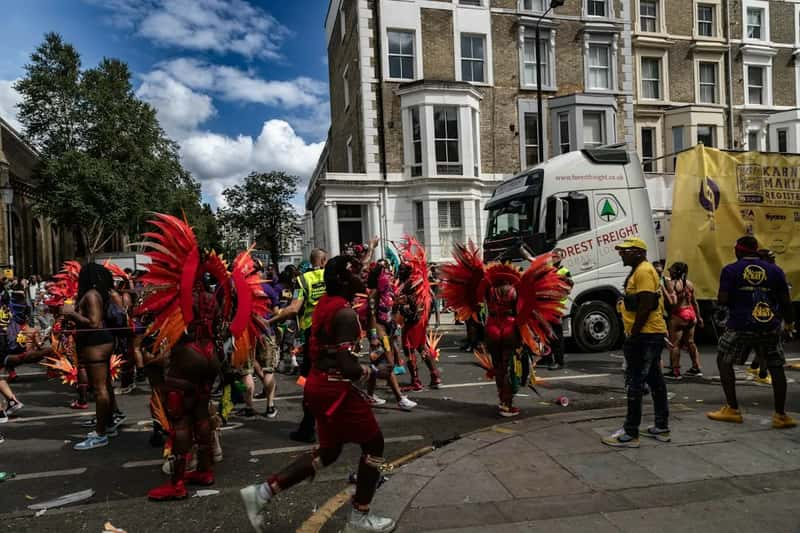
London’s Notting Hill Carnival, a Caribbean celebration, takes over the streets on the August bank holiday weekend. Autumn has Bonfire Night on November 5, with Lewes in Sussex known for its large processions. Spring and early summer fill with literary and music events such as the Hay Festival in Wales.
Peru: Inca Rituals and Andean Devotion
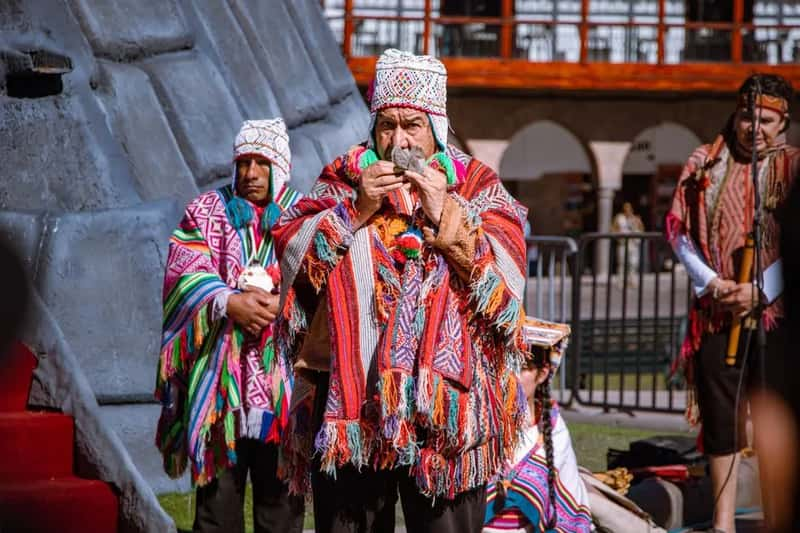
Peru’s festival year is tied to the Andean calendar and to Catholic traditions. In February, Puno holds the Fiesta de la Candelaria, a UNESCO recognized celebration full of dancers and brass bands. June 24 brings Inti Raymi in Cusco, a ceremony honoring the sun at the winter solstice.
July has the Virgen del Carmen festival in Paucartambo, with masked dance troupes. In October, Lima turns purple for the Lord of Miracles processions, among the largest religious events in the country. Qoyllur Rit’i, a high altitude pilgrimage, adds another layer of tradition around May and June.
Trinidad and Tobago: Steelpan, Soca and Seasonal Traditions
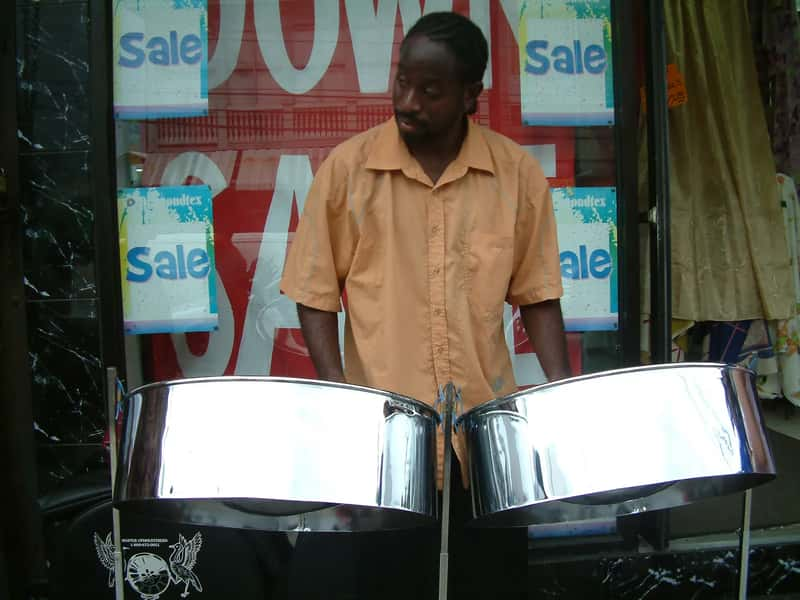
Trinidad’s Carnival takes place on the Monday and Tuesday before Ash Wednesday, the same Lenten calendar that sets Rio’s dates. The weeks leading up are filled with soca competitions, steelpan contests and costume launches. The islands are the birthplace of the steelpan, which makes the music feel especially at home here.
Other parts of the year have their own character. Divali Nagar celebrates the Hindu festival of lights in October or November, and Tobago’s Heritage Festival brings folk traditions to villages in July and August. The Christmas season belongs to parang, a Spanish influenced style of seasonal music.
South Korea: Ice Fishing, Cherry Blossoms and Lanterns
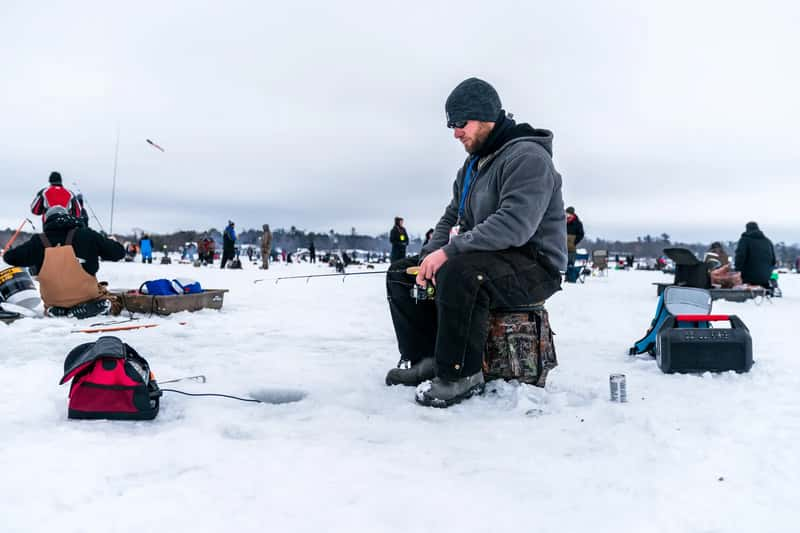
South Korea packs a lot into a small country. January has the Hwacheon ice festival, where visitors fish through holes in a frozen river. Cherry blossoms draw crowds to Jinhae in early April, and the Lotus Lantern Festival lights Seoul in May before Buddha’s birthday.
Summer is messier, and for good reason. The Boryeong Mud Festival happens in July on the west coast. Autumn has the Busan International Film Festival in October, and Seoul’s lantern displays along Cheonggyecheon stream appear in November.