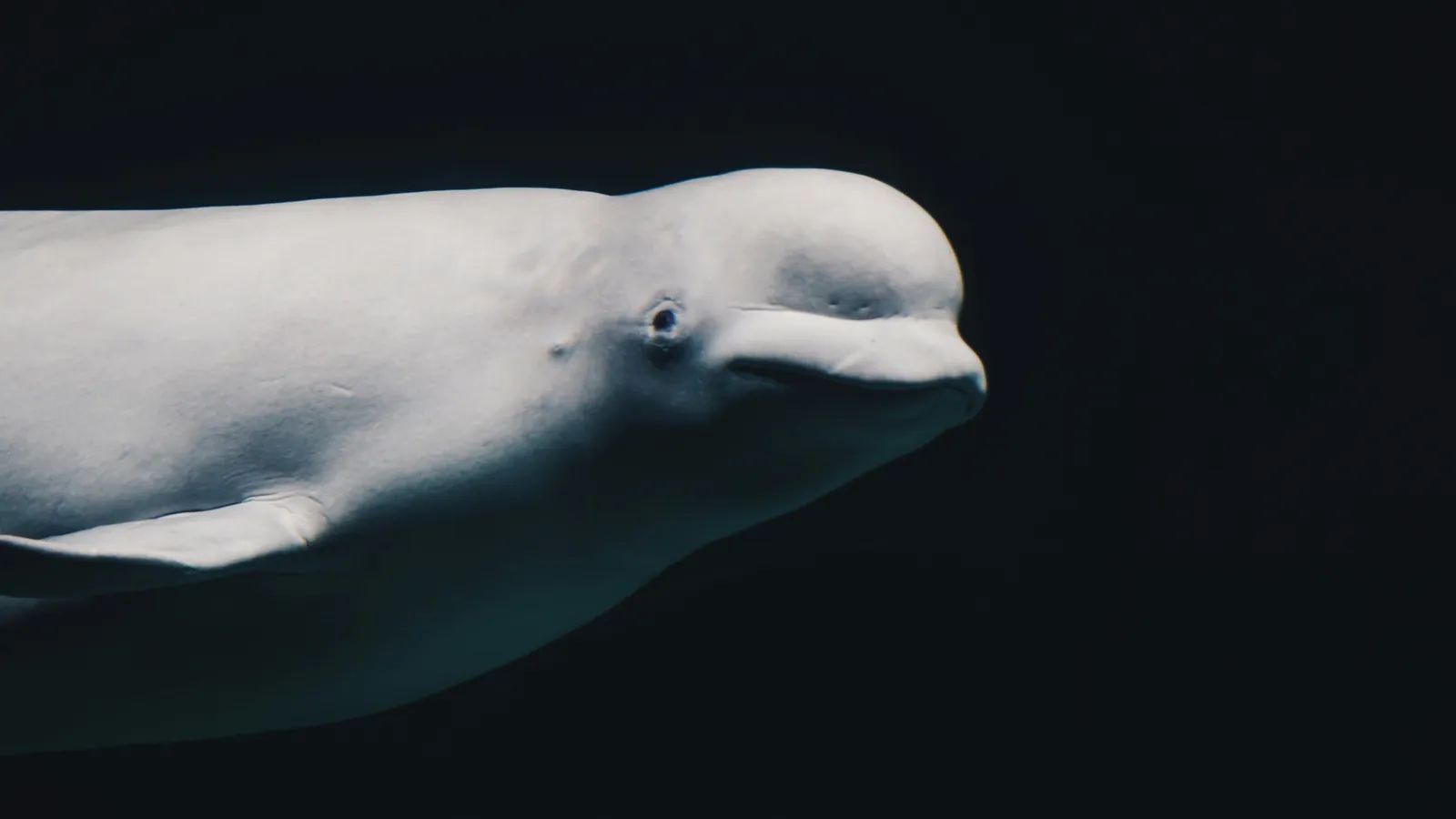
The transfer of 30 belugas from a shuttered Canadian marine park was meant to offer a fresh start for animals that had spent years in uncertain conditions. Instead, six of them have died within weeks of arriving at new facilities in the United States and Spain. The losses represent one-fifth of the group moved in a coordinated effort that followed years of legal and logistical challenges.
A Long Road to Relocation
Marineland in Niagara Falls, Ontario, closed its doors to the public in 2025, leaving its beluga population in limbo. The park had already faced restrictions after Canada enacted the Ending the Captivity of Whales and Dolphins Act in 2019, which prohibited keeping cetaceans for entertainment. For more than a year the whales remained at the site while officials searched for permanent homes. The eventual solution involved a consortium of accredited aquariums that arranged the movement of all 30 animals. Transports took place in July and August, spreading the belugas across several locations abroad. The operation marked one of the largest single transfers of captive belugas in recent memory.
Scale of the Effort
Moving such a large pod required careful planning across international borders and multiple institutions. Sixteen belugas went to facilities in California and Texas, while another ten reached an aquarium in Chicago. Two more were placed in Atlanta, and the final pair traveled to a center in Spain that also accepted four bottlenose dolphins from the same park. The animals had endured extended periods of uncertainty, including earlier proposals that ranged from euthanasia to relocation to an entertainment venue in China. The approved plan ultimately prioritized accredited facilities under established welfare standards. Still, the rapid sequence of deaths has raised questions about how the transition affected the whales.
Recent Losses and Their Reach
Six belugas have died in the two months since the transfers began. The toll has drawn attention to the difficulties of relocating large marine mammals that spent most of their lives in one location. One of the animals, a 23-year-old female named Peekachu, arrived at her new home in mid-August already facing health challenges, including impaired vision. The deaths come at a time when public interest in captive cetaceans remains high. Supporters of the rescue had hoped the move would improve living conditions for animals that could no longer remain in Canada. The sudden losses have instead cast a pall over what many viewed as a positive step forward.
Looking Ahead
The remaining belugas continue to adjust to their new surroundings under close veterinary supervision. Officials at the receiving facilities have not released detailed information on individual cases, citing ongoing assessments. The episode underscores the complexities involved in large-scale animal relocations, even when conducted by experienced organizations. Canada’s 2019 law effectively ended the era of commercial cetacean displays in the country. The Marineland transfers represent the final chapter for those particular animals, yet the recent deaths illustrate that finding suitable long-term homes remains an evolving challenge. Observers will watch closely to see how the surviving whales fare in the months ahead.