Hosting Thanksgiving often feels like a race against the clock, with the cook left standing at the stove while everyone else gathers around the table. The key to changing that dynamic lies in a clear plan that spreads the work across days and people. This approach turns the holiday into a shared experience rather than a solo performance. ([1])
Lock in the Basics Before Anything Else
Four decisions set the entire day in motion. First, settle on the guest count, which determines turkey size, seating, and how much of each dish to prepare. Next, fix the dinner hour so every other step can work backward from that time. Then sort the menu into three categories: dishes to make, items to buy, and contributions to delegate. Finally, ask about dietary needs when invitations go out rather than the day before. These choices keep later decisions simple and prevent last-minute scrambles. They also create space for flexibility once the guest list and timing are firm.
Shape a Realistic Menu Around Make, Buy, and Delegate
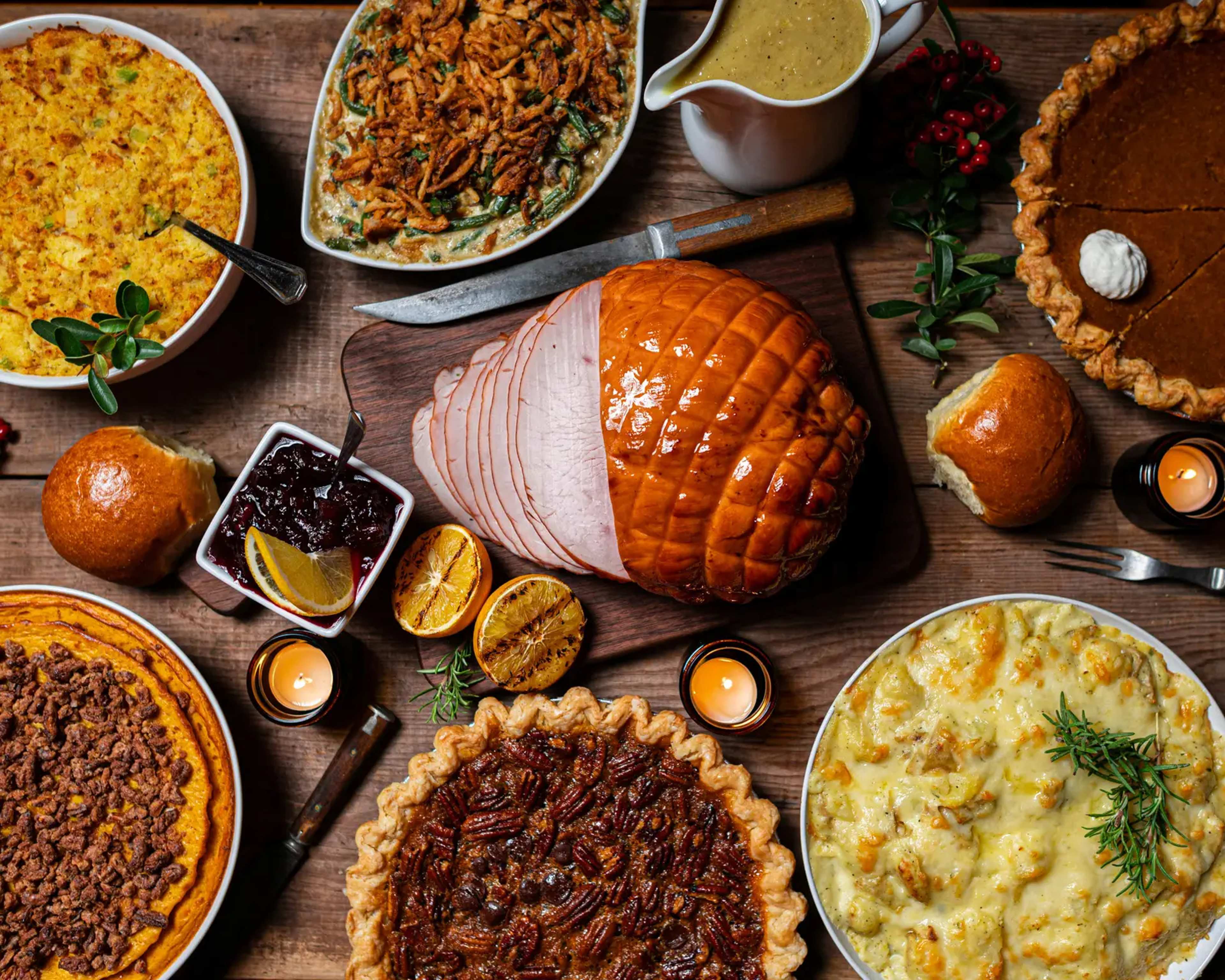
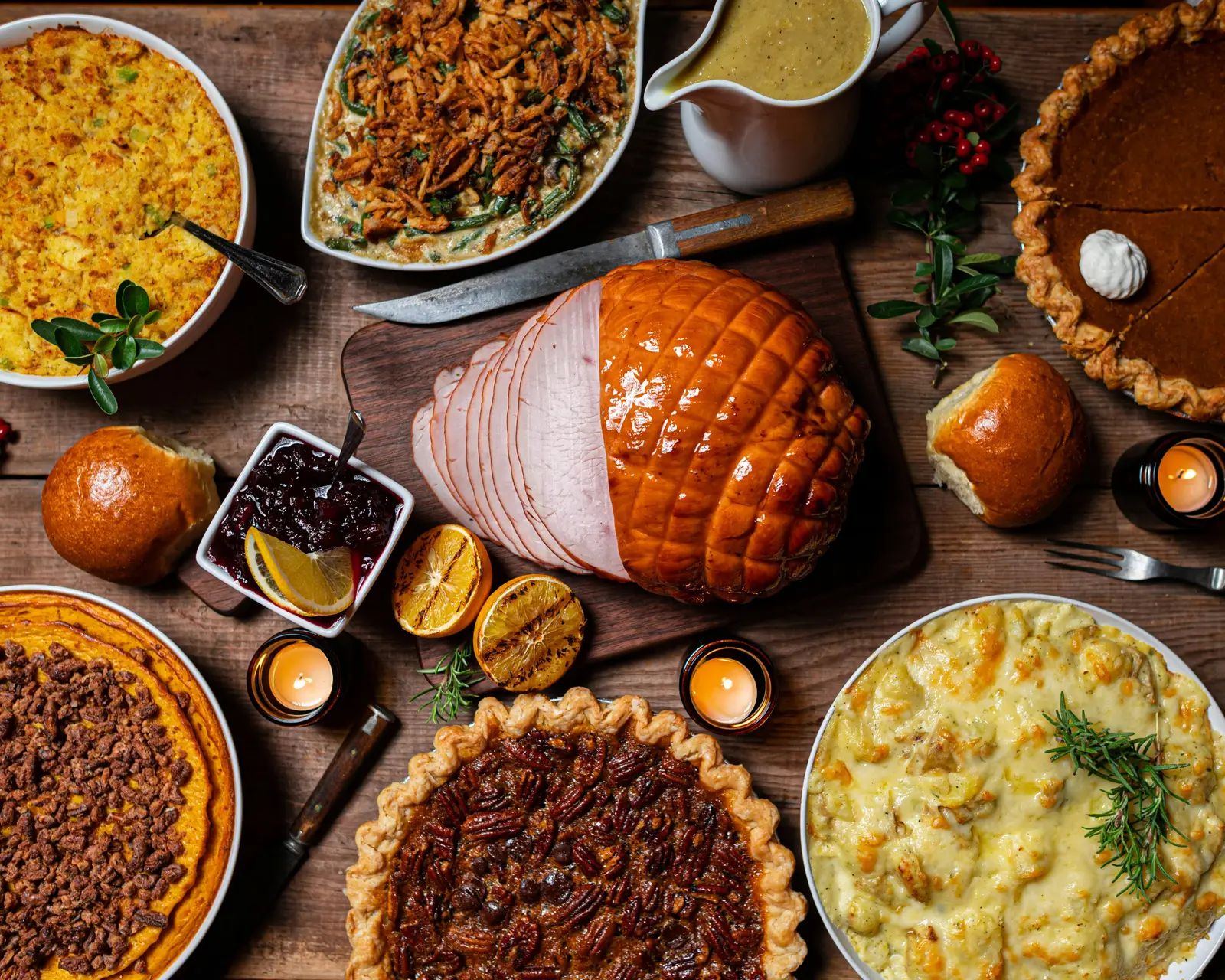
A balanced menu for eight to ten people keeps the cook’s load to no more than five dishes. Turkey can be made from scratch or purchased pre-cooked. Gravy benefits from an early stock base finished with drippings on the day. Mashed potatoes and stuffing both hold well when prepared the day before and finished just before serving. Roasted vegetables come together quickly with advance prep. Cranberry sauce travels well if made up to a week ahead. Rolls and a cheese board are easy purchases that still feel special. Salad and one pie can be delegated to guests, while drinks work best when one cocktail is batched early and wine is assigned to others. This split ensures the host stays within a manageable number of tasks while still offering a full spread.
Follow a Two-Week Timeline That Protects Your Energy
Two weeks out, confirm the guest list, dinner time, and assignments, then order the turkey and check serving pieces. One week ahead brings confirmation calls, non-perishable shopping, and a simple Thursday schedule written down. Two days before, the focus shifts to perishables, gravy base, cranberry sauce, and setting the table without final touches. The day before covers pie baking, potato and stuffing assembly, vegetable prep, and drink station setup. On Thanksgiving itself, a sample 4 p.m. dinner schedule starts the turkey at 11:30 a.m., moves potatoes to a slow cooker by 12:30, welcomes guests at 2:30, and finishes carving and warming sides by 3:45. The turkey’s resting period frees the oven for everything else and keeps the cook present when guests arrive.
Lean on Shortcuts and Real Help
Small habits reduce friction throughout the day. Label serving dishes the night before so others can plate without direction. Move drinks to coolers to free refrigerator space. Start cleanup while the turkey rests by filling the roasting pan with soapy water. When guests offer to bring something, give them a specific category such as salad, pie, or ice rather than leaving it open-ended. These steps keep the focus on presence rather than perfection. Guests tend to remember the welcome, the flow of hot food, comfortable seating, and easy conversation far more than any single detail of the table or menu. With the work distributed, the host can finally join everyone at the table.