There’s a particular kind of traveler who boards a plane like they’ve seen it all. Logged the miles, survived the delays, mastered the airport shuffle. Flight attendants recognize them immediately – and they’re also the ones making the same quiet mistakes, flight after flight, that the crew watches with a kind of tired familiarity. Not because these travelers are careless. Because nobody ever told them what actually goes on inside that cabin.
What follows is the honest, inside-the-galley knowledge that cabin crew carry but almost never say out loud at 35,000 feet. Some of it will reframe flights you’ve already taken. A couple of items may genuinely change what you do on the next one. The list counts down – and the most important ones are saved for the end.
#14 – Boarding Is the Worst Time to Ask for Anything
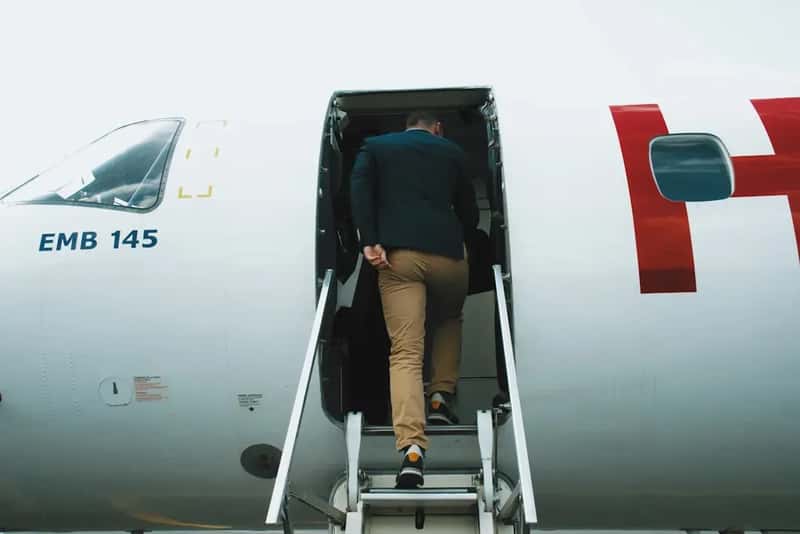
It feels perfectly natural: you’re settling in, you have a question, the flight attendant is standing right there in the aisle. What most passengers don’t know is that in many contracts, flight attendants aren’t on the clock yet during boarding. They’re managing safety checks, coordinating with the cockpit, counting heads, and fielding a dozen other demands – all at once, all on a deadline.
Asking about seat changes, requesting extra pillows, or launching into a long story during boarding puts crew members in an impossible spot. The smarter move is to handle your pre-flight checklist before you board, then simply smile and say hello. Save requests for after the door closes. That one small shift in timing builds more goodwill than almost anything else you could do – and the crew absolutely notices who did it.
Fast Facts
- Boarding typically lasts 30 to 45 minutes – one of the busiest windows of the entire flight for crew
- Flight attendants juggle safety checks, headcounts, and galley prep simultaneously during boarding
- Seat change requests belong at the gate, not the jetbridge – the gate agent holds that power
- A simple, genuine hello during boarding costs nothing and quietly sets the tone for your whole flight
#13 – The Call Button Is Not a Concierge Bell
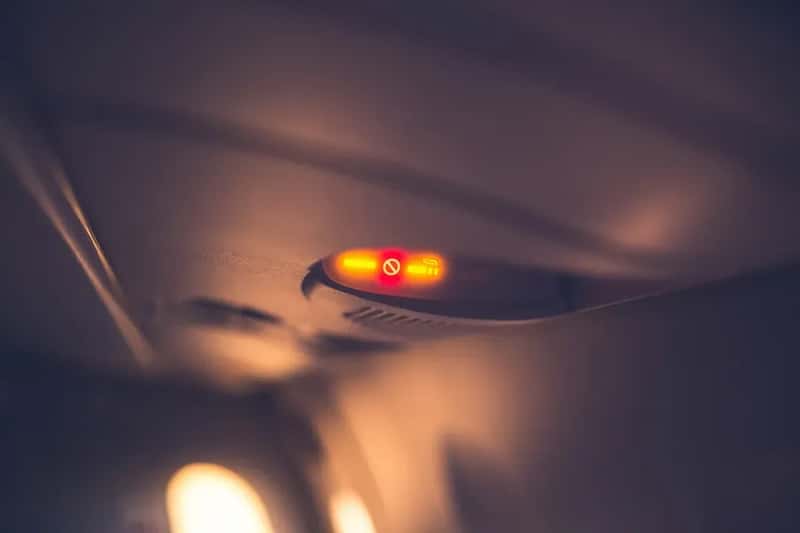
This comes up in nearly every candid conversation flight attendants have about passengers. The call button exists for genuine emergencies and mobility needs – not for flagging down a snack before the cart rolls out, or getting rid of a cup while the crew is mid-service on the other side of the plane. Both uses genuinely irritate cabin crew in a way that’s hard to overstate.
Flight attendants pass by your seat roughly every ten to fifteen minutes during normal cruising. You can wait your turn like everyone else. Older travelers who use the call button casually often don’t realize they’ve quietly flagged themselves as high-maintenance before the plane ever reaches altitude. Save it for something real, and the crew will notice that, too – in the best possible way.
#12 – That “Wrapped” Airline Headset Isn’t New
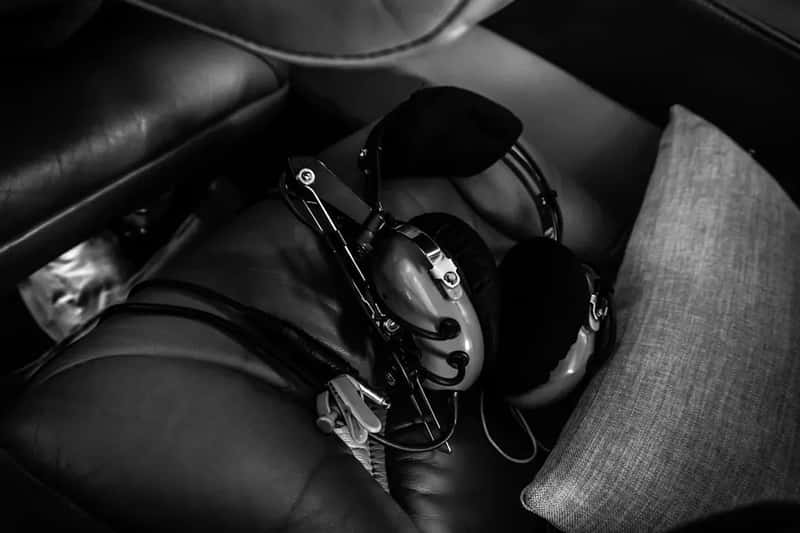
Here’s one that most passengers never think about: even the headphones that arrive in sealed plastic aren’t new. They’re collected after each flight, repackaged, and redistributed. The wrap is packaging – not a hygiene guarantee. Flight attendants have known this for years, which is why they quietly bring their own earbuds on every flight.
The same logic applies to the tray table. Research has consistently found high bacterial counts on in-flight tray tables – higher, in some cases, than on the toilet flush button. A small pack of antibacterial wipes in your carry-on isn’t paranoia; it’s the habit that frequent flyers figured out years ago. The cleaning between flights is rarely as thorough as the freshly wiped-down appearance suggests.
#11 – Flight Attendants Are Quietly Counting Your Drinks
It might feel like nobody’s keeping tabs, but they absolutely are. Cabin crew track how many drinks each passenger has had, and they are trained – and legally authorized – to cut people off. This isn’t about being restrictive. It’s about the fact that altitude and cabin pressure change how alcohol hits the body, and dehydration accelerates the effect faster than most people expect.
The crew’s least favorite passenger archetype is a drunk – someone who demands drinks before service starts, thinks they’re hilarious, flirts with the crew, and orders two at a time. Older travelers sometimes genuinely underestimate how differently two glasses of wine land at 35,000 feet compared to a restaurant table at sea level, and they pay for it with a brutal arrival day. The crew has seen that story end the same way a thousand times.
#10 – Never Drink the Hot Water or Coffee On Board
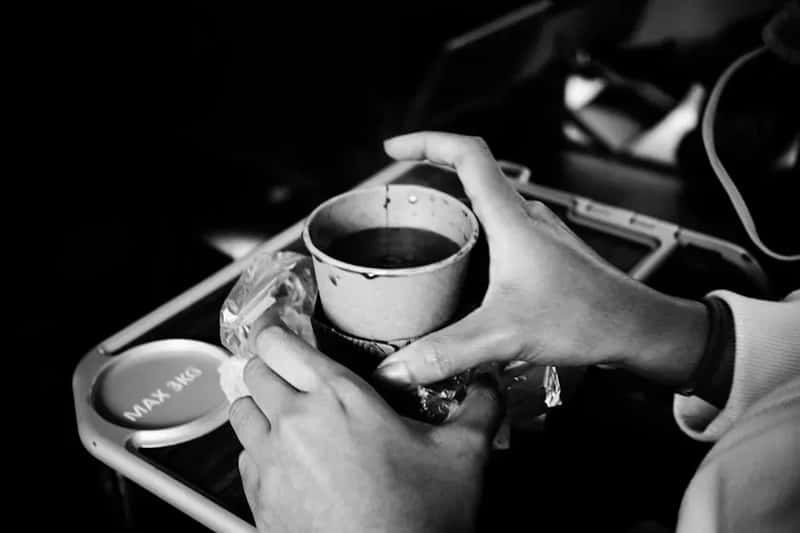
This is the warning flight attendants repeat most consistently among themselves, and it almost never reaches passengers. The hot water used for coffee and tea on most aircraft runs through the same onboard water tanks that serve the lavatories. Those tanks are rarely cleaned as frequently as they should be. One flight attendant recalled a water quality test on her aircraft that failed for E. coli – maintenance came aboard, pressed a few buttons, and it passed on the retest.
Most veteran flight attendants won’t touch the plane’s hot water themselves. That detail alone should settle the question. If you need caffeine, a Coke from a sealed can is the safer call. Bottled water and canned beverages are always your best option in the air – and now you know why the crew is never the ones ordering the coffee.
#9 – Your Overhead Bag Is Your Responsibility to Lift
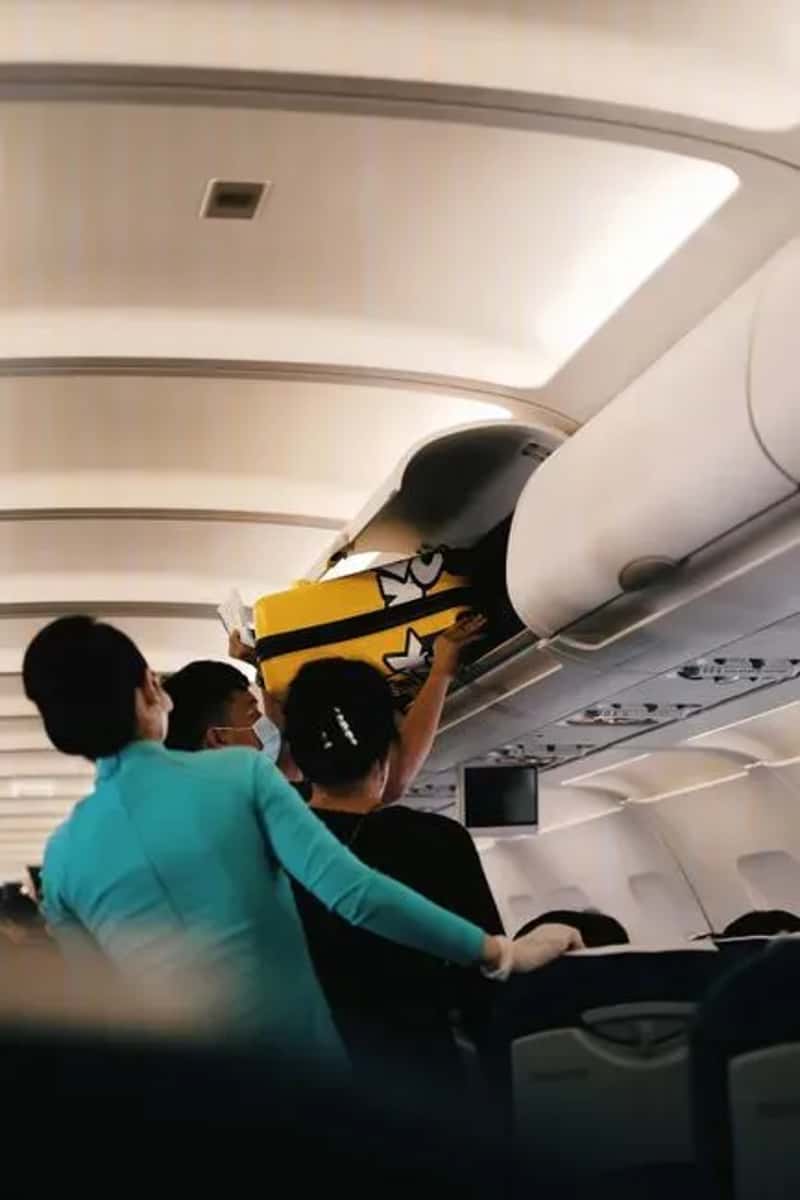
Many older travelers have quietly assumed – sometimes for years – that flight attendants will help hoist luggage into the overhead bin. The crew will often do it out of courtesy, but that habit comes with real consequences. Flight attendants sustain a meaningful number of injuries from lifting passengers’ heavy bags, and an injury can pull a crew member off the job for months. If you packed it, the expectation is that you lift it.
The rise of checked baggage fees has pushed more and heavier carry-ons into the cabin, and the pressure on crew to handle what passengers can’t has grown with it. If you genuinely need help, ask – clearly, warmly, and directly. That’s a completely reasonable request. But assuming the help will appear without asking is the habit that causes the quiet resentment, and the occasional quiet injury, that most passengers never see coming.
#8 – Shoes Off in the Cabin Is Grosser Than You Think
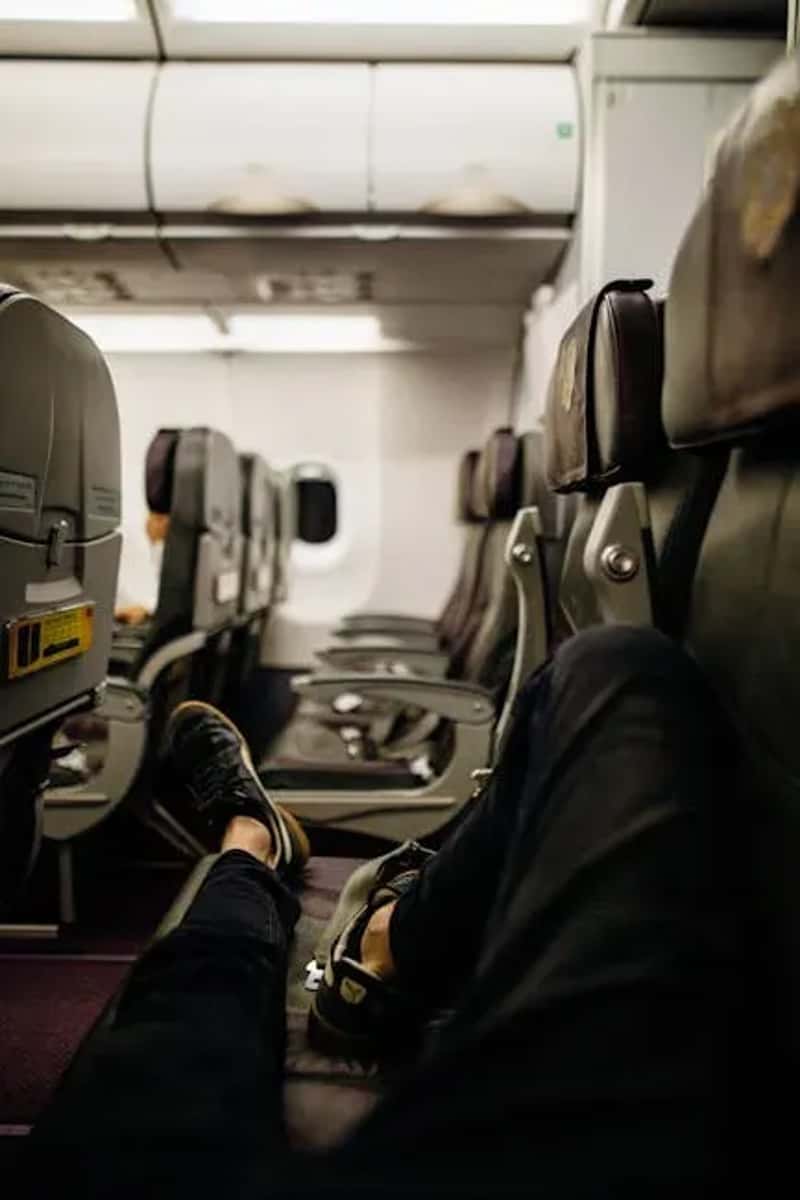
Taking shoes off the moment the seatbelt sign dims is practically a ritual for some older travelers. Flight attendants know exactly what’s on that floor – and it’s not encouraging. Aircraft cabins are cleaned cosmetically between most flights, with a more thorough cleaning happening far less frequently. In the meantime, thousands of passengers have tracked everything imaginable across that carpet.
The lavatory floor situation is worse still. One former flight attendant put it plainly: she always wears slippers when walking to and from the bathroom, because the floor can harbor bacteria – especially after turbulence hits mid-flight. Disposable hotel slippers or a cheap pair of travel flats are what crew members actually use. Bare feet on that carpet is a habit worth breaking on your very next flight.
At a Glance: What Crew Members Actually Pack
- Their own earbuds – never use the repackaged airline headset
- Antibacterial wipes – for tray tables, armrests, and buckles
- Disposable slippers or lightweight flats – never bare feet on cabin carpet
- A refillable water bottle – to avoid the onboard hot water entirely
- Compression socks – worn on nearly every flight, short or long
#7 – The Window Seat Is the Smarter Pick Than You Think
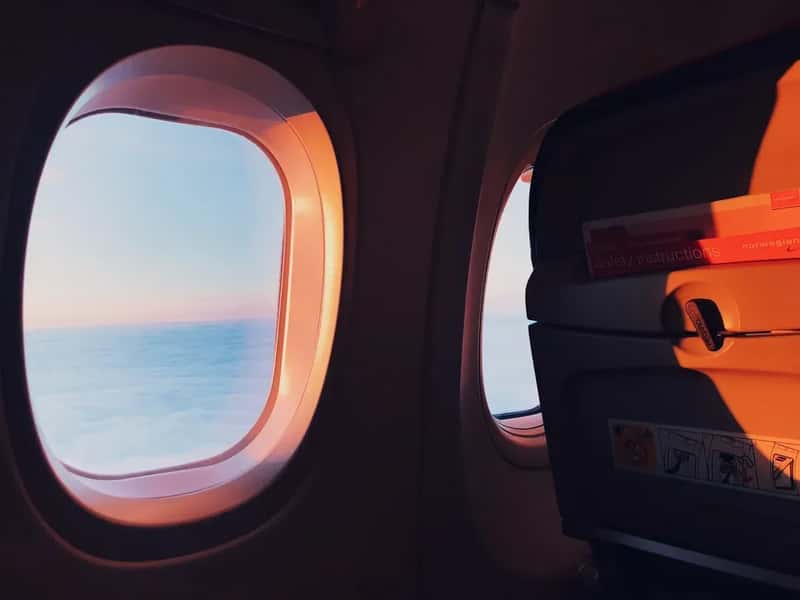
Most older travelers default to the aisle for easy bathroom access and the ability to stretch a leg. Flight attendants almost universally disagree with this strategy. The window seat gives you a wall to lean against, nobody climbing over you mid-flight, and complete control over the shade. That combination translates directly into better sleep and a less wrecked arrival – which is the point of the whole exercise.
A few other seat-selection details crew members keep to themselves: bulkhead seats often put you next to an infant bassinet, seats near the lavatory tend to be noisier and occasionally fragrant, and seats closest to the galley typically get faster, more attentive service. Seat selection is one of the highest-leverage decisions you make before you ever step on the plane. Most travelers spend more time picking a restaurant than a seat row. Crew members never grab randomly.
#6 – Flight Attendants Aren’t Responsible for Your Upgrade
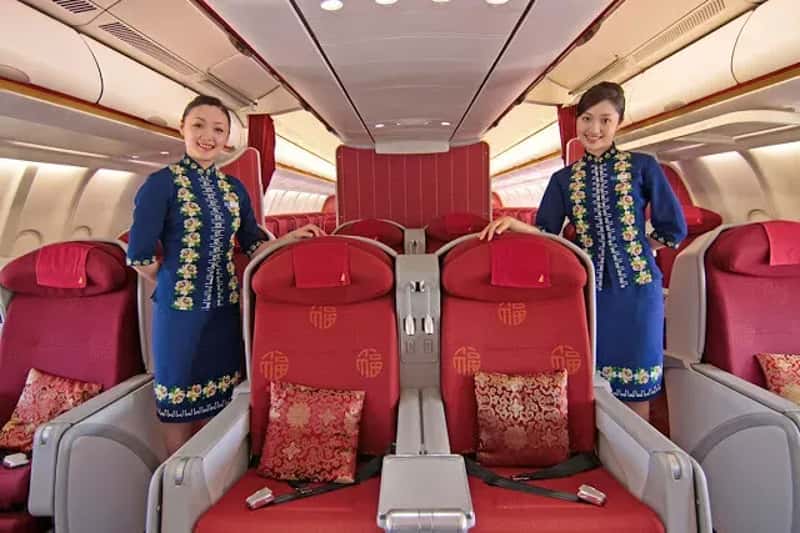
This misunderstanding creates awkward moments every single day on planes across the country. Once you step onto the aircraft, upgrade decisions are completely out of the flight attendant’s hands. That conversation belongs at the gate – with the gate agent, before the jet bridge closes. As flight attendant Nichole Dunst put it directly: “Gone are the days of getting an upgrade just because you’re cute and you brought us Starbucks.”
“Once you step onto the aircraft, it’s our responsibility to get you where you’re going safely and comfortably – but we’re not responsible for awarding upgrades.”
Nichole Dunst, Flight Attendant
Asking a flight attendant for an upgrade after boarding doesn’t just waste your time – it burns goodwill fast. Frequent flyers who’ve earned upgrade priority know exactly where their name sits on the list and take it seriously. If someone appears to cut in front of them, it becomes a whole situation. The gate agent is your only real ally here. Once that door closes, the window is gone.
#5 – Early Morning Flights Are the Real Insider Move

Flight attendants who travel on their days off almost always book the first departure of the day. The reasons stack up fast: early flights are far less likely to carry delays from earlier routes, the air is calmer with less ground heat generating turbulence, and the aircraft has been prepped overnight rather than cycled through a full day of back-to-back turns. If something does go wrong, there’s still time in the day to fix it.
Most older travelers book afternoon departures for the comfort of a later wake-up – then spend the rest of the day watching cascading delays eat their schedule. Savvy travelers who end up delayed on an early flight already have alternative connections pulled up on their phone before they even reach the gate agent. The crew woke up early, landed on time, and is halfway to their destination before the afternoon passengers have finished boarding.
#4 – Cabin Air Is Actively Dehydrating You the Entire Flight
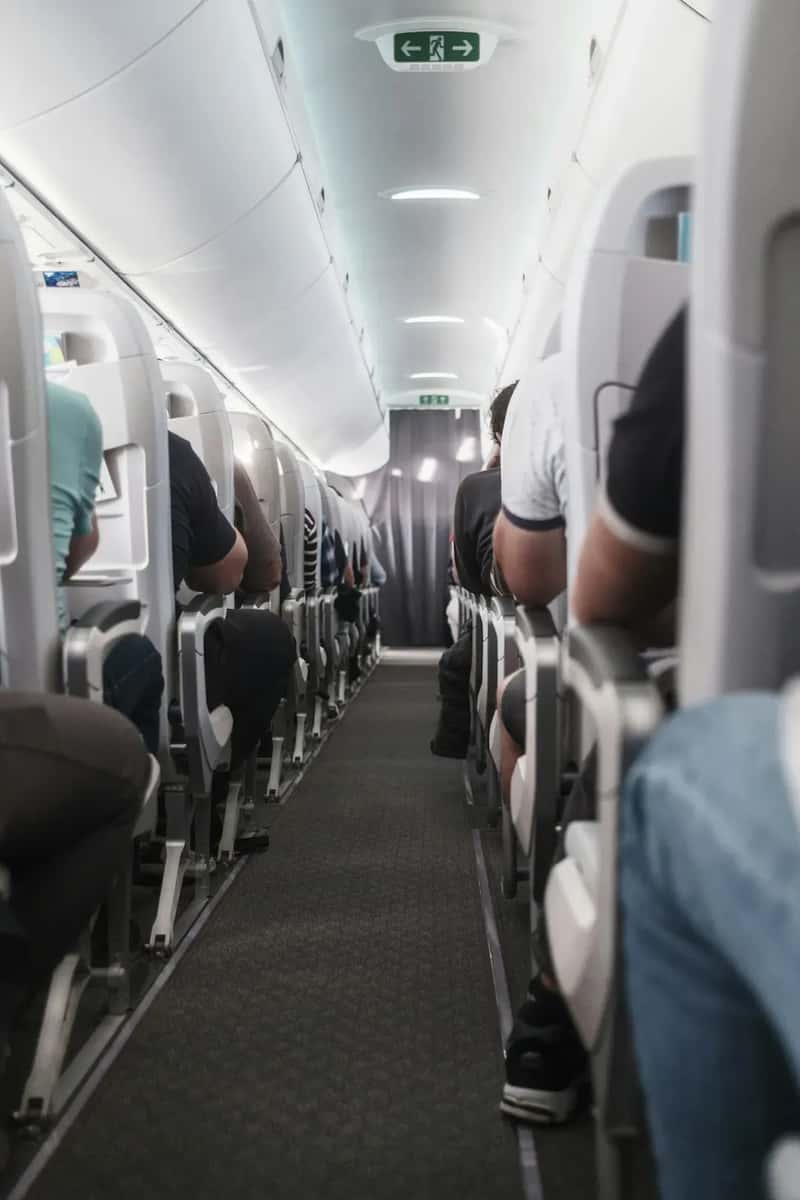
The dryness inside a pressurized cabin isn’t just an annoyance – it’s a constant, measurable physical stress. Humidity levels in airplane cabins typically drop to around 10 to 20 percent, far lower than what most people are comfortable in on the ground. For context, the Sahara Desert averages around 25 percent humidity – meaning the air in your seat is literally drier than a desert. One flight attendant with nearly 30 years of experience described the cumulative toll plainly: staying hydrated from the inside out, with water and high-water-content foods, became non-negotiable as she got older.
One American Airlines flight attendant recommends drinking at least eight ounces of water per hour spent in the air – advice passed down from a senior crew member early in her career. Alcohol and coffee make the dehydration significantly worse, which is exactly why so many older travelers land feeling stiff, foggy, and wiped out even after a short flight. It’s not age. It’s hydration. The crew drinks water constantly throughout every shift, and now you know why.
Worth Knowing: The Dehydration Numbers
- Cabin humidity: typically 10 to 20% – compared to 40 to 50% in a normal building
- The Sahara Desert sits at roughly 25% humidity – most airplane cabins are drier
- On a 10-hour flight, you can lose up to 1.5 to 2 liters of water through breathing alone
- Alcohol and caffeine accelerate fluid loss – the worst combo at altitude
- Goal: at least 8 oz. of water per hour in the air, starting before you board
#3 – Compression Socks Aren’t Just for Sick People – The Crew Wears Them Too
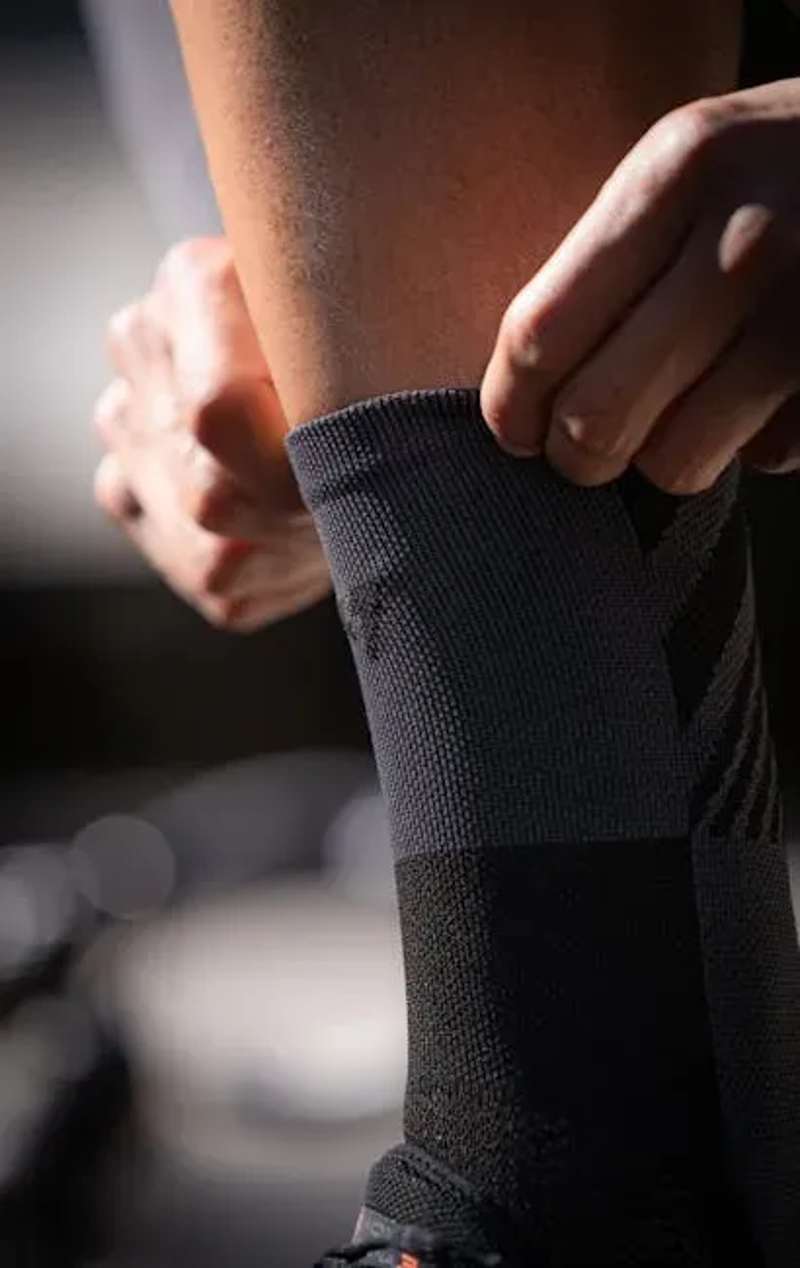
This is the one older travelers most often wave off as unnecessary. Flight attendants wear compression socks on nearly every flight, including short ones. Of two dozen flight attendants informally polled by one travel writer, all but one said they wear them – even on flights as short as an hour. That’s not excessive caution. That’s insider knowledge worn on the leg.
The medical reasoning is well-documented. A Cochrane Database review found high-certainty evidence that compression stockings significantly reduced the risk of symptomless deep vein thrombosis on flights longer than four hours – and a long-haul flight makes venous thromboembolism risk one and a half to four times higher than normal, according to that same research. Older travelers, smokers, and people with a family history of clotting are at higher risk. Compression socks with 15 to 20 mmHg pressure, put on before boarding, are one of the simplest protections available. Most older travelers pack everything except the one thing that actually matters for their circulation.
#2 – Getting Up and Moving Is Not Optional on Long Flights
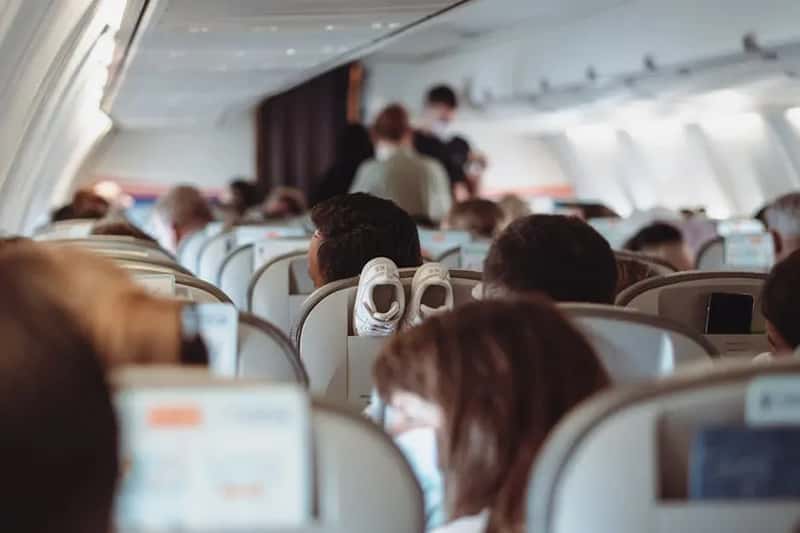
Many older travelers settle in, get comfortable, and stay that way for the entire flight – especially if they’re in a window seat or simply don’t want to disturb anyone. Flight attendants watch this happen constantly and quietly worry. One experienced crew member put it plainly: she has personally seen passengers suffer deep vein thrombosis, and her standing advice is not to stay in the same position for more than two to three hours without getting up and moving.
If you can’t get up, calf raises and toe lifts in your seat are a real alternative – not just something to read about and ignore. The CDC recommends getting up once every two to three hours on longer flights. The passengers flight attendants privately worry about most are the ones who fall asleep in the window seat during a six-hour flight and don’t shift once. That’s not rest. That’s a setup for a post-flight medical event that nobody saw coming until it arrived at baggage claim.
Quick Compare: Moving vs. Staying Still
- Every 2 to 3 hours, stand and walk: keeps blood circulating, reduces clot risk, eases stiffness on arrival
- Seat exercises (calf raises, toe lifts, ankle circles): a real alternative when the aisle is blocked or you can’t stand
- Staying seated for a full 6-hour flight: raises DVT risk and leaves you far stiffer and more fatigued at landing
- Window seat + no movement: the combination flight attendants quietly worry about most on any long-haul route
#1 – Being Kind During Boarding Quietly Changes Your Entire Flight
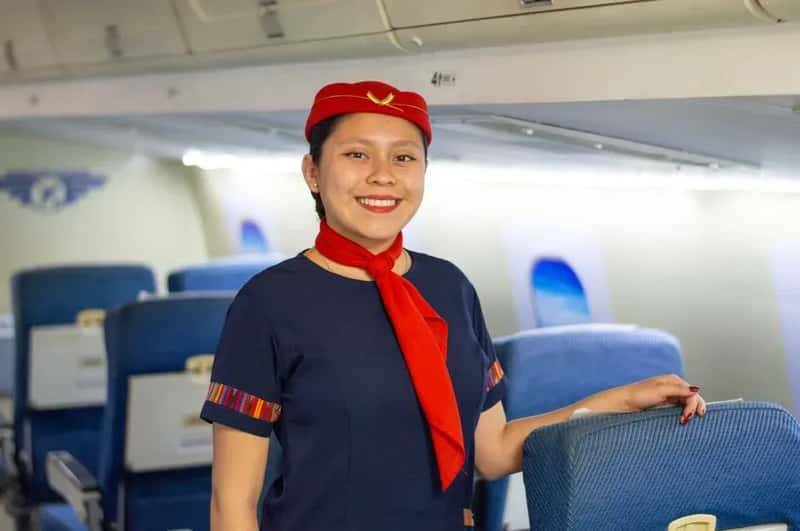
This is the one flight attendants wish they could announce over the PA. It sounds almost embarrassingly simple. But it changes the texture of the entire flight – for you, more than anyone. A real greeting, genuine eye contact, a sincere “thank you” when someone hands you a drink: these have become rare enough in the cabin that crew members genuinely notice them, and remember the passengers who offered them.
According to one 20-year flight attendant veteran, there are a few reasons she’ll comp a passenger a drink – and it always comes down to the same thing: being genuinely nice. Patience during a mechanical delay. A warm hello at the door. Treating the crew like actual human beings rather than service infrastructure. The travelers who do that are the ones who quietly get the extra snack, the warmer blanket, the faster response when something goes wrong mid-flight. It’s not a hack. It’s just decency. And after years of watching thousands of passengers file through the same narrow aisle, cabin crew remember – without fail – the ones who had it.
Most of this knowledge lives entirely inside the galley. Flight attendants accumulate it across thousands of flights and rarely find the right moment to share it. Skip the hot water and coffee. Bring compression socks on anything over two hours. Get up and move every few hours. Book the first flight of the morning. Pick the window seat. And say hello when you board – and mean it. These aren’t abstract suggestions. They’re the difference between arriving wrecked and arriving ready. Most travelers learn them the hard way, after years of bad flights. Now you don’t have to.