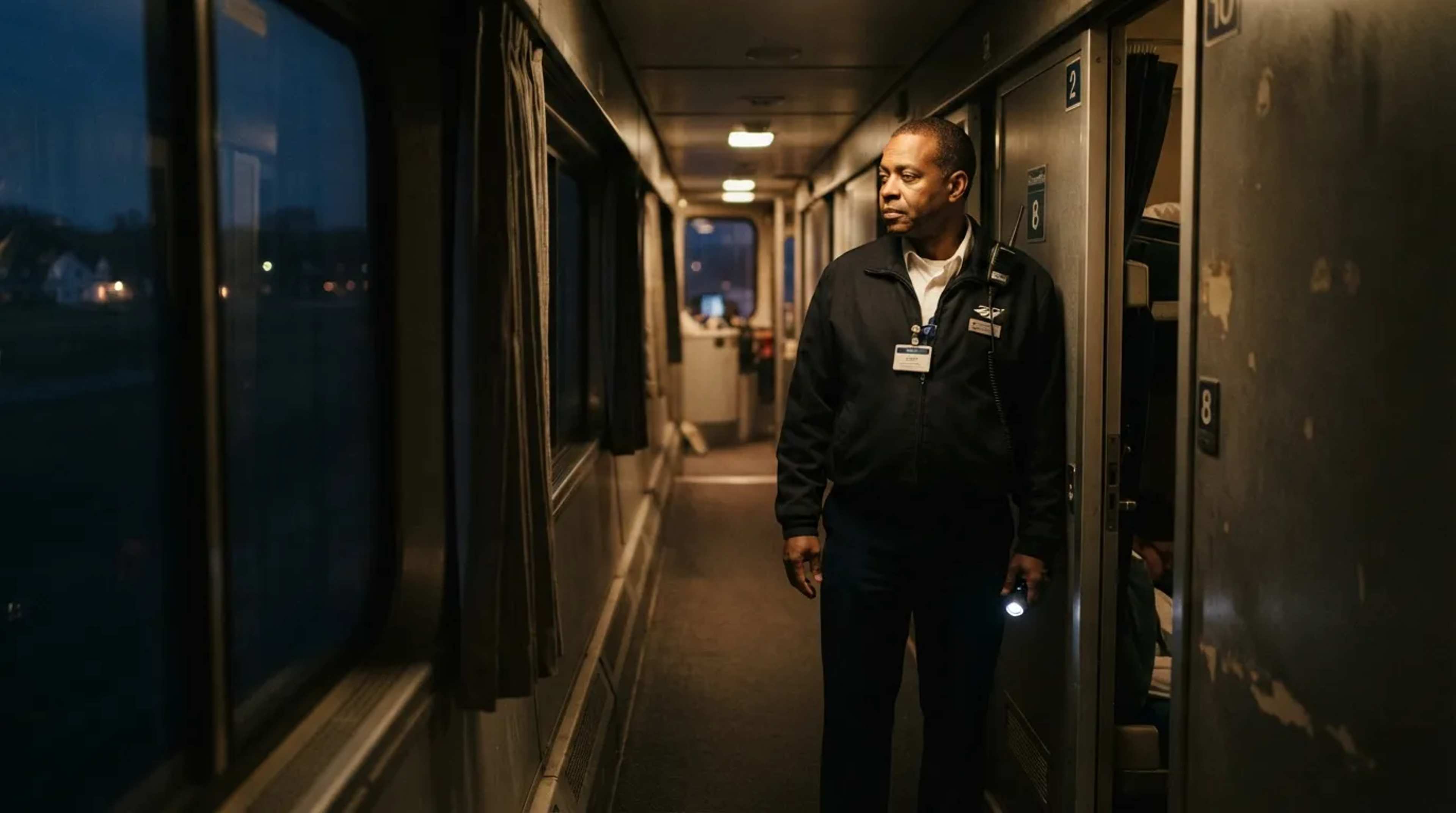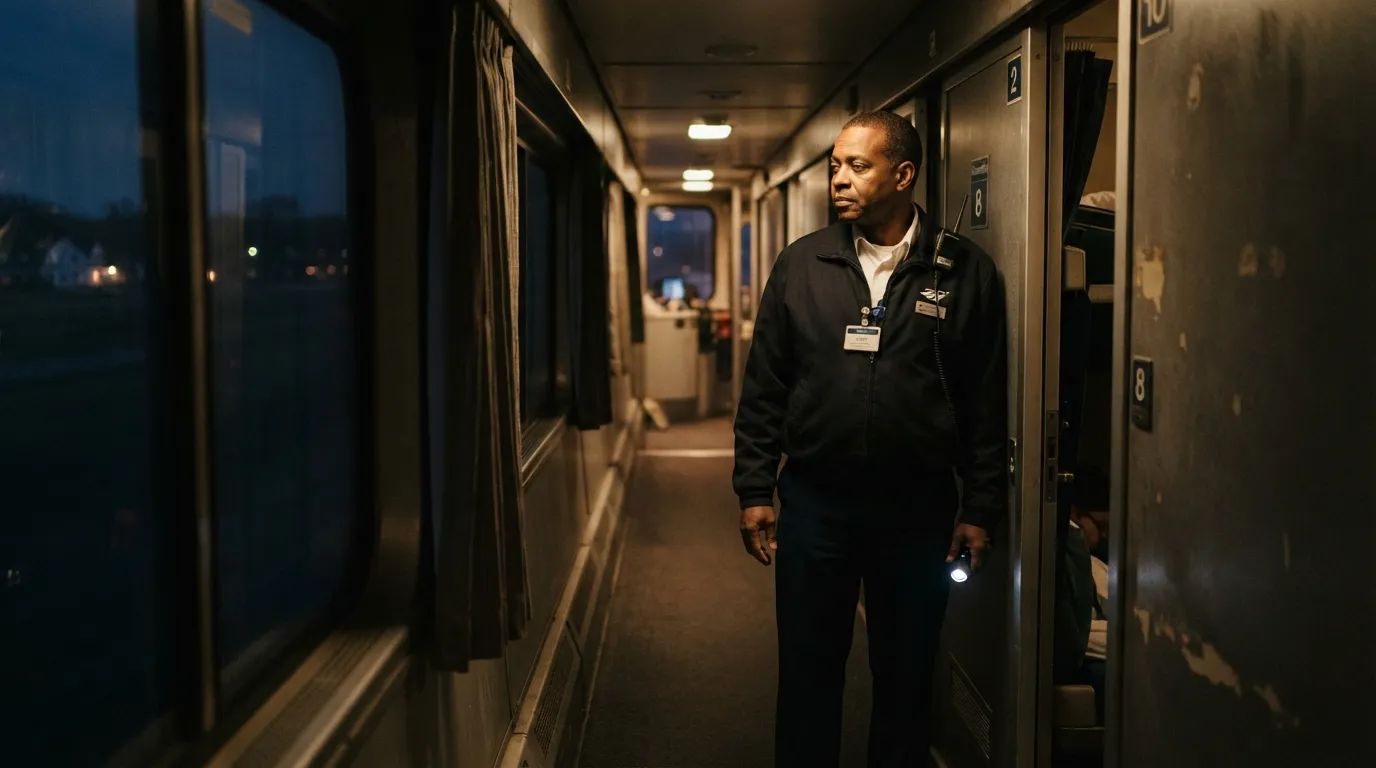
Most people think a sleeper ticket buys a bed with a door on it. It also buys a person. While coach passengers are still lining up on the platform, a sleeping car attendant is already at the train door with a list of names, and your name is on it.
This is mostly an Amtrak story, since it’s the main sleeper service left in the U.S., and details vary by route, train and crew. But some of what gets arranged before the wheels move never shows up on the booking page. A few of these touches are warm. One is a surprise. And the last one is something you only notice when it fails.
#15 – Pillows and a Handwritten Card Already Waiting on the Seats
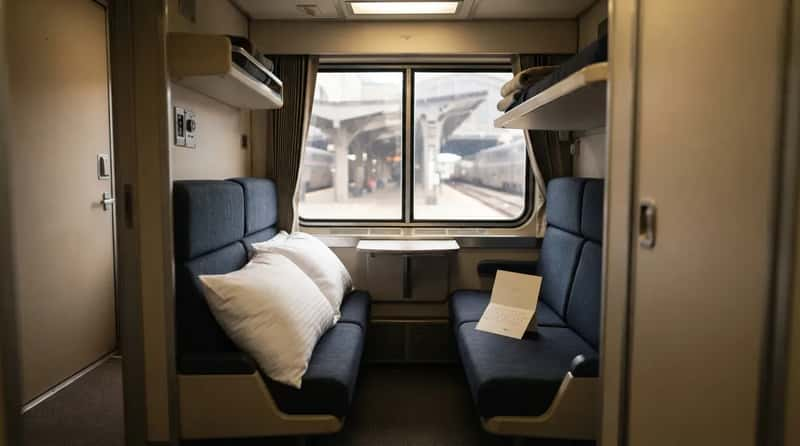
Some roomettes feel like someone has been expecting you. A Trains magazine writer boarding the Empire Builder in Chicago found pillows already on the seats and a greeting card from the car attendant. Someone knew the name on that card before the train had left the station.
This isn’t a printed rule on every train. It’s a personal habit that varies by attendant, so treat the card as a bonus, not a promise. Still, it shows that the real service starts well before departure. The next arrangement happens while the train is still parked at the platform.
#14 – A Full Orientation Speech Before the Train Even Moves
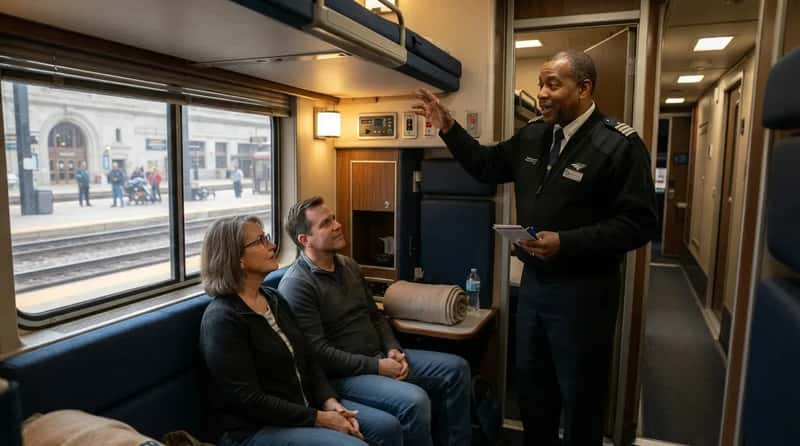
Nobody hands you a manual. The attendant simply explains the car out loud. On that same Empire Builder trip, the attendant made a series of announcements at Chicago Union Station about how the sleeping car worked, where things were and how to get his attention. It’s a short briefing, but it saves a lot of wandering later.
Another traveler on the same route wrote that the attendant dropped by early to introduce himself and point out the shower, toilets and dining car. That matters more than it sounds. On a moving train, even a walk down a narrow corridor can feel like a small adventure. And once you know where everything is, there’s one more thing you no longer have to handle yourself.
#13 – Someone to Handle the Bags You Dreaded Hauling
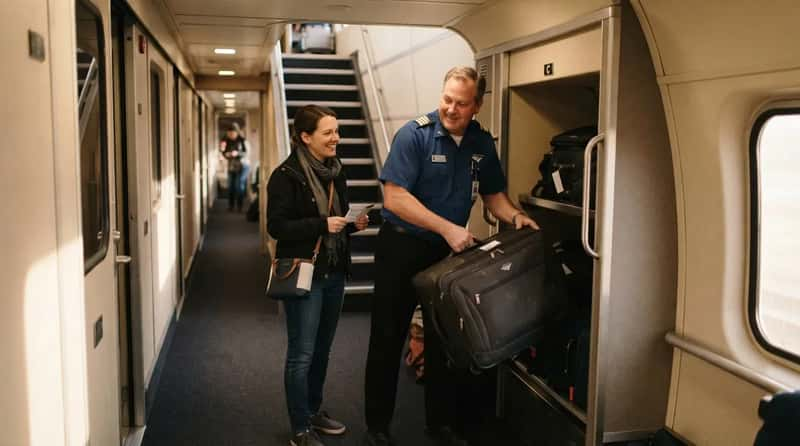
Dragging luggage down a train aisle is a coach rite of passage. Sleeper passengers often skip it. One travel guide says Superliner attendants help with luggage, raise or lower the bed, and look after the sleeper car. That’s real, practical help right at the door.
Rail fans on one forum say attendants have long taken charge of luggage when passengers board and get off, along with a few other duties that have faded over the years. How much help you get depends on the station and the crew. Ask politely and you’ll usually find out. But the arrangement that starts to feel like real travel luxury is about dinner.
#12 – Dinner Reservations Taken Before You Have Unpacked
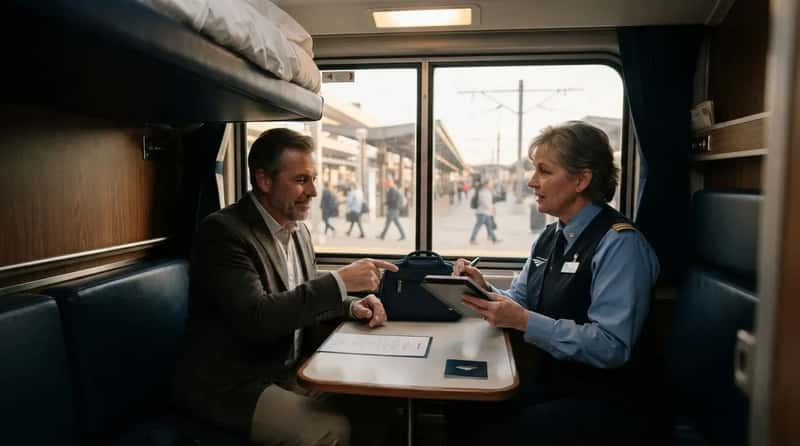
On Amtrak routes with traditional dining, your evening meal can be booked before the train even leaves. On the Empire Builder, the dining car hostess walked through the sleeping cars before departure to take dinner reservations and in-room food orders. Amtrak’s own vacations site adds that once you’re onboard, your car attendant will take your reservation times.
Fast Facts
- Your car attendant can take your dinner reservation time once you’re aboard.
- On one Empire Builder trip, the dining car hostess came through the sleepers before departure.
- Sleeper passengers get first priority for dining car reservations.
- Meals come with the sleeper fare, so there’s no bill at the table.
The surprise is how quickly the good slots can go, so asking right away gives you the most choice. One travel site notes that sleeper passengers get first priority for dining car reservations, and open seats may then be offered to coach. Meals come with the sleeper fare, but the best times don’t wait. And if you’d rather not leave your room at all, there’s an option that surprises first-timers.
#11 – Dinner Delivered to Your Door, With a Window View
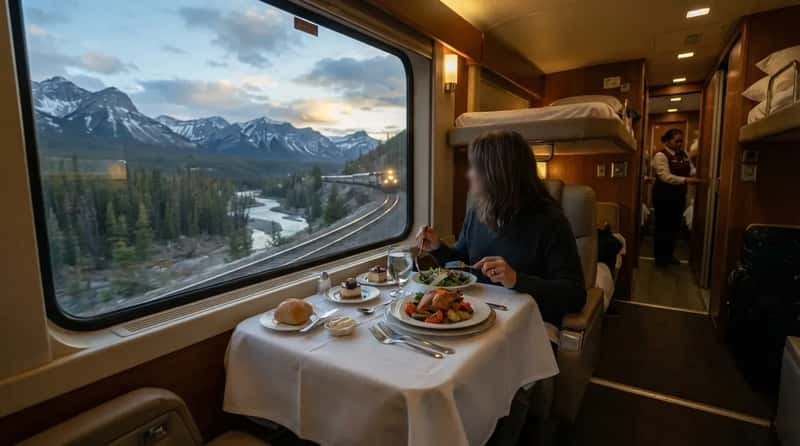
You don’t have to walk to the dining car at all. Sleeping car passengers get complimentary meals, served either in the dining car or brought to the room by the car attendant, based on preference. On a mountain route, that means a hot dinner and a window seat in your own private space.
One travel guide notes that the attendant covers the whole car, so it may take some time for them to get to you. Tell them early, and don’t expect instant service at peak hours. Some rail fans swear the dining car is the better experience. Others barely leave their room. Either way, the dining car itself isn’t the same on every train anymore.
#10 – A Sleeper-Only Lounge That Replaced the Dining Car
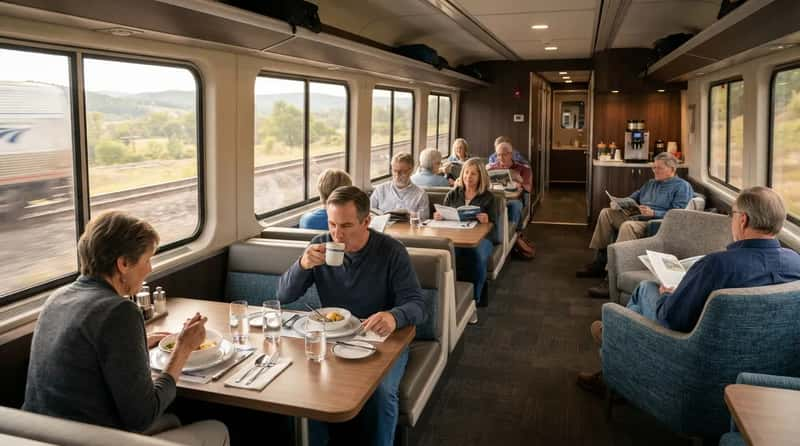
Not every route still runs a classic white-tablecloth dining car. On Flexible Dining trains, Amtrak describes an exclusive onboard lounge space for sleeping car customers to dine and socialize 24/7, with no reservations needed. Reviewers say formal dining reservations generally aren’t necessary on those trains.
Quick Compare
- Traditional dining: a sit-down dining car, with reservation times taken by your attendant.
- Flexible Dining: a sleeper-only lounge, open 24/7, with no reservations needed.
- On both: ask your attendant what your train actually offers.
Many longtime riders see this as a step down from freshly cooked meals, and the debate over dining changes on Amtrak’s long-distance trains has been loud for years. Your attendant can explain exactly what your train offers, so ask before you assume. Because the next arrangement is one almost nobody thinks to request.
#9 – Your Name on the List Before You Reach the Door
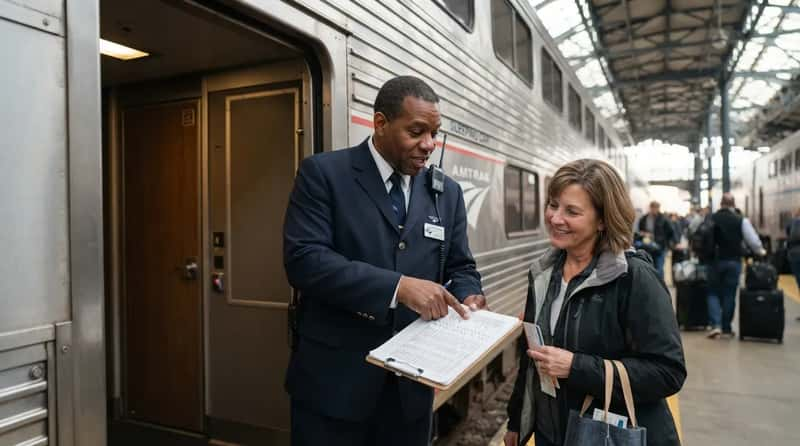
Sleeper boarding is more personal than coach boarding. On one forum, a rail fan says attendants check your name off the list, and the conductor scans your ticket if nearby. Another poster says the attendant will be expecting you and may even know your name ahead of time.
One travel site says private-room passengers get free meals on board, priority boarding and lounge access at key stops. Not every station offers the same perks. Plenty of sleeper riders never use the lounges simply because nobody told them to ask. But the biggest secret is the bed itself.
#8 – The Bed Goes Down Whenever You Say, Even at Noon
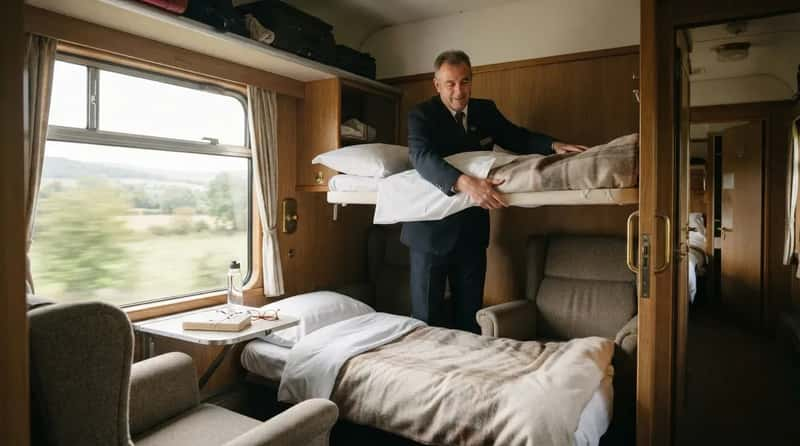
Nobody says a bed can only come down after dark. Forum regulars say the attendant will make your room up for sleeping on request, even during the daytime. Another traveler adds that your attendant can and will put the bed down and back up any time you ask.
At a Glance
- Daytime bed setup is fine if you ask.
- The call button is the simple way to say you’re ready for bed.
- The bed can go back up whenever you want your seats back.
It’s part of the job, so there’s no reason to feel awkward asking. One guide says the process is simple: press the call button when you’re ready for bed. A midday nap with the scenery sliding past can feel like pure luxury on a long ride. But the bed setup has a detail most riders get wrong.
#7 – The Two-Berth Puzzle Only Attendants Really Solve
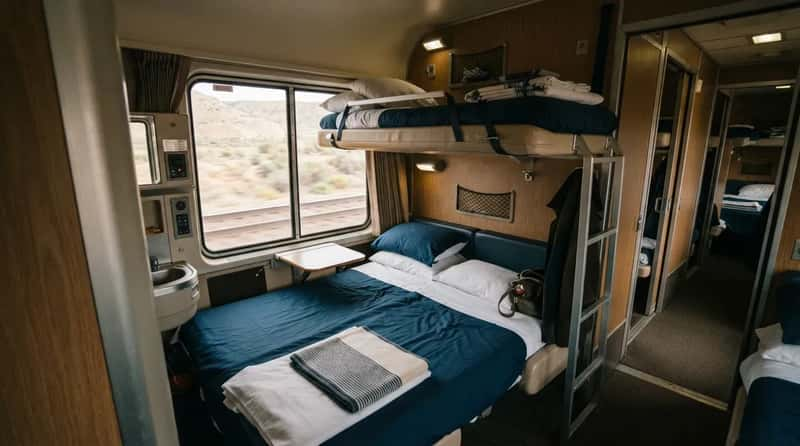
A Superliner roomette sleeps two, and the setup isn’t obvious. The attendant arranges the two seats into a lower berth of about 2.3 feet by 6.5 feet. A second berth, about 2 feet by 6.2 feet, goes above it for a companion.
Solo travelers sometimes prefer a different layout. One forum veteran suggests having the attendant make up the top bunk and keeping the lower seats intact. It’s a clever trick if you want to nap and still have somewhere to sit. The next arrangement matters most at 3 a.m.
#6 – A Wake-Up Call and Someone Watching for Your Stop
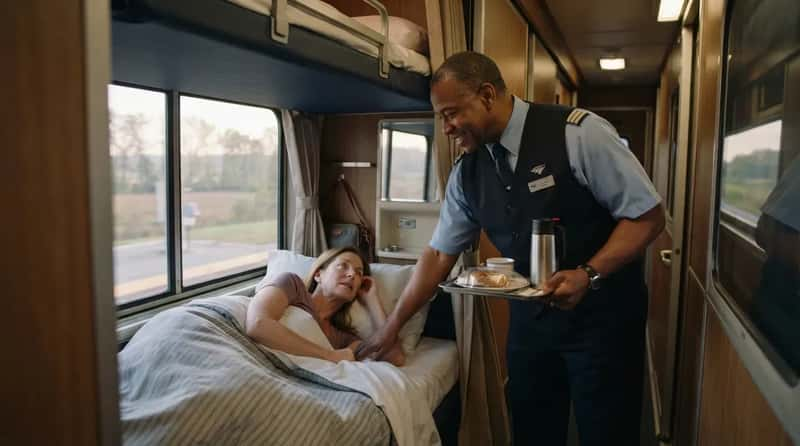
Missing your stop in a sleeper is a real fear, and attendants know it. Forum answers confirm that the sleeper attendant can provide a wake-up call. Another poster says to make sure the attendant knows where you’re getting off, so they’re in position to open the door.
Here’s where riders trip up. One rider notes that if you want to get off at an earlier station, you must tell the conductor, not just the sleeper attendant. Tell both, to be safe. And the morning has one small perk that coach riders will never see.
#5 – Coffee Waiting Before Most People Are Awake
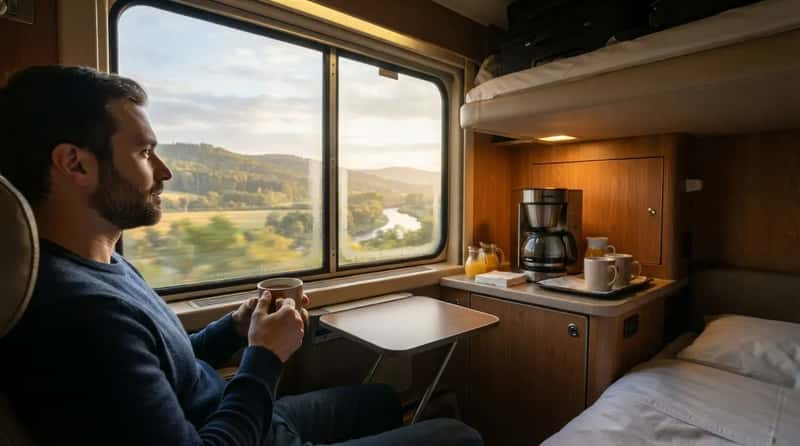
Sleeper passengers don’t have to hunt for caffeine. Sleeping car attendants typically set out coffee and juice for their passengers each morning. For many riders, that first cup in a private room as the scenery rolls by is the best part of the trip.
Rail fans say the attendant’s day begins early. One forum poster says attendants return to duty around 6 a.m., starting the coffee pot. Hours and routines vary by crew and route. But a lot of the work behind that coffee pot never gets seen at all.
#4 – Clean Restrooms and a Fresh Room, on Repeat
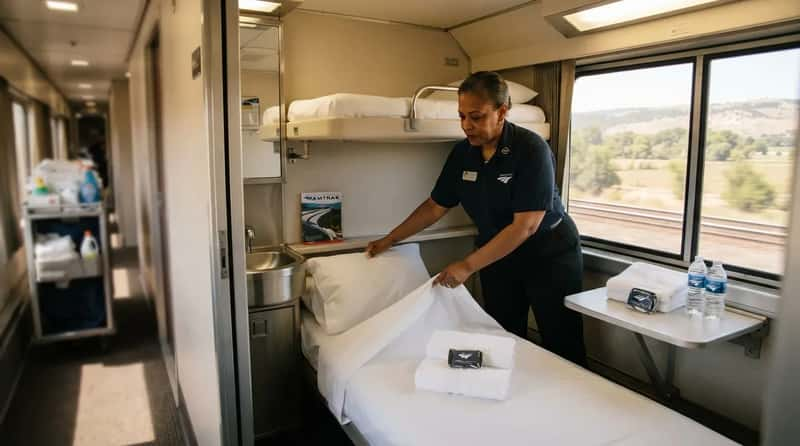
Keeping the car clean is a quiet but constant job. Longtime riders list seeing that the restrooms and car stay spotless among the traditional attendant tasks. One travel site says sleeper rooms include linens, pillows, towels, complimentary toiletries and bottled water.
The behind-the-scenes work can get intense. When a roomette is needed by new passengers, the attendant has to turn it over quickly. On one trip, the attendant knocked 20 minutes before the station stop to give notice. Most passengers never see that turnover happening. But one lost tradition shows how much has changed.
#3 – The Shoe Shine That Quietly Disappeared
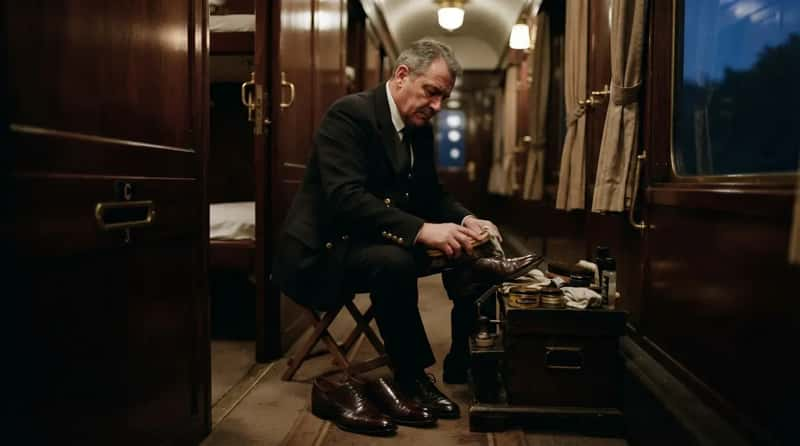
It used to be a nightly ritual. Rail fans recall that the shoe shine, which once happened every night, is gone. The same list mentions brushing passengers off, literally, when they got off the train. Those details show how much service was once built into a sleeper ticket.
Today’s attendants cover more ground with fewer frills. Some riders see that as the end of something special. Others say modern comforts like outlets and showers more than make up for it. Either way, the job has a history that goes back much further.
#2 – A Job Born From the Pullman Porters
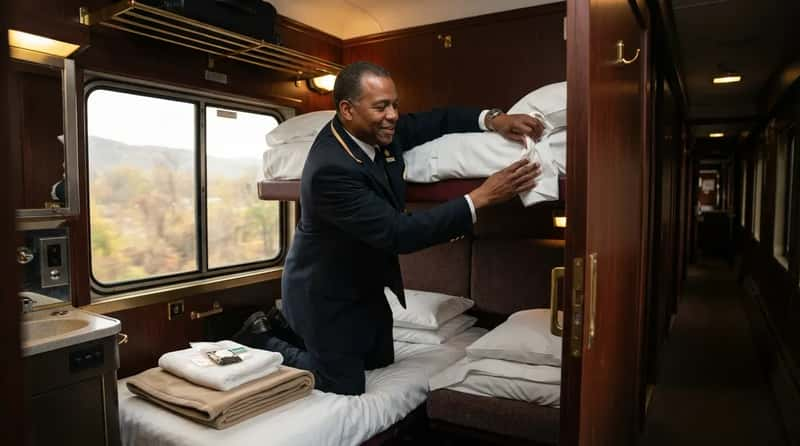
Sleeping car attendants have a long lineage. Reference sources note they were formerly called Pullman porters, and they still convert rooms from day mode to night mode. That job title goes back to the 19th century, when porters staffed Pullman’s luxury cars.
Why It Stands Out
- The Brotherhood of Sleeping Car Porters was founded in 1925.
- A. Philip Randolph led the union.
- It won a contract with the Pullman Company in 1937.
- The day-to-night room conversion is still part of the job.
The history is bigger than the job. The Brotherhood of Sleeping Car Porters, founded in 1925 and led by A. Philip Randolph, became a landmark of the American labor movement. In 1937 it won a contract with the Pullman Company. So when an attendant makes up your bed, it’s the work of a profession with a deep place in U.S. history. And that brings us to the arrangement that matters most.
#1 – Someone Responsible for Your Safety While You Sleep
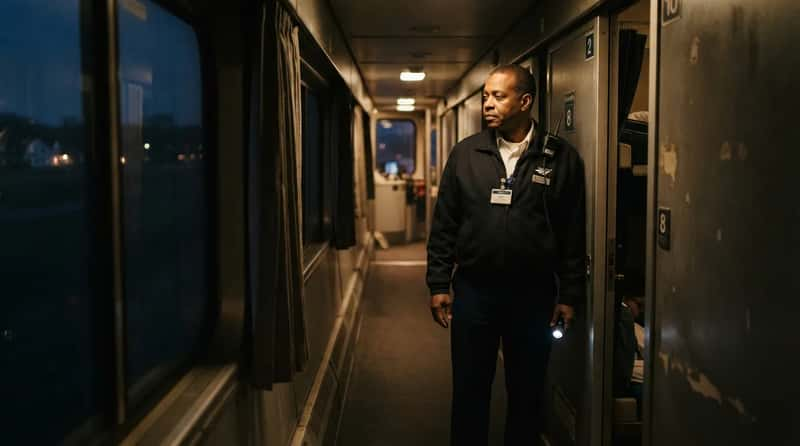
The most important arrangement is the one nobody sees. Rail fans on one forum note that the primary responsibility of a sleeping car attendant is the safety of their passengers. Food, beds and coffee all come second to that.
At night, there’s a handoff. According to forum posters, attendants are generally off duty from about 10 p.m. to 6 a.m. Before then, they prepare roomettes for those boarding overnight, and conductors handle boarding and detraining for the car during off-duty hours. It’s the part of the job nobody photographs, and it’s the part you only notice if it fails.
The biggest surprise isn’t the coffee or the dinner reservation. It’s how much happens before you even notice. Pillows, orientation, bed setup, wake-up calls and a name on a list are all arranged by one person looking after around 21 rooms. Details vary by route, and some old traditions are gone. But the next time you step onto a sleeper, look for the person standing at the door. They’ve been expecting you.