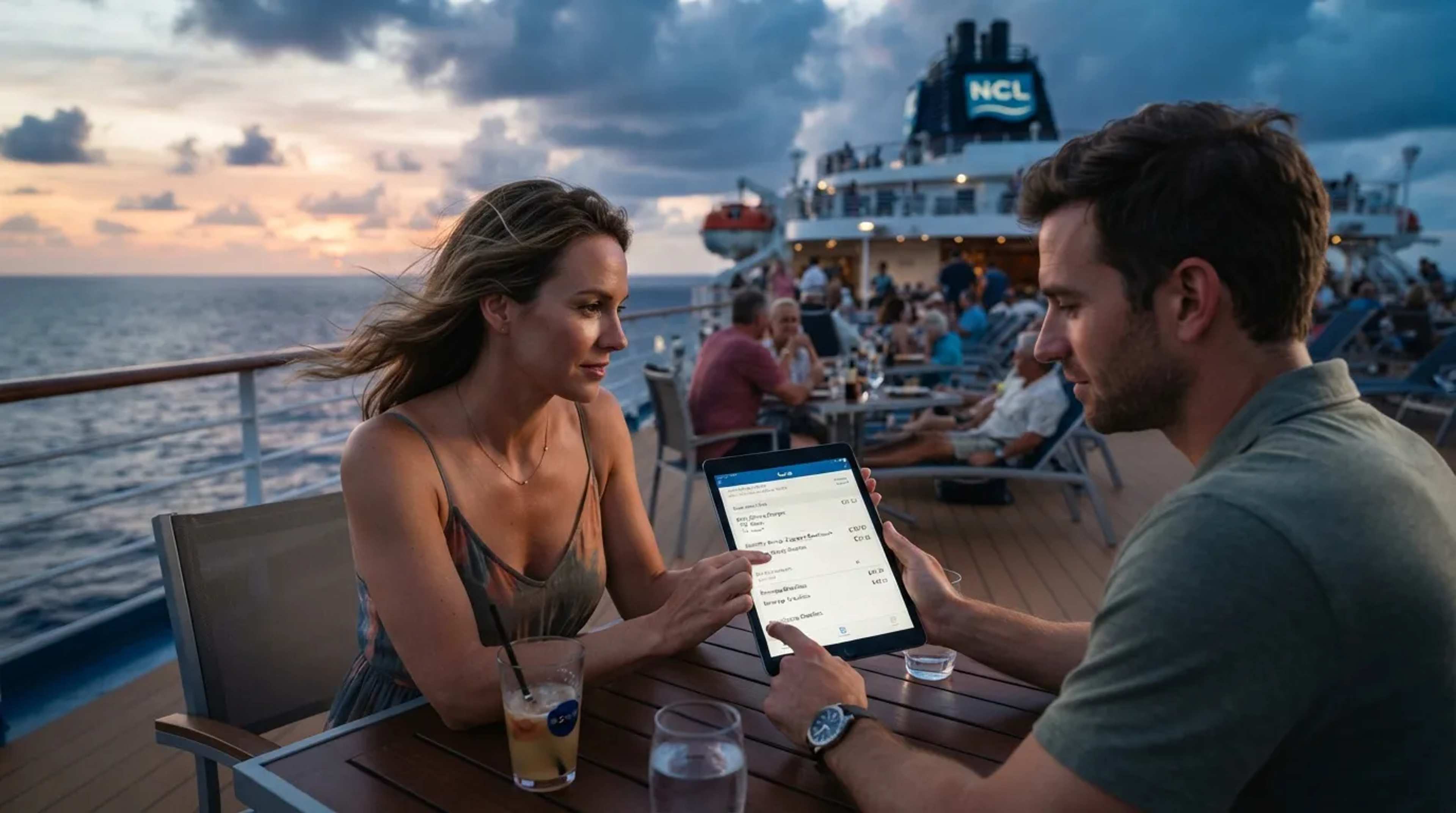
There’s a certain confidence that comes with a stack of cruise cards in a drawer somewhere back home. Repeat cruisers know the drill, or at least they think they do, and that familiarity shapes how they move through embarkation day, the pool deck, and everything in between. Cruise directors see this pattern on nearly every sailing, and while they rarely say it out loud over the PA system, there are a handful of things they wish veteran guests would think about a little more carefully.
1. Loyalty status doesn’t carry the weight it used to

Elite tiers used to feel rare, almost like a private club within the ship. That has changed noticeably over the past couple of years, and it shows up in how crowded the “exclusive” spaces have become. Loyalty status feels like a badge of honor, but the value behind that badge has been quietly shifting, with the threshold to reach the top tier, the real-world value of the benefits, and how many fellow passengers hold the same status on any given sailing all changing at once, so mid-tier perks on some ships feel far less exclusive than they used to.[1]
Part of this is simple math. The industry keeps attracting new cruisers, with roughly a third of cruises in recent years being first timers, and the vast majority of people who cruise once choosing to cruise again, which means more people are joining loyalty programs every year and reaching top tier status than ever before.[2] Cruise directors understand the frustration when a returning guest expects a quiet lounge and instead finds a line out the door, but it isn’t a service failure on the ship’s part so much as a program that has simply grown faster than its own perks were designed to handle.
2. Sister ships are not interchangeable
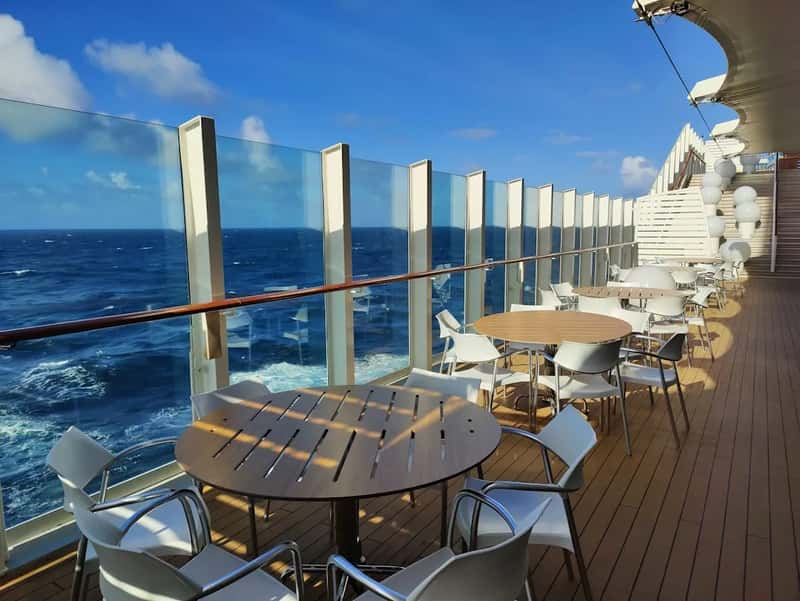
Passengers who have sailed with the same line a dozen times sometimes assume every ship in the fleet is basically a copy of the last one. That assumption causes more confusion than almost anything else on embarkation morning. Sailing the same cruise line multiple times can trick passengers into thinking every ship in the fleet is basically identical, but it isn’t, since each ship is designed differently and it’s easy to miss great spots like quiet lounges, specialty coffee bars, or an observation deck.[1]
A specialty restaurant that sat on deck five for years might now be two decks higher on a newer build, and the layout logic that felt intuitive on one ship can be genuinely puzzling on another. Cruise directors would rather returning guests glance at a deck plan before boarding than wander confidently in the wrong direction. It saves everyone a bit of frustration, and it usually means a better first afternoon on board.
3. The muster drill still applies to everyone, no exceptions

Few things test a cruise director’s patience like a veteran passenger who treats the safety briefing as background noise. It happens constantly, and it isn’t a small annoyance, since the entire ship’s departure can hinge on full compliance. Few things frustrate a cruise director more than a returning passenger who skips or half-heartedly attends the safety briefing because they’ve seen it a hundred times, yet international maritime safety regulations require every passenger to complete a muster drill before the ship gets underway, and crew members check IDs at each station, so a missed drill can delay departure for the entire ship.[1]
Veteran cruisers often assume the process moves at a predictable, familiar pace, so they chat through instructions or arrive late expecting the drill to simply catch up around them. That assumption is exactly the behavior that slows everyone down, and cruise directors would rather returning guests set the example for first timers, since a few extra minutes of patience at the start of the cruise is a small price for a smoother process for the whole ship.[1] It is one of the rare moments where being new to cruising is actually an advantage, because first timers tend to pay closer attention.
4. Old habits like chair hogging do not age well
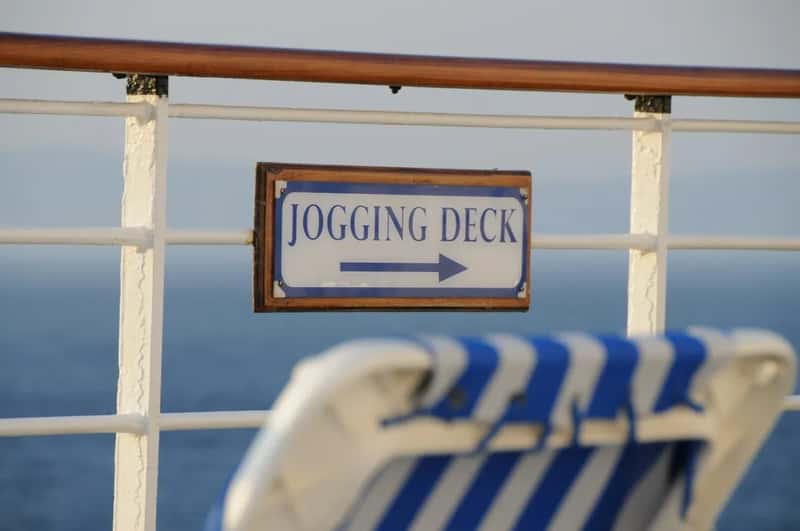
Certain behaviors become almost a rite of passage for frequent cruisers, and not in a flattering way. Staff notice patterns quickly, and some habits have earned a reputation across the industry rather than just one ship. A handful of veteran cruiser behaviors have become notorious among crew, and chair hogging tops the list, since reserving deck chairs that never actually get used creates a ripple effect across the pool deck, with families circling for shade while a chair sits untouched and staff forced to intervene repeatedly.[1]
The irony is that most returning passengers would never dream of doing this at a hotel pool back home. Something about the extended, repeated familiarity of a cruise seems to loosen that instinct, and cruise directors say it is almost always unintentional rather than deliberately selfish. Still, unintentional or not, the effect on other guests is the same, and it is one of the easiest habits to simply drop.
5. Loyalty perks now require a bit of active management
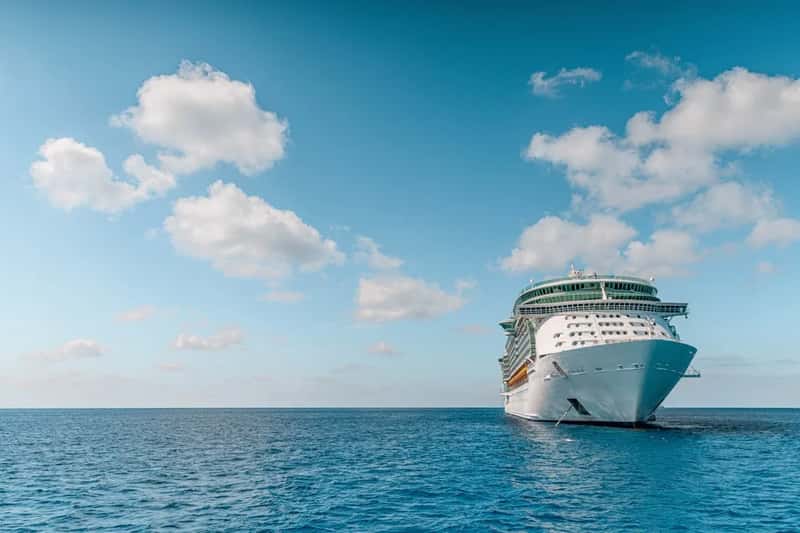
There was a time when loyalty benefits basically applied themselves. That is less true in 2026, particularly as programs go through structural overhauls. Carnival’s own guidance around its new rewards structure makes the point directly, noting that booking directly with the cruise line helps ensure full credit, linking all passengers in a booking helps maximize household earning, and using onboard purchases strategically can help guests hit higher reward thresholds, with cruise directors saying the guests who get the most value are the ones who check their loyalty dashboard before sailing rather than assuming everything syncs automatically.[1]
This shift is not limited to one line. The passengers extracting the most value from cruise loyalty right now are not necessarily the most faithful, but the most informed, the ones who understand which programs are currently in a generous phase, which benefits have been quietly degraded, and which status match windows represent a real opportunity.[3] Cruise directors genuinely wish more returning guests treated their loyalty account the way they treat a frequent flyer number, checked regularly rather than assumed correct.
6. Being recognized by name is a courtesy, not an entitlement
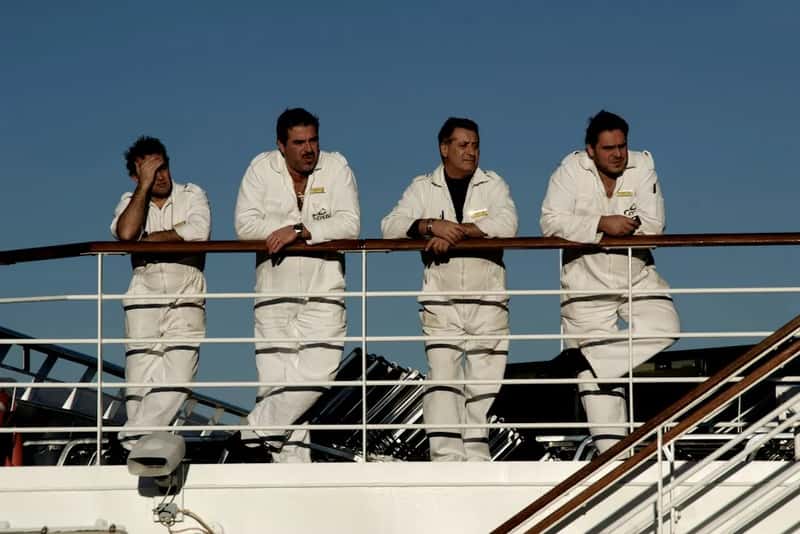
There is a real and pleasant moment when a crew member greets a returning guest by name within the first day or two aboard. It happens because someone actually did the work to make it happen, not by accident. Guests who have sailed the same line multiple times often get greeted by name early in the cruise because someone on the entertainment team has reviewed the passenger manifest ahead of time and flagged loyalty members and repeat names, and that kind of personal attention is a genuine perk of loyalty, not an accident.[1]
Where this occasionally goes wrong is when recognition gets mistaken for license. Being recognized isn’t a license to demand more or treat staff differently than a first time cruiser would, since crew members don’t set the prices and don’t sail the ship, aren’t paid particularly well, and work hard for every passenger while staying friendly, and cruise directors consistently say the guests who get the warmest treatment aren’t necessarily the ones with the most cruise days logged.[1] A little warmth back toward the crew tends to matter far more than tenure ever does.
7. Comparing today’s cruise to “the old days” is not always a fair fight

Returning passengers often measure the current sailing against a version of cruising from a decade ago, and that comparison can be misleading. Costs and inclusions have genuinely shifted across the board in recent years. Main dining portions have gotten smaller on some lines, and getting a second entree now costs extra, a fee that did not exist before last fall.[4] Automatic cruise gratuities have climbed from around fourteen dollars and fifty cents per person in 2022 to more than twenty dollars daily in 2026, with every major line raising fees over the past year and a half.[5]
Beverage and dining packages have followed a similar path. Princess increased the pre-cruise price of its Plus and Premier bundles for 2026 voyages, with Plus listed at sixty five dollars per person per day and Premier at one hundred dollars per person per day under updated terms.[6] Cruise directors are not in a position to reverse these industry wide changes, but they do wish returning guests understood that the crew feels the friction of these price shifts just as much as the passengers do, usually more.
The picture that emerges from all of this is fairly simple. Cruising more often does not automatically make someone an expert on every ship, every program, or every rule, and the crews who spend their careers on these vessels notice the gap between confidence and actual familiarity almost immediately. None of this diminishes the genuine value of loyalty, the comfort of a familiar brand, or the pleasure of being remembered by name. It just means the learning never really stops, no matter how many sailings sit on the record.