Front desk staff see the same small missteps play out again and again, long before a guest ever unpacks a suitcase. Some of these habits seem harmless in the moment, yet they quietly chip away at what could have been a smooth trip. We talked to travel writers who interviewed hotel employees directly, and the patterns they described are surprisingly consistent across properties and countries.
None of these mistakes are dramatic. They are the kind of small oversights that build up, one after another, until a guest is left wondering why their stay felt harder than it should have.
1. Booking through a third-party site and expecting full flexibility
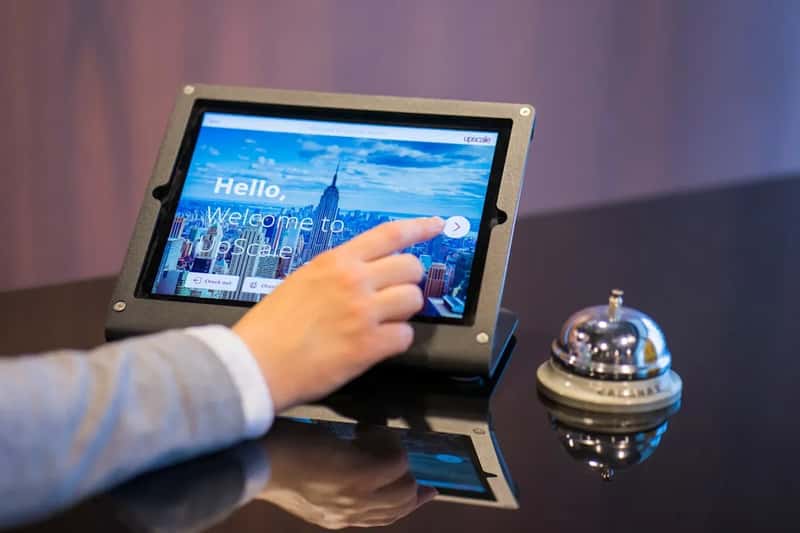
Saving a few dollars by booking through an online travel agency feels like a smart move, until something goes wrong. Booking through third-party travel websites can be enticing to save money, but there are a few downsides.[1] Hotel staff often have far less room to help when a reservation runs through a middleman rather than the property itself.
One director of rooms explained that booking through third parties takes away more than half of the actions staff can do to assist a guest, including refunding a canceled night, applying loyalty benefits, or waiving a third party’s own late fees.[1] Guests who book directly tend to get quicker fixes when plans change, simply because the hotel controls the reservation from start to finish.
2. Showing up at the desk without ID or a payment method ready

It sounds minor, but fumbling through a bag for a passport or credit card while a line forms behind you sets a rough tone for the whole stay. This mistake sounds almost too obvious, yet it happens constantly, with guests arriving at the front desk and then spending several minutes digging through bags, wallets, and jacket pockets looking for their passport or credit card.[2] That short delay affects more than just the guest causing it.
It holds up everyone behind them in line and creates friction right from the start.[2] Hotels require specific information at check-in, including the guest’s name and contact details for records, a card for prepayment or an incidentals hold, and valid identification to complete the process.[2] Having those items out before reaching the counter takes seconds and avoids an entirely preventable holdup.
3. Skipping the research on what the property actually offers

Many guests treat a hotel as little more than a bed and a shower, missing out on features they already paid for. One rooms division manager at a Washington state property put it plainly when describing what regularly gets overlooked. Pickleball courts and weekly meetups, game nights, specialty happy hours, self-guided historic tours, and free yoga on Saturdays are offerings guests may miss if they don’t research the property ahead of time.[1]
Spa treatments and other bookable amenities are a common casualty of this same habit. Guests are generally advised to reserve services like spa treatments before their stay rather than hoping for a same-day slot.[1] A five-minute look at the hotel’s website before arrival can be the difference between a forgettable stay and one that actually uses what the property has to offer.
4. Forgetting basic essentials and assuming the hotel can’t help

Packing mistakes happen to everyone, but some guests go without help for days simply because they never think to ask. Forgetting a toothbrush and toothpaste is a common enough slip, and at many hotels, guests don’t have to go through the night or day with smelly breath as a result.[1] Front desks routinely keep basic toiletries on hand for exactly this reason.
One front office manager in Amsterdam recalled a guest who never thought to ask. A guest checking out once mentioned he urgently needed to find a convenience store because he had forgotten his toothbrush and hadn’t brushed his teeth in four days.[1] A quick question at the desk on day one would have solved the problem before it became a multi-day inconvenience.
5. Staying quiet about schedule changes until the last minute

Plans shift, flights get delayed, and meetings run long, but staying silent about it rarely helps. If a guest needs to adjust check-in or check-out times, letting the hotel know before arrival makes a real difference.[3] Hotels are frequently able to accommodate these requests, but only when they have advance notice.
Hotels often have flexibility with these requests, especially if they’re aware in advance.[3] A guest who calls ahead about a late arrival or an early flight the next morning is far more likely to get a smooth adjustment than one who simply shows up hoping for the best.
6. Turning room appliances into makeshift kitchen equipment

Social media has made a certain kind of hotel-room hack look clever, but staff see the aftermath and it is rarely worth it. Cooking ramen in an in-room kettle or using a clothes iron to press a sandwich might get views online, yet it tends to end badly for the room and the guest’s bill. Luxury travel consultants have explicitly warned against following social media trends that involve cooking ramen in a hotel kettle or using an iron to toast a sandwich, noting that guests risk damaging hotel property.[4]
These appliances are built for their intended purpose only, and using them otherwise can trip smoke detectors, damage electrical components, or leave residue that housekeeping cannot fully remove. The cost of a snack from room service or the lobby shop is almost always smaller than a damage fee tacked onto a final bill. It is one of those trends that looks harmless in a short video and considerably less harmless in person.
7. Waiting until checkout, or a public review, to raise a problem

A surprising number of guests sit on a complaint for the entire stay and only mention it once they are already leaving, or worse, only in an online review afterward. By that point, staff have lost the chance to actually fix anything. When a guest raises a service complaint in the moment, staff can apologize sincerely and be specific about what they will do next, and escalate to a duty manager or general manager if the front desk agent can’t resolve it.[5]
Noise, a broken air conditioner, or a housekeeping miss are all far easier to correct while the guest is still in the building. For in-hotel noise specifically, staff are often able to act quickly by moving a guest to a quieter room or a higher floor.[5] Speaking up early, calmly and directly to the desk, gives a hotel the chance to turn a bad moment into a fixed one, rather than a story that only gets told after checkout.