
There’s a particular kind of calm you notice in certain travelers moving through an airport. No frantic pocket-patting, no last-minute sprint, no visible panic when a gate changes. That composure usually isn’t luck. It’s the result of years of trial and error, and a short list of habits that these travelers have simply stopped doing, no matter how convenient they might seem in the moment.
1. Booking connections that leave no room for error
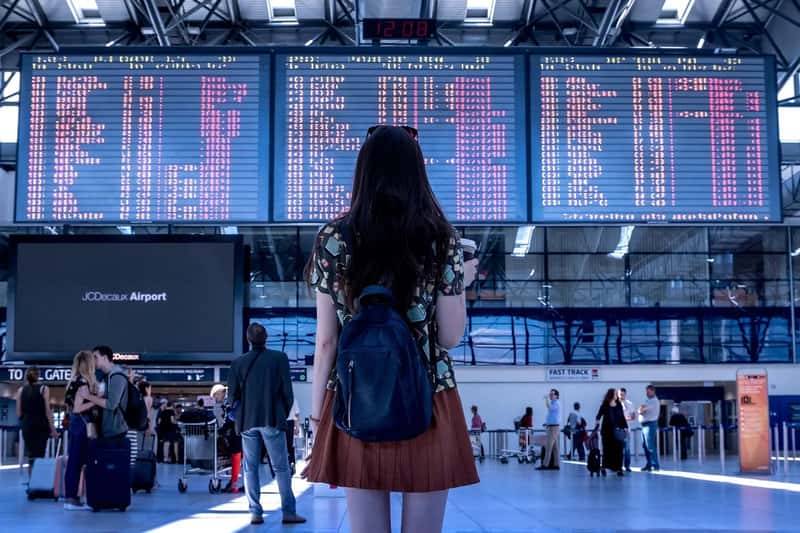
A short layover looks efficient on a booking site, but seasoned flyers know it’s often a trap. Short layovers look convenient on paper, but in reality, any delay means you’re already at risk of missing your next flight.[1] A single weather delay, a slow jet bridge, or a gate on the opposite end of the terminal can turn a forty-five-minute connection into a missed flight entirely.
Experienced travelers who’ve lived through the fallout tend to build in real buffer time rather than shaving minutes off their itinerary. Missing flights or travel connections are among the top pain points weighing on travelers, and experienced flyers build in buffer time, always.[2] It’s not about being overly cautious. It’s about not gambling an entire trip on everything going perfectly.
2. Trusting a checked bag with everything they need

Handing over a suitcase at the counter and walking away with nothing but a phone and a passport feels freeing, until that bag doesn’t show up. Seasoned travelers never let their only outfit sit in a checked bag, and instead keep a full change of clothes, plus any toiletries they truly can’t live without, inside their carry-on every single flight, because checked bags still miss connections or end up on the wrong plane.[3] That single habit changes the entire tone of a delay.
The math backs up the caution. Over the first three months of 2022, 6.5 out of every 1,000 checked bags on U.S. airlines were “mishandled,” according to the U.S. Department of Transportation, up 12 percent from 2019.[4] A lost or delayed bag stops being a crisis when there’s a spare outfit and essentials already within reach, and it becomes little more than an errand once the traveler lands somewhere with a change of clothes already on hand.
3. Skipping travel insurance to save a few dollars

It’s an easy corner to cut, especially on a shorter or cheaper trip, but frequent flyers have generally learned the hard way that this particular shortcut rarely pays off. Skipping travel insurance because “they don’t check it at the border” is one of the most common mistakes, since medical costs can easily wipe out any savings from going without coverage.[1] A single hospital visit abroad, a cancelled connection, or a lost bag can cost far more than the policy ever would have.
Seasoned travelers tend to treat insurance less like an optional add-on and more like a basic safety net. Insurance functions like a seatbelt, and if something important was left out or filled in incorrectly, safety is seriously at risk.[1] With airfares and fees climbing in 2026, protecting the total cost of a trip has become less about worry and more about basic math.
4. Plugging their phone into public charging ports

Airport charging stations are everywhere, and they’re tempting when a battery is running low before a long flight. Still, plenty of experienced travelers walk right past them. Experienced travelers avoid leaving their phone at public charging stations and instead bring a portable power bank of their own.[5]
The reasoning has less to do with paranoia and more to do with control over their own devices. It’s less about convenience and more about control, since they’d rather manage their own battery than plug into hardware they can’t verify.[5] A fully charged power bank, checked before every trip the same way a passport gets checked, removes the need to rely on a public port at all.
5. Cutting arrival time too close and ignoring ID requirements
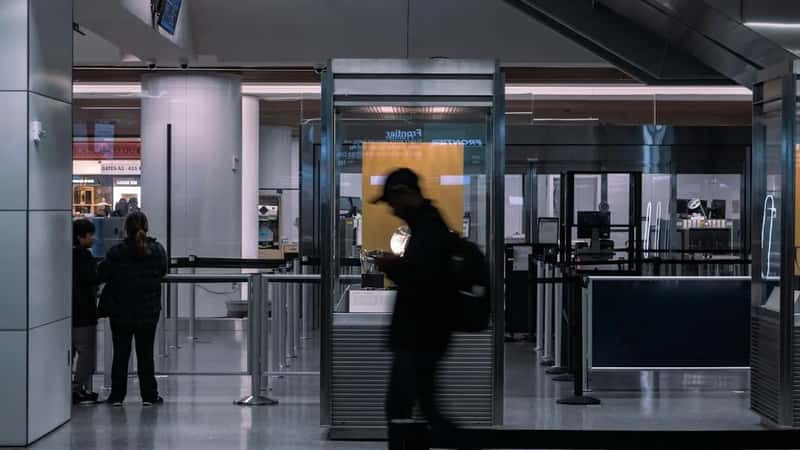
Arriving at the airport with barely enough time to make a flight is one of the oldest travel mistakes, and it hasn’t gone away in 2026. The classic advice still holds up in 2026, even if it feels outdated to some travelers.[6] Security lines, gate changes, and long walks between terminals all eat into a schedule that looked fine on paper the night before.
There’s also a newer wrinkle that catches out travelers who haven’t kept up with the rules. REAL ID is now required for all adult travelers on domestic flights, and this travel law started on May 7, 2025.[7] Someone who shows up with a standard, non-compliant state ID and no passport is likely to face a slow, frustrating detour through secondary checks, which is exactly the kind of delay a seasoned traveler works hard to avoid in the first place.
None of these habits are complicated or expensive to adopt. They’re just easy to overlook until a missed connection, a lost bag, or a stalled security line makes the lesson stick. The travelers who’ve been through it once tend not to need a second reminder.