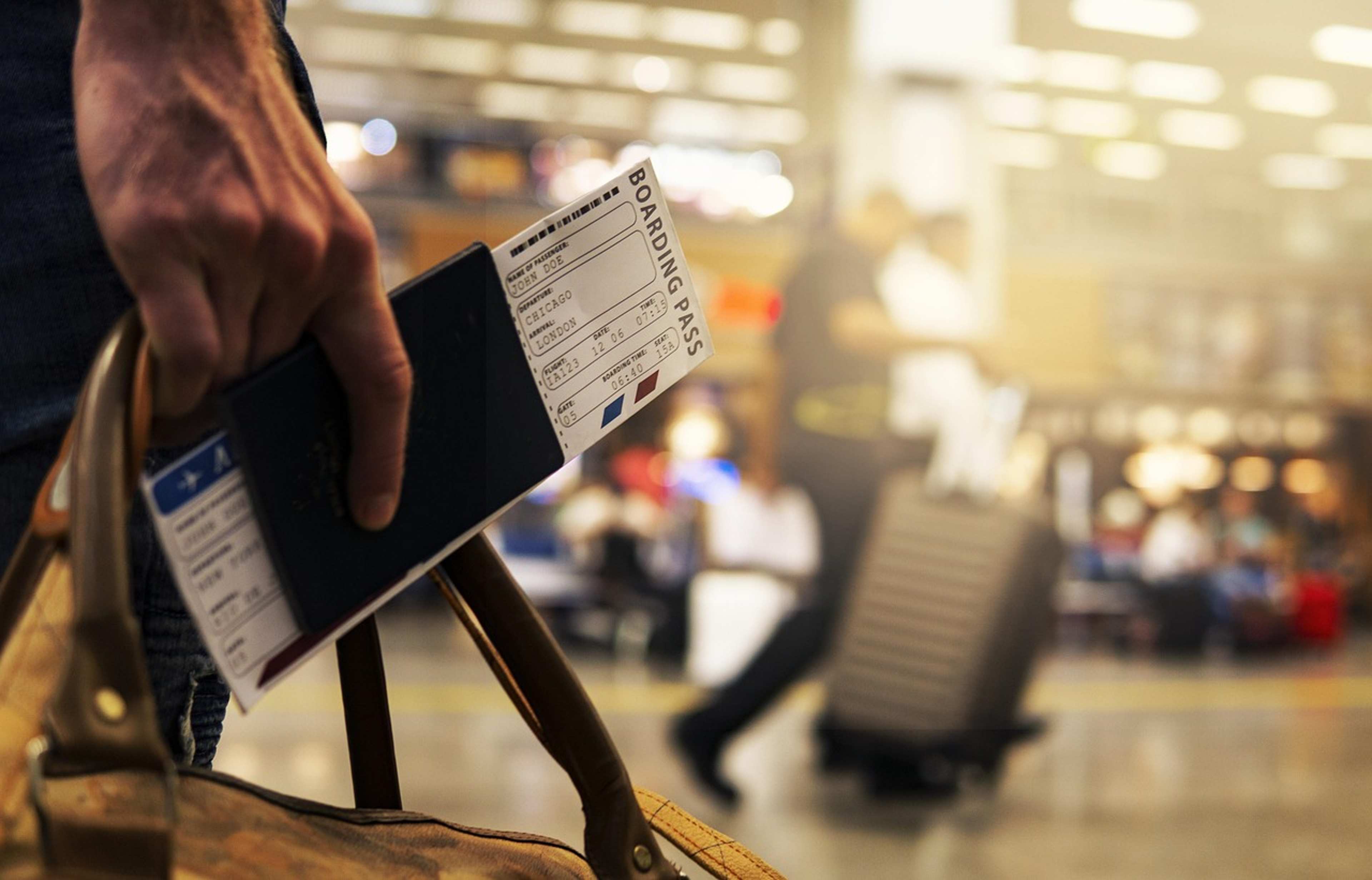
Most nervous flyers think they’re hiding it well. They keep a neutral face, put the headphones on, and stow the carry-on like it’s any other day. Meanwhile, the crew member standing at the door has often already noticed.
Flight anxiety is far from rare. A March 2026 TPG and YouGov survey found that 74% of U.S. air travelers admit to at least some nerves, and 46% say they’re somewhat or very nervous.[1] Cabin crews see these passengers every day, and they’ve learned which small behaviors give the game away.
Gripping the Armrest Before Pushback

The armrest grip may be the oldest giveaway there is. A passenger who seems tense or grips the armrest may be nervous, and crew members take note.[2] The white knuckles usually show up well before the plane even leaves the gate.
Crews don’t treat this as something to judge. Recognizing a nervous flyer lets the crew offer a kind word, a check in, or some extra attention.[2] For a first timer, that small acknowledgment can change the whole mood of the flight.
Fiddling With the Phone, Bag Strap, or Seatbelt
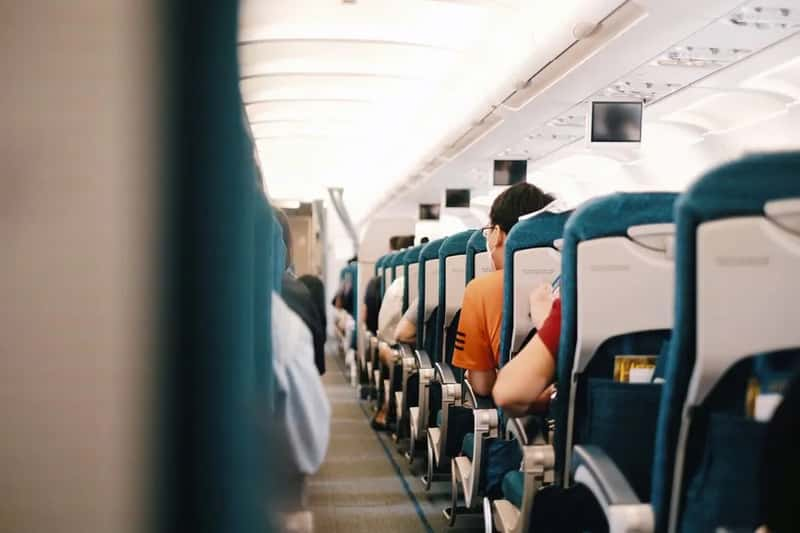
Restless hands get noticed. Flight attendants look for signs of being on edge, such as fiddling, trembling, or excessive sweating.[3] Picking up and putting down a phone, tugging at a bag strap, or clicking a seatbelt over and over all fit the pattern.
On its own, fidgeting doesn’t mean much. Plenty of people are simply bored or tired. Still, combined with other signs, it helps the crew decide who might need a quick check in later.
Buckling Up Instantly, Then Standing Again

This one is a classic for newcomers. New flyers often buckle in as soon as they sit, then have to unbuckle and stand when the window or middle seat passenger arrives.[4] It’s a harmless mistake, and it tells the crew a lot about experience level.
The urge to follow every rule right away is usually driven by nerves. First time flyers may not realize how important the seatbelt is, and they should also make sure they can open it in an emergency.[4] A quick friendly reminder from the crew tends to settle things down.
Hesitating at the Door or Avoiding Eye Contact

The first impression happens at the aircraft door. Hesitating there or gripping a bag tightly signals that someone may need reassurance, and attendants often start a short, calming conversation on the spot.[4] A simple greeting becomes a quiet check on how the passenger is doing.
Eye contact matters too. Nervous flyers may look jittery or distracted, avoid eye contact, and sound strained when they answer a greeting.[5] Telling the crew about your nerves helps, since a crew member who knows why you look tense is less likely to misread it.[5]
Watching the Safety Demo With Unusual Intensity

Most regular travelers scroll through their phones during the safety briefing. A nervous first timer often does the opposite. Passengers who watch the safety procedures with unusual intensity may be nervous, and crews notice.[2]
That focus isn’t a bad thing, and the demo exists for a reason. It can simply stand out in a cabin where nearly everyone else is tuned out. Crews often use it as a cue to offer a friendly word before takeoff.
Sweating and Trembling in a Comfortable Cabin

The body is harder to control than the face. Excessive sweating is one of the classic signs attendants watch for, along with trembling.[1] Damp hands and a flushed face stand out when everyone around is settling in.
Crews are prepared for this. Flight attendants receive psychological first aid training, so they’re ready to respond to signs of distress and offer emotional support.[3] Often, a glass of water and a calm voice are enough.
Looking Around for Reassurance at Every Sound

Planes make unfamiliar noises, and a first time flyer notices every one. Nervous passengers may show it in their expression, in how they grip the armrest, or in how often they look around for reassurance.[6] A glance at the nearest flight attendant after every bump or hum is a common tell.
Crews generally respond with patience. They’ll often explain unusual sounds during takeoff or check in a few extra times during the flight.[7] The reassurance has solid backing too: in 2024, 5 billion passengers flew on more than 40 million flights worldwide, and the global accident rate stayed below one per million flights.[8]
Rapid Breathing, Dizziness, or Nausea

This is the sign crews take most seriously. Some passengers may show dizziness, nausea, or difficulty breathing.[3] Fast, shallow breathing soon after boarding or takeoff often points to rising anxiety.
Because panic attack symptoms can look like more serious medical problems, attendants pay close attention. They may be able to move a nervous passenger to a seat with less turbulence, usually in the center of the aircraft over the wings.[4] If space allows, they might also seat the passenger near their jumpseat during takeoff or landing.[4]