Getting bumped to a roomier seat or a quieter row is not just a matter of luck. Crew members who work these cabins every day tend to notice patterns in who ends up moving forward and who stays put. A handful of small, consistent habits keep showing up in their accounts of who gets picked when an upgrade or a better row becomes available.
1. Check in the moment online check-in opens
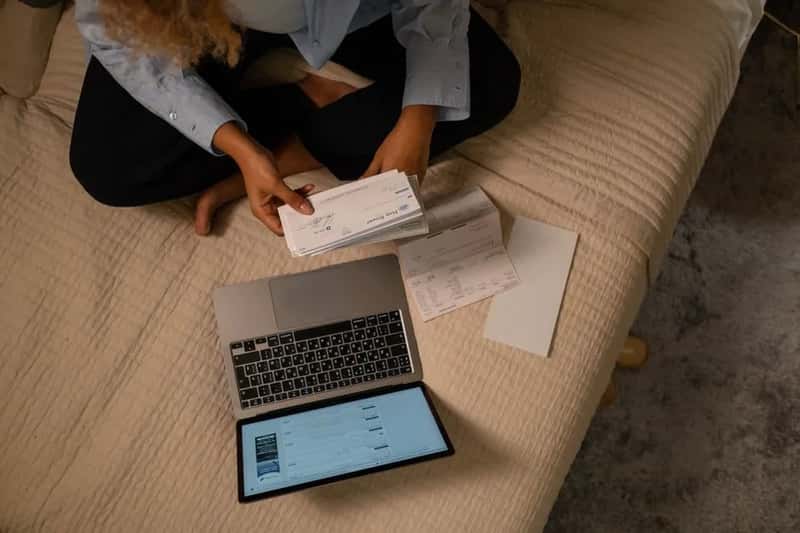
Timing matters more than most travelers realize. Checking into a flight as soon as possible matters because many airlines offer discounted upgrades when online check-in opens, with these opportunities often shared via email.[1] Waiting even a few hours can mean missing a seat release window entirely.
Some airlines release premium seats during online check-in, usually 24 hours before departure, and being one of the first to check in can mean snagging a better seat before someone else does.[2] It also puts your name closer to the top of any list the gate staff might work through later. Crew members have noticed that early check-in behavior signals a traveler who is paying attention to how seat inventory actually moves.
2. Be genuinely kind to gate agents and cabin crew
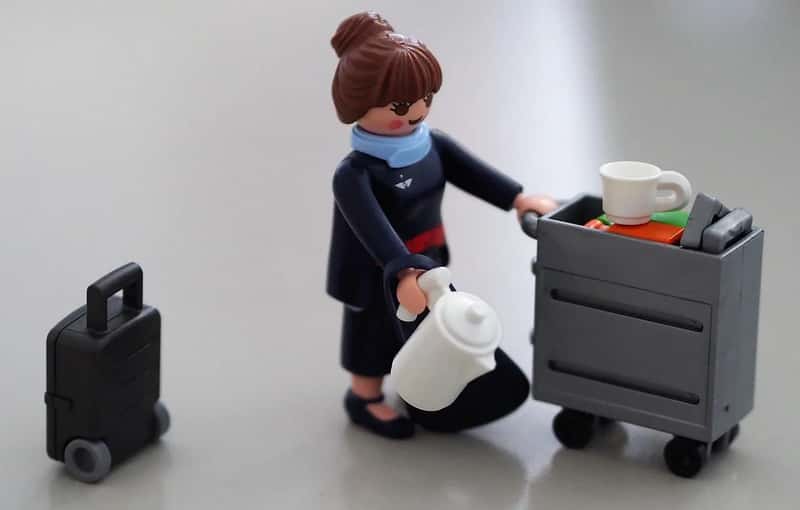
Politeness sounds obvious, yet it comes up constantly in conversations with flight attendants about who gets extra consideration. One flight attendant and content creator said one of the easiest ways to get free upgrades is to literally just be nice to the gate agent and flight attendant.[3] Small gestures apparently go further than most passengers expect.
She described the difference a small gift like coffee or chocolate can make during long days with back-to-back flights and little time to eat.[3] Beyond gifts, simple respect and patience during boarding tend to leave a lasting impression. Crew members remember who made their shift easier, and that goodwill occasionally translates into a favor when an open seat needs filling.
3. Travel solo, and pick quieter flight times
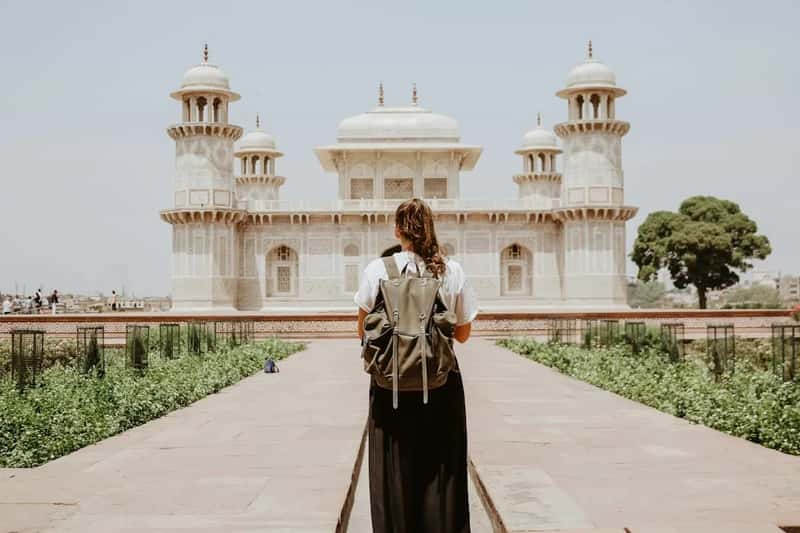
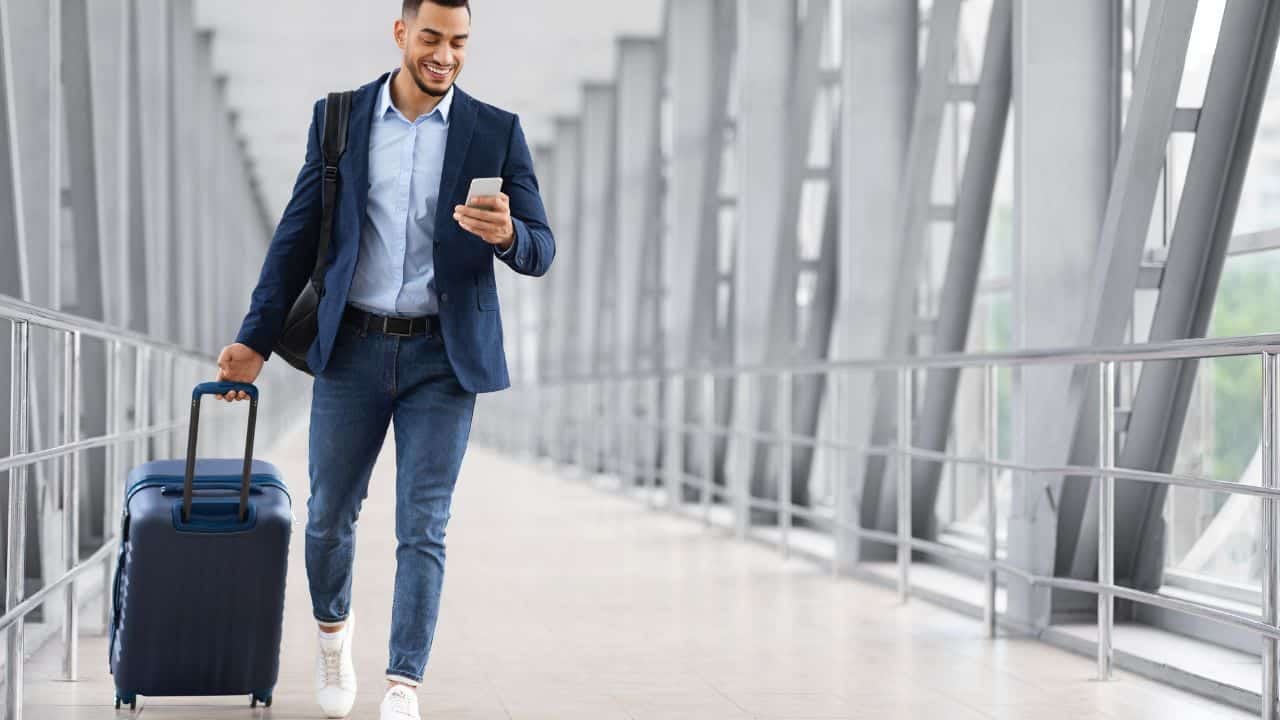
Traveling alone changes the math for gate agents trying to fill premium cabins. It is much easier for airlines to find one available premium seat than multiple seats together, so solo travelers can sometimes have a better chance of being selected for an upgrade.[1] Groups and couples are harder to relocate as a unit.
The day and time of the flight matter just as much. Travelers who fly midweek or during quieter travel periods have a better chance of securing an upgrade, since less crowded flights often mean more premium seats are available than during peak travel times.[1] A Tuesday afternoon departure in the off season simply gives the crew more room to work with than a packed Friday evening flight.
4. Dress like a frequent, low-maintenance traveler
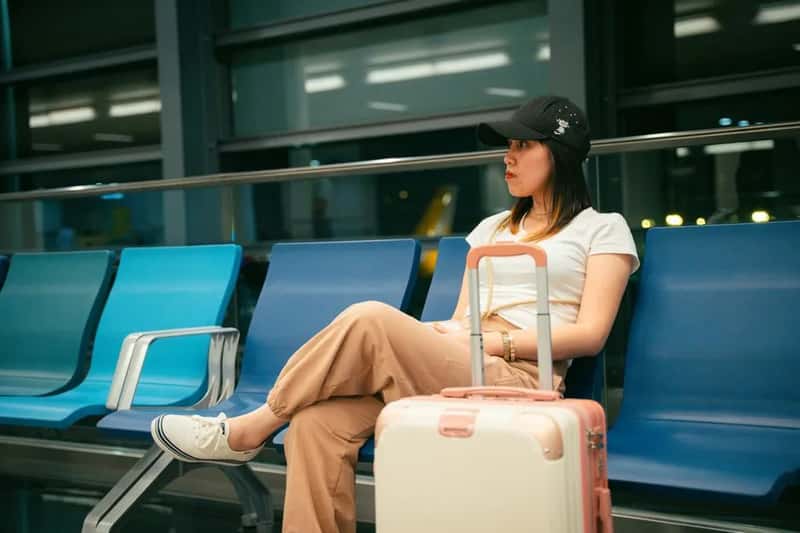
Appearance still plays a quiet role in how passengers get sorted when space opens up. One flight attendant told Travel and Leisure that it is far better to look smart but understated.[4] The idea is not to look flashy, but to look like someone who travels often and knows how to behave in a premium cabin.
This does not mean dressing up in a suit for a two hour flight. It means avoiding anything that reads as sloppy or unprepared, since crew members are quietly assessing who will fit comfortably into a nicer section of the plane. A clean, simple, put together look tends to work in a traveler’s favor without saying a word.
5. Join the airline’s loyalty program before you even fly
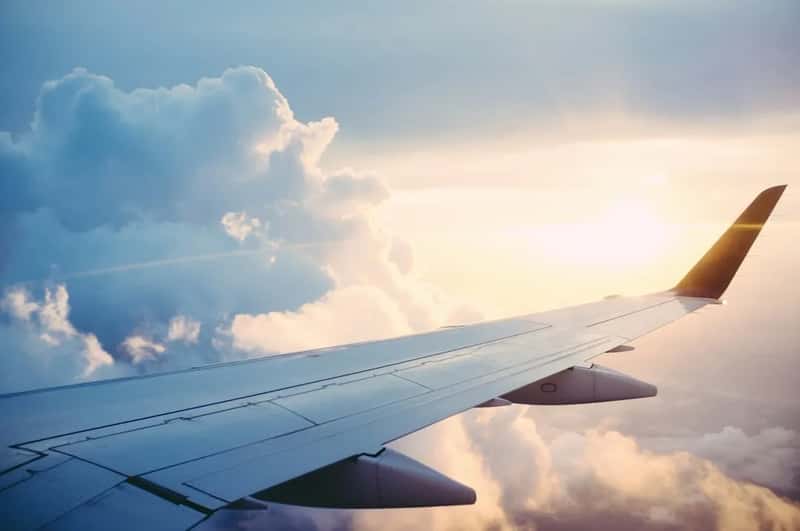
Signing up costs nothing, yet it changes how a passenger appears in the airline’s system. Even at the lowest tier, enrolling in an airline’s frequent flyer program gives visibility in their system, letting agents see the profile and prioritize that traveler above random walk-ins, while also unlocking occasional promotions where economy ticket holders are upgraded to fill space.[2] Being in the database is often the first step toward being considered at all.
Loyalty programs are free, and just being in the database puts a traveler on the upgrade radar.[2] It is a low effort habit that costs nothing but a few minutes of setup, and it can matter more than travelers expect when an airline is deciding who fills an empty premium seat.
6. Ask at the right moment, not the wrong one
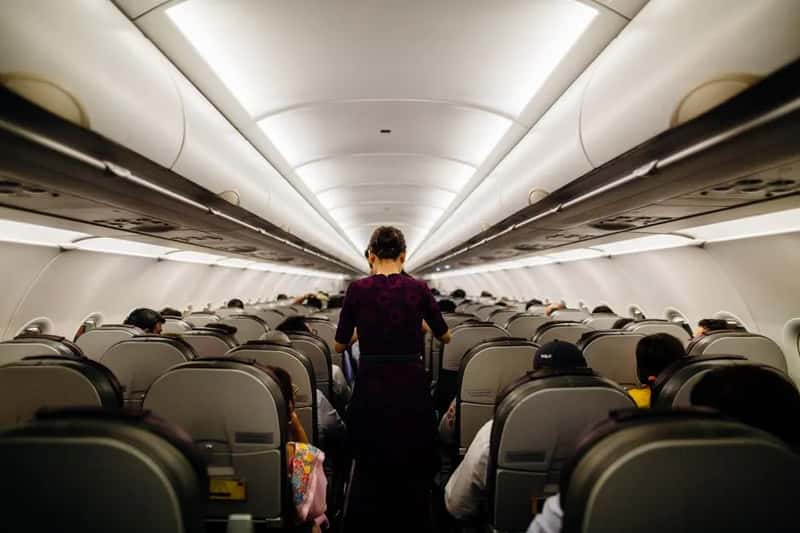
When and how a passenger asks for a seat change matters just as much as asking at all. Flight attendants are there to help in any way they can, but timing matters when it comes to requests like changing seats, and crew members suggest waiting until after takeoff rather than asking during boarding when the crew is trying to get everyone settled.[5] Asking at the wrong moment can work against a traveler even with a reasonable request.
Once the plane is in the air, flight attendants are generally happy to help passengers move within their ticketed cabin as long as it does not disrupt the flow of the flight.[5] A calm, specific request after the seatbelt sign turns off tends to land far better than a rushed one at the door. Patience during the busiest ten minutes of any flight often pays off once things settle down.
These habits will not guarantee a seat in row one every time, since availability always depends on how full a flight is and what the airline’s own policies allow. What they do offer is a slightly better set of odds, built on small, repeatable choices rather than any single trick. Consistency, more than luck, seems to be what actually moves the needle over the course of a few flights.