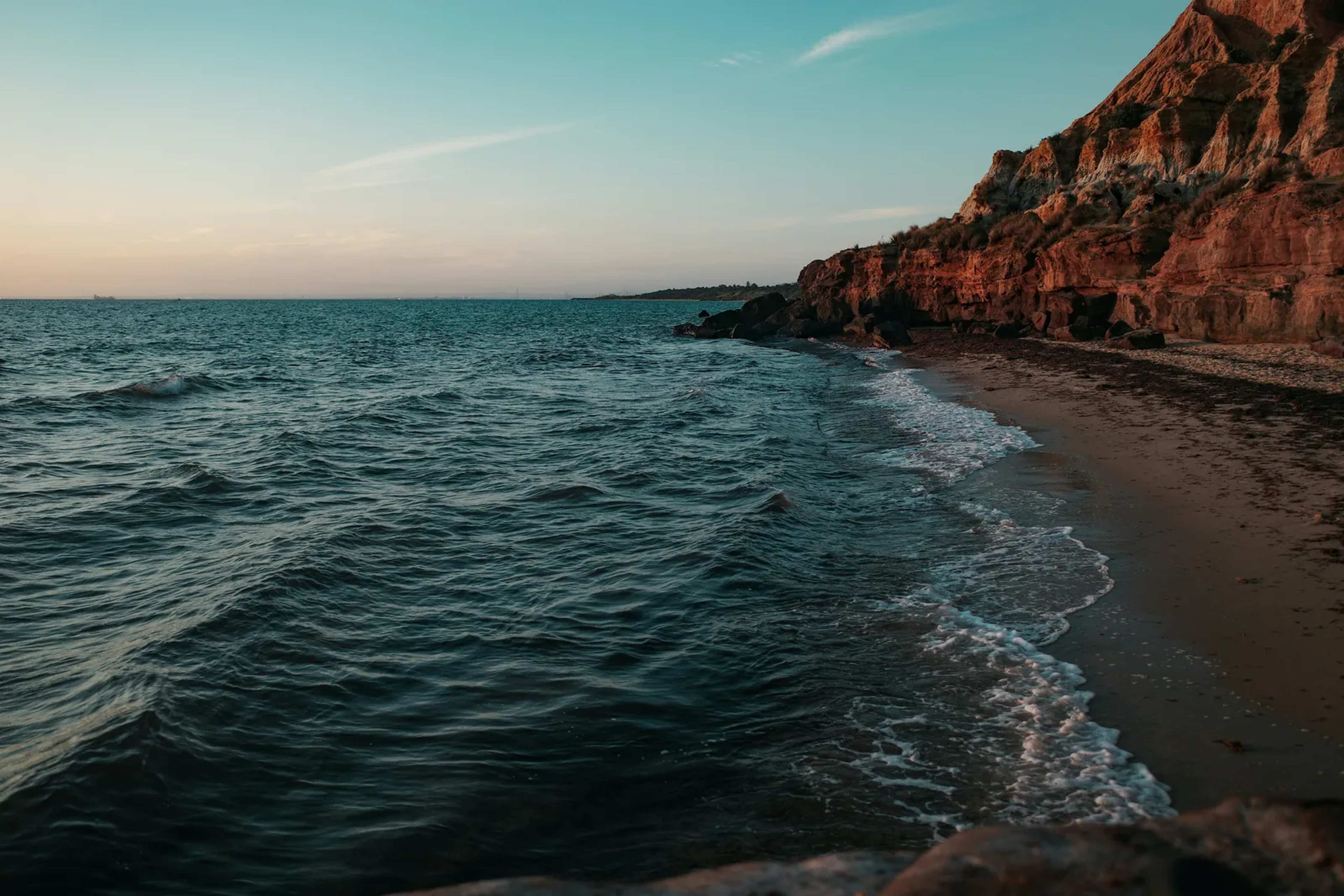
Hawaii draws millions of visitors each year with images of pristine beaches and clear waters. Yet in the remote Northwestern Hawaiian Islands, ocean currents carry plastic waste from distant shores into protected habitats. The Papahānaumokuākea Marine National Monument now serves as a frontline site for marine debris removal efforts. ([1])
Plastic Accumulates in a Protected Sanctuary
The Northwestern Hawaiian Islands sit hundreds of miles from the main tourist centers. Strong currents funnel floating debris into these waters, where it settles along shorelines and reefs. The monument covers vast areas that remain largely untouched by development, yet plastic items and abandoned fishing gear still reach the region in significant volumes.
Researchers describe the accumulation as steady and persistent. Derelict nets and fragments entangle coral structures and litter beaches that would otherwise remain free of human waste. The scale requires repeated expeditions because new material arrives with each season’s ocean patterns.
Endangered Species Face Direct Harm
Hawaiian monk seals, green sea turtles, and various seabirds inhabit these islands and surrounding waters. Plastic debris can trap animals, restrict movement, or introduce toxins when ingested. Coral reefs also suffer physical damage from nets that drag across colonies during storms or strong currents.
These species already contend with limited populations and other pressures. Additional entanglement adds stress to recovery efforts managed under federal protections. The monument’s status highlights the tension between global waste flows and local conservation priorities.
Divers Conduct Demanding Removal Work
Teams from the Papahānaumokuākea Marine Debris Project travel to the islands for extended operations. Divers must navigate remote conditions and perform careful extractions to avoid further harm to wildlife or habitats. Training includes breath-holding techniques that allow work in tight spaces without disturbing sensitive areas.
Each expedition removes tons of material, yet the work continues year after year. Successes include cleared beaches and freed animals, while challenges involve logistics, weather windows, and the constant arrival of new debris. The project maintains partnerships with federal agencies to sustain these operations.
Practical Stakes for Hawaii’s Future
Marine debris management affects both ecological health and the long-term appeal of Hawaii’s marine environments. Visitors often encounter the main islands, but the condition of remote protected areas influences broader perceptions of ocean stewardship. Effective cleanup requires ongoing funding and coordination across agencies and organizations.
Stakeholders include wildlife managers, local communities, and tourism interests that benefit from healthy reefs and beaches. Policy decisions on waste reduction at the source could ease pressure on these distant sites over time.
What matters now
- Continued expeditions remain essential to limit entanglement incidents.
- Global reductions in plastic production and disposal would reduce debris reaching the monument.
- Public awareness of how everyday waste travels can support wider conservation support.
Efforts in the Northwestern Hawaiian Islands illustrate the reach of plastic pollution and the sustained response required to protect isolated ecosystems. The work continues as a practical demonstration of balancing human activity with habitat preservation.