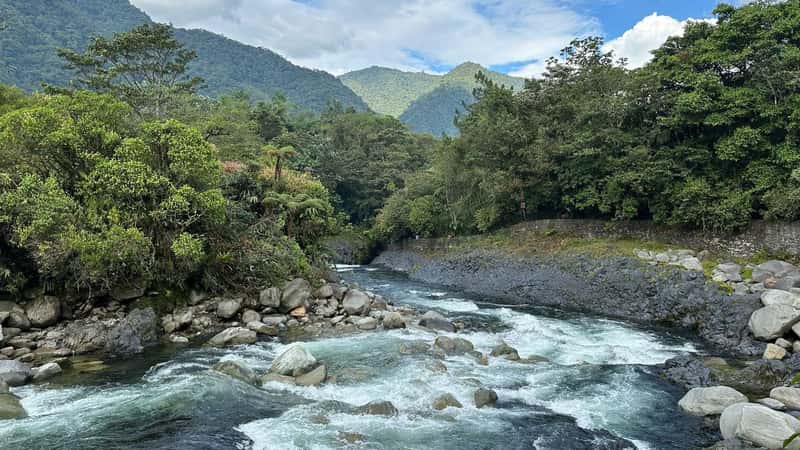
In Ecuador, an Indigenous community goes thirsty despite its two rivers – Image for illustrative purposes only (Image credits: Unsplash)
Ecuador – The Capirona community sits in the Ecuadorian Amazon between two rivers that once supplied its drinking water. Today residents cannot safely use that water. Fungal infections have spread among children and adults, and two deaths have been linked by locals to stomach ailments they trace to the polluted streams.
The Daily Reality of Contaminated Rivers
Community members describe skin conditions that resist treatment and persistent digestive problems. Galo Villamil, a local leader, has spoken publicly about the pattern. He noted that hospital staff suggested the water as a possible cause in several cases.
The rivers that border the settlement carry visible signs of pollution. Residents once fished and bathed in them without concern. Mining contamination upstream has altered the water quality, leaving the community with no reliable local source for drinking or cooking.
Deaths That Remain Unexplained
In 2023, 22-year-old Joana Ashanga and her two-year-old nephew Ville Ashanga died after suffering severe stomach pain. Their death certificates listed the cause as unknown. Community leaders maintain that river pollution played a direct role.
Official reports from the Ministry of Health did not connect the deaths to water quality. This omission fueled anger and distrust. Linda Tapuy, the community president, has addressed audiences in Quito about the lack of acknowledgment and the resulting sense of abandonment.
Seeking Recognition and Solutions
Residents continue to press for independent testing and accountability from mining operations. They have shared their story through national media, including a September 2024 broadcast that reached viewers across Ecuador. The goal remains access to safe water without leaving their ancestral lands.
Until the pollution is addressed, daily life requires hauling water from distant or treated sources. The contrast between the flowing rivers and the unusable supply underscores the health burden the community carries.