Walk into any hotel lobby bar and you probably think you’re just another guest ordering a nightcap. The person behind the counter sees it differently. Hotel bartenders work the same shifts night after night, watching thousands of travellers pass through, and that repetition turns into something close to a sixth sense.
According to travel and hospitality writers who’ve interviewed bar staff directly, experienced bartenders can often peg your nationality, your budget, and your tipping habits before you’ve said a single word, and that’s not a lucky guess, it’s pattern recognition built shift after shift[1]. Here are six specific things they tend to notice first, and why each one matters more than most travellers realise.
1. The Weight You’re Carrying When You Walk In
Long before you’ve ordered anything, your posture has already told a story. Bar staff who work hotel lounges regularly see guests arrive straight from the airport, and good bartenders notice the visible weight of a delayed connection or a long day of travel the second someone sits down, with the tell showing up in the shoulders[1]. It’s an unconscious signal, not something you can fake or hide with a smile.
This first read matters because it shapes how a bartender approaches the interaction. Someone who looks worn down from travel usually gets a gentler opening line and a little more patience, while someone who strolls in relaxed might get treated more like a regular from the start. Either way, your entrance sets the tone before a word is exchanged, and your entrance is the first tell, and bartenders clock it instantly[1].
2. How You Try to Get Their Attention
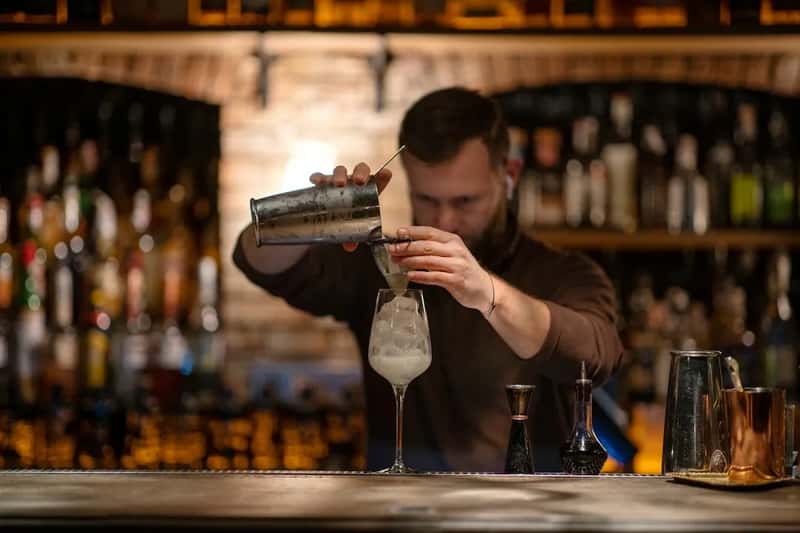
The way you signal for service says more about your travel experience than almost anything else. Staff report that snapping or waving is the number one behaviour that marks an inexperienced traveller, while the correct move of catching their eye and giving a small nod is something locals pick up fast, and tourists rarely do[1]. It sounds like a small detail, yet it’s one of the clearest tells bartenders mention.
What makes this signal so telling is that it tends to predict the rest of the interaction. Guests who interrupt other orders or click their fingers once usually keep doing it throughout the night, since guests who click their fingers or interrupt while someone else is being served tend to keep that behavior going all night[1]. A calmer approach at the start almost always leads to a smoother, friendlier exchange later on.
3. The First Words Out of Your Mouth
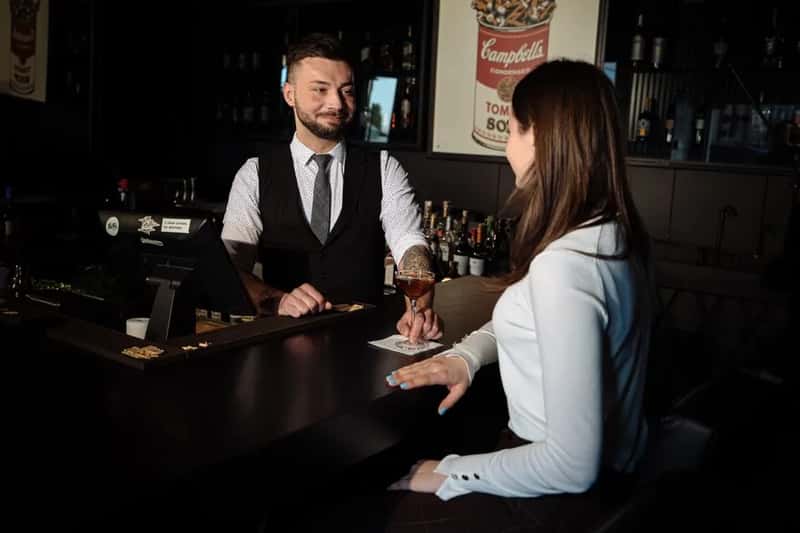
Bartenders say the opening line matters more than the drink order itself. One industry observation puts it bluntly: better service starts with empathy, yet ask someone how they’re doing and half the time the answer is just the drink name[1]. That gap between a greeting and a demand is one of the fastest ways bar staff sort guests into categories.
A simple hello changes the dynamic almost instantly. Reports from hotel bars note that a quick smile and a simple greeting sets a friendly tone without demanding anything, while skipping straight to the order means you’re quietly deprioritized[1]. It costs nothing to say hi first, yet hotel bartenders say tourists almost never open with a greeting[1], which makes the guests who do stand out immediately.
4. Whether You Understand Local Payment Habits

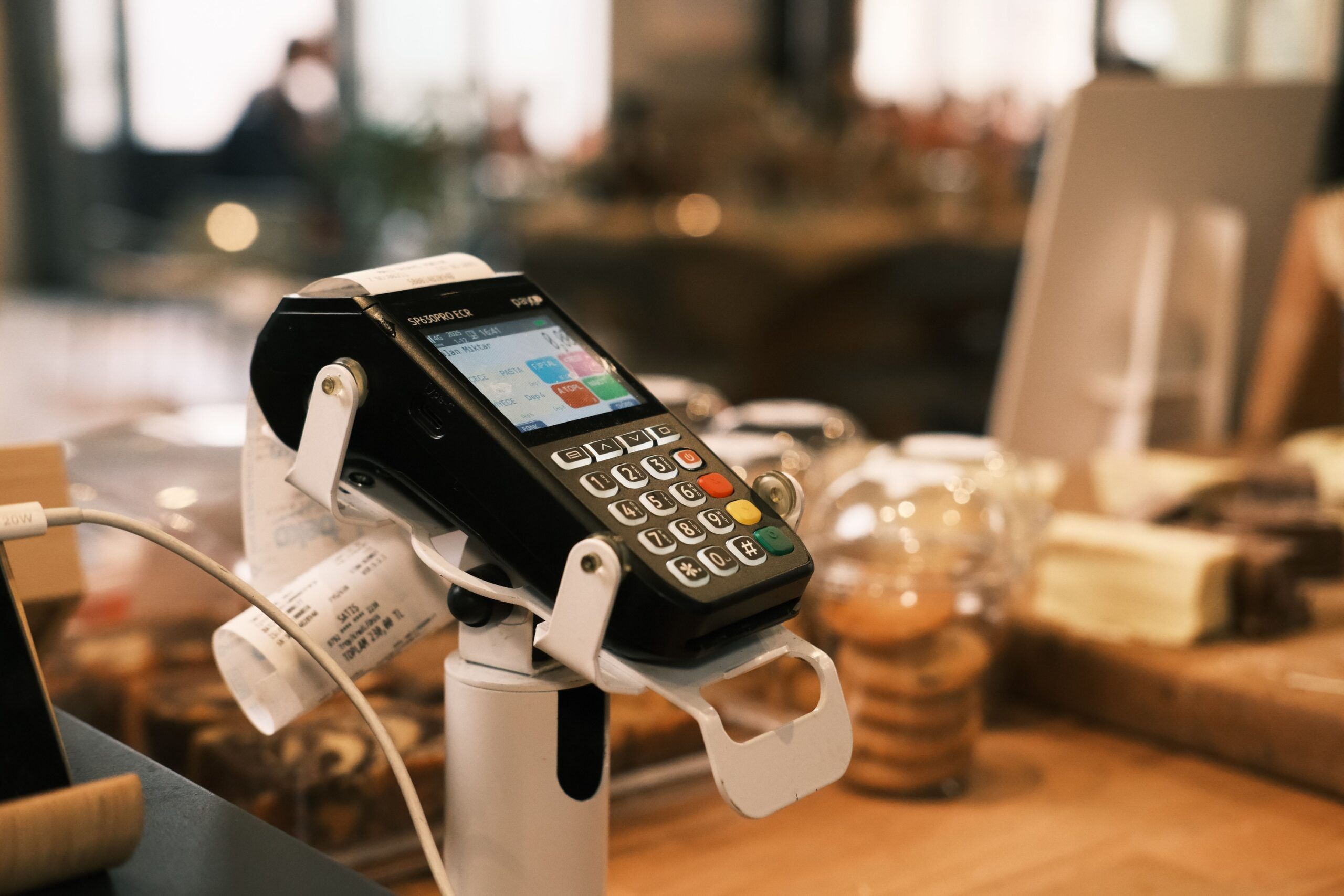
Money moments at the bar reveal more than most travellers expect. Staff consistently notice whether a guest opens a tab smoothly, whether they already know where their ID is, and whether they treat paying like a team effort, since payment norms vary wildly between countries and travellers fumble here more than almost anywhere else[2]. Something as simple as knowing whether to run a tab or pay per round instantly signals experience.
Group dynamics around the bill also get noticed fast. Bartenders say whether to pay per round or run a tab, whether card is even accepted, or whether cash gets handed over or left on the bar is second nature to a local, while guests who cover the whole table and sort splitting themselves are seen as generous and easy[2]. Understanding the local ritual, whether it’s a card machine, cash on the bar, or a running tab, reads as confidence rather than confusion.
5. Whether You Treat Staff Like People or Machines
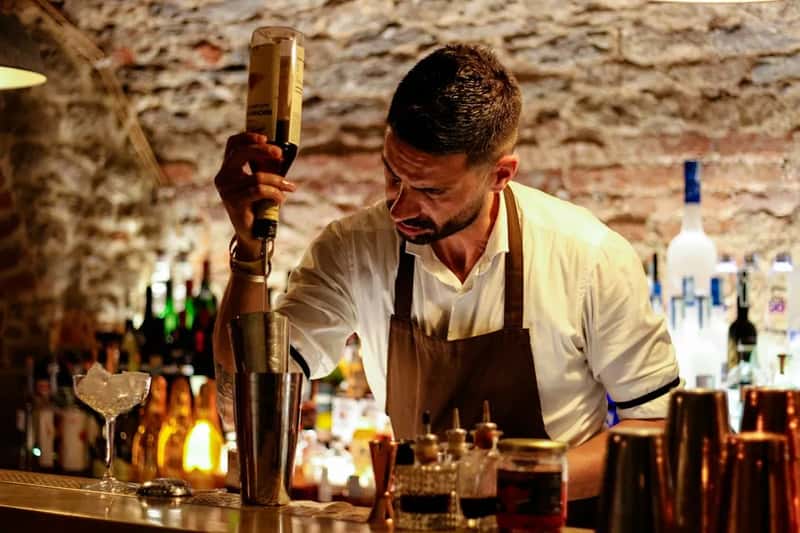
This is the tell bartenders remember longest. Staff describe the traveller who talks to bar staff like a vending machine as one of the most common sights in tourist-heavy bars and one of the most remembered, not fondly, since bartenders talk to each other and word travels fast, meaning being decent to the person pouring your drink is genuinely the only trick most people need[2]. It’s a low bar, yet a surprising number of guests fail to clear it.
The payoff for basic courtesy is real. According to reporting on hotel and tourist bars, eye contact, waiting your turn, and a genuine thank you generally buy better service, because bartenders in busy venues admit service quality is quietly calibrated to how respectful a guest is from the first interaction, and a good tip will never make up for a bad attitude, since respect gets noticed first and money second[3]. How you treat the person serving you, not how much you tip them, is the detail that sticks.
6. Whether You’re Actually Present
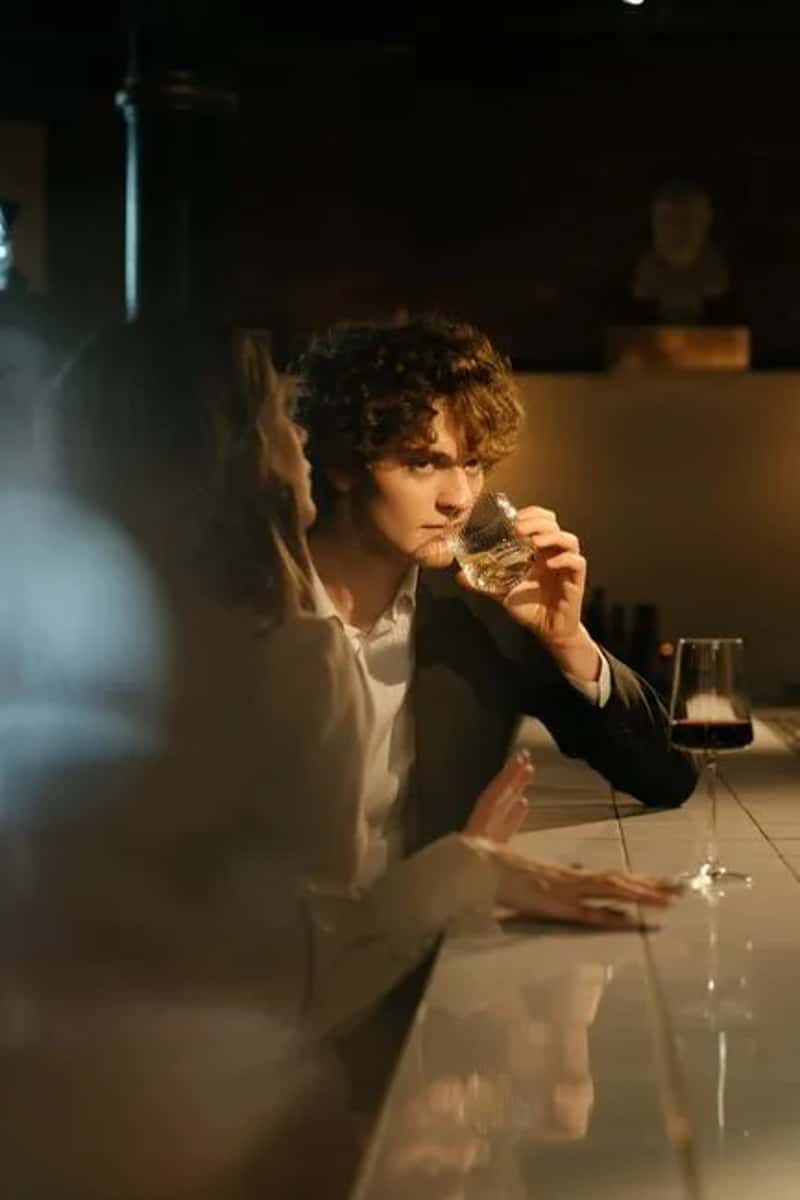
Bar staff also pick up on something less obvious than manners or money: attention itself. One breakdown of bartender observations describes the traveller who’s mentally already at the next destination as one of the easiest reads at any bar, with bar staff reading vocal tone and eye[3] contact to gauge whether a guest is truly engaged or just going through the motions. Distracted travellers, glued to phones or half-listening while checking messages, tend to get shorter, more transactional service in return.
This pattern fits neatly with how travel itself has changed. With bleisure trips now blending work and leisure more than ever, 83% of business travelers have taken a bleisure trip in the past year, and 89% want to extend their next business trip to include leisure time[4], meaning more guests are sitting at hotel bars still half-tethered to work. Bartenders notice the difference between someone unwinding and someone merely occupying a stool while their mind is elsewhere, and it shapes the warmth of the service that follows.
None of these six things require any special skill to get right. A little eye contact, a greeting before the order, some patience with local payment customs, and genuine attention to the person behind the bar go a long way toward a better night out. The travellers who understand this rarely think about it consciously, they just tend to get treated a little better wherever they go.